
After decades of relentlessly marketing their vibrant Mediterranean city, the authorities have appointed a man with a sustainable tourism message.
José Antonio Donaire is Barcelona’s first commissioner for sustainable tourism. His job is to say “enough.” And he is starting with the city’s most iconic market.
“We’ve reached the end of the road,” Donaire says. “Barcelona has reached the maximum number of tourists it can accommodate. We don’t want more tourists, not even one more.”
Last year, the Barcelona area attracted 26 million visitors — up 2.4% from 2024. That growth, once celebrated, is now viewed as a crisis. The appointment of Donaire represents a significant shift away from seeing tourism as an unalloyed good to believing it is alienating citizens and eroding the Catalan capital’s identity.
The La Boquería Rescue Mission
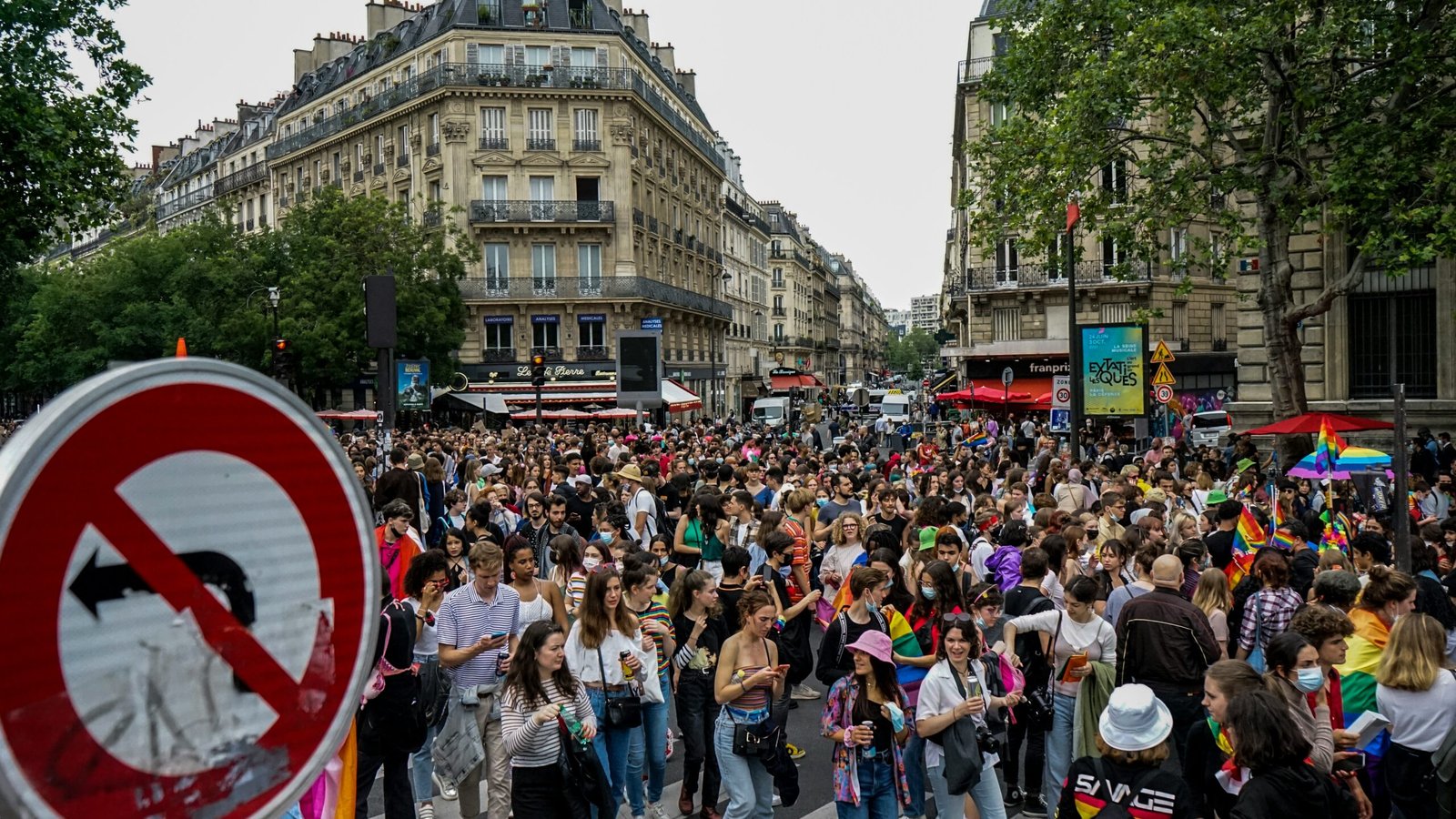
Donaire’s first target is La Boquería, Barcelona’s most famous market. Once a haven for chefs and foodies, it has become a no-go area for most residents — overrun by tourists buying takeaway snacks rather than fresh food.
That is about to change. Donaire says the market will return to selling fresh food. Takeaway snacks will be banned, with the consent of the majority of stallholders.
“Within a year, you’ll see the new Boquería,” he promises.
The Housing Crisis Connection
The city’s attempt to curb visitor numbers began in 2017 with a moratorium on new hotels in central Barcelona. That effort was largely undermined by the rapid surge in short-let tourist apartments on sites like Airbnb.
In 2028, Barcelona’s 10,000 legal tourist apartments will have their licenses revoked. The city council hopes the majority of these properties will return to the rental market and alleviate the housing crisis.
Donaire acknowledges this has not worked in New York City, which effectively banned tourist apartments in 2022 without any subsequent increase in rentals. But he says Barcelona has plans to incentivize landlords to put property back on the market.
“At the moment, the housing stock is growing by 2,000 homes a year,” he says. “If we can get those 10,000 tourist apartments on the residential market, it’s the equivalent of five years’ growth.”
Changing the Tourist Profile
Donaire, a professor at the University of Girona and director of its tourism research institute, says the new policies are not aimed so much at reducing numbers as changing the profile and behavior of visitors.
About 65% of visitors are classified as “leisure tourists.” The rest are either in Barcelona for conferences or are “cultural visitors” who come for museums, architecture, and music festivals. Donaire’s goal is to achieve an equal three-way split.
Other measures include reducing the number of cruise ship berths from seven to five. The city will still receive upwards of three million cruise passengers each year. But Donaire is blunt about their value: they “create more problems than benefits.”
Another group that will not be affected by restrictions on city center hotels and tourist lets are the seven million annual day trippers, most of whom arrive by coach. Barcelona has increased parking fees and forced coaches to park on the periphery in an effort to reduce numbers.
The Antisocial Behavior Crackdown
Barcelona is also clamping down on various forms of antisocial behavior, including a ban on organized pub crawls.
“We’re not interested in this type of tourism, and we want it to disappear,” Donaire says.
The city furthermore plans to invest a portion of its recently increased tourist tax into the city center to increase local commerce in an area where retail is dominated by convenience stores, souvenir shops, and cannabis shops.
The Scepticism
Such proposals will no doubt be received with skepticism. “Quality over quantity” is not a new refrain. Previous efforts to curb tourism have been undermined by market forces and external actors beyond the city’s control — the port, the airport, airlines, hoteliers, and the big-is-better travel industry.
But Donaire and his backers hope that after 30 years of tourist boom, the balance may finally tip back in favor of Barcelona’s residents.
“Many citizens feel the city center no longer belongs to them,” Donaire says.
The question is whether he can be the man to give it back.
The Bottom Line
Barcelona has appointed José Antonio Donaire as its first commissioner for sustainable tourism. His message is clear: “We don’t want more tourists, not even one more.” The city attracted 26 million visitors last year — a number Donaire says is unsustainable. His plans include rescuing La Boquería market from takeaway snack culture, revoking licenses for 10,000 tourist apartments in 2028, reducing cruise ship berths, banning organized pub crawls, and rebalancing the tourist profile away from leisure travelers.
The city has tried before. This time, Donaire says, will be different. The residents of Barcelona are waiting to see if he is right.