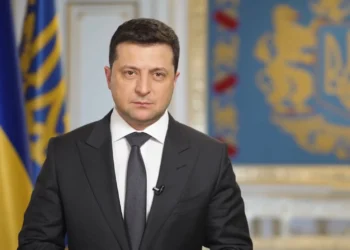
JD Vance is speaking at the White House today, stepping into a role typically reserved for the press secretary. But this is not a routine briefing. It is the latest move in a quiet, careful jockeying for position — with an eye on 2028.
Earlier this month, Secretary of State Marco Rubio covered Press Secretary Karoline Leavitt’s maternity leave. He was relaxed. He was jovial. He delivered soundbites that sounded straight out of a presidential campaign. “My hope for America is what it’s always been,” Rubio said on May 5. “I think it’s the hope we all share. We want it to continue to be the place where anyone from anywhere can achieve anything.”
Those lines were quickly turned into social media clips that looked like political adverts.
The 2028 Shadow
President Trump has not declared a preferred successor. He has not endorsed anyone. What he has done is tease both Vance and Rubio about their ambitions, never saying which one he wants to succeed him. He clearly enjoys fostering the rivalry between them.
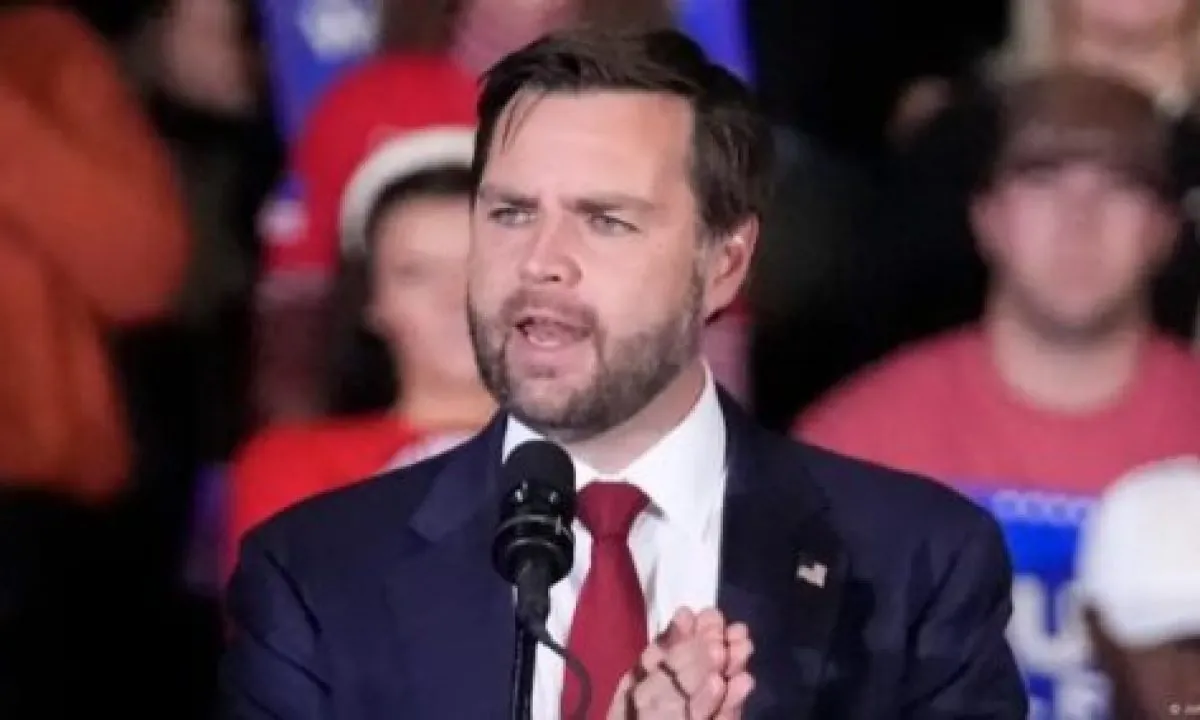
For Vance, the briefing is an opportunity. It is also a minefield. He will need to balance his own political instincts with the demands of serving a president who is still very much in office.
The last time Vance faced the press in this setting was after protesters in Minneapolis had been shot. He was combative then. The question today is whether he will strike a different tone — and whether he can signal his skepticism about the war in Iran without angering the president.
Iran is a delicate issue for Vance. He has been publicly cautious about the US-Israeli war, a position that could appeal to voters weary of foreign entanglements. But openly breaking with Trump on a major policy would be risky. The briefing room is not a campaign rally. Every word will be parsed for loyalty as much as substance.
The Stakes for Vance
Vance’s appearance is not just about filling a podium. It is about demonstrating readiness. A vice-president who can handle the press corps, who can stay on message, and who can project authority without overshadowing the president is a vice-president who looks like a credible candidate.
A vice-president who stumbles — who appears defensive, combative, or out of his depth — hands the advantage to Rubio.
The briefing will be watched closely not just by reporters, but by donors, strategists, and the president himself. Vance knows this. So does Rubio.
The Bottom Line
Vice-President JD Vance is speaking at the White House on Tuesday, taking over briefing duties from Press Secretary Karoline Leavitt. The appearance comes after Secretary of State Marco Rubio filled the same role earlier this month, using the platform to deliver campaign-style soundbites that were quickly turned into social media clips.
Both Vance and Rubio are viewed as the most likely Republican candidates to run for president in 2028. President Trump has fostered a rivalry between them, never declaring which one he wants to succeed him. Vance’s last appearance in the briefing room was combative. Today, he will need to balance his own political ambitions with the demands of serving a president who is still in office — and still watching.