A coalition of major media organizations, including NBC News, has filed a formal motion to unseal hidden subpoenas and court filings related to the Department of Justice’s aggressive investigation into the 2020 election results. The media push comes after shocking revelations about an early 2026 FBI sweep, leading many to demand answers about what really went down inside the DOJ’s secret raid on Georgia election workers.
The Fight for Names and Addresses
Back in January 2026, FBI agents unexpectedly seized physical ballots and election materials from a secure voting hub in Fulton County, Georgia, a heavily Democratic area that was central to the 2020 election disputes.
Following the sweep, the Trump administration’s DOJ tried to force county officials to hand over a master list containing the full names, home addresses, phone numbers, and emails of the ordinary citizens and volunteers who worked the polls six years ago.
Fulton County officials have firmly locked down the data, refusing to comply. They argue the federal government is simply trying to “target, harass, and punish” everyday workers who happen to be perceived as political opponents.
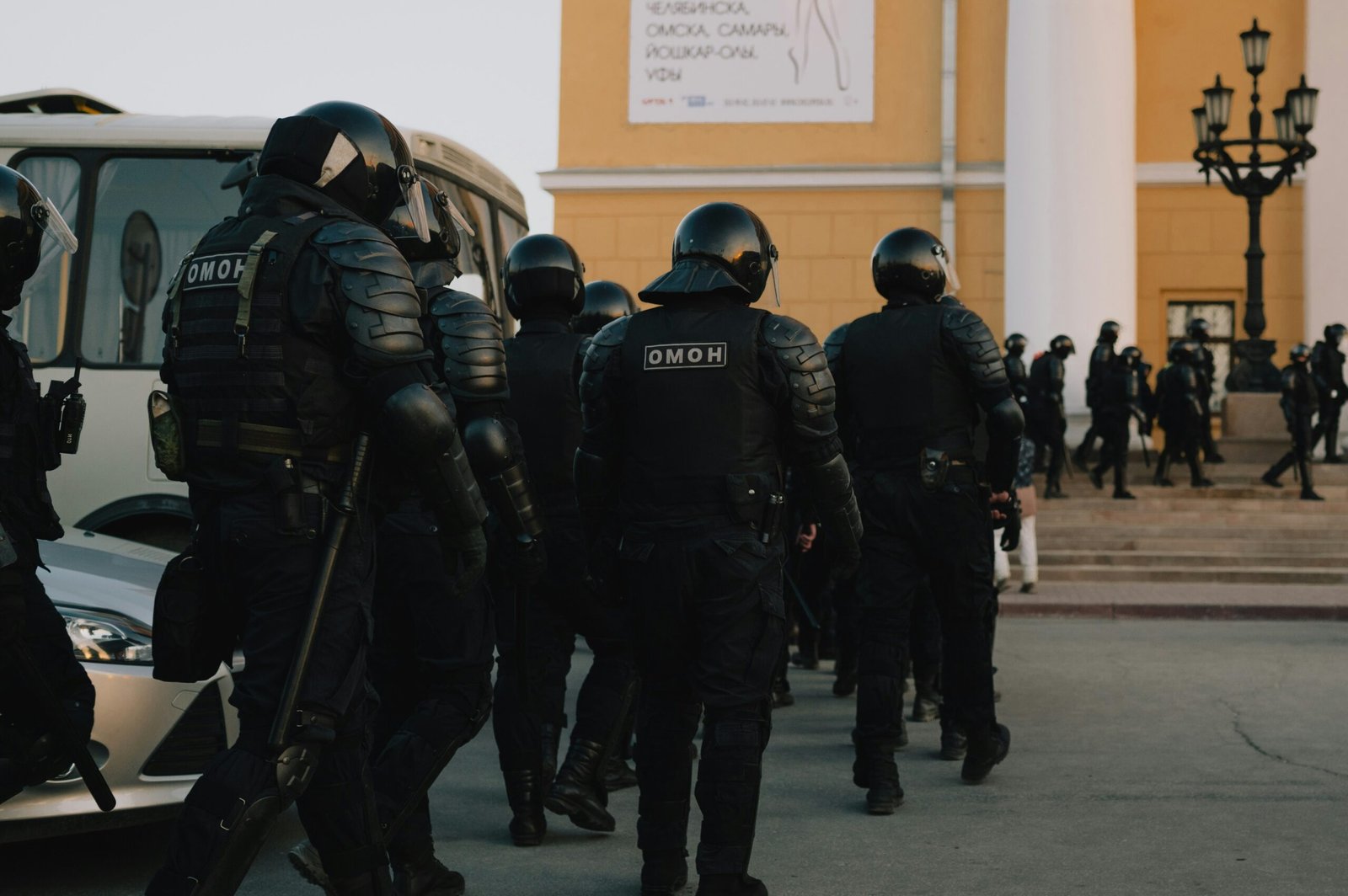
Haunting Everyday Citizens is Intimidation
The Justice Department’s demand for the private home addresses and phone numbers of temporary election volunteers is dangerous. These aren’t high-level politicians; these are local citizens, retirees, and everyday workers who stepped up to help run a basic democratic process over half a decade ago.
I find it incredibly alarming that the federal government is using a grand jury to hunt down these individuals when the statute of limitations for any 2020 election crimes has already completely run out. If the DOJ successfully forces the county to hand over this private data, it sends a bad message to anyone thinking about volunteering at a polling place in the future: if the wrong party wins, the feds might show up at your doorstep. It is pure political intimidation, and it’s a good thing the media is suing to drag these secret actions into the light.
A Case Built on “Debunked” Claims
The push to unseal the records gained massive momentum after independent election experts looked at the initial paperwork used to justify the search warrants.
Ryan Macias, a prominent election security expert, testified under oath before a federal judge that the FBI’s baseline evidence “doesn’t make sense” and has “no basis in reality.”
The unsealed affidavits showed that the DOJ’s investigation relies heavily on old, thoroughly debunked conspiracy theories pushed by outside political activists.
Because Fulton County has already spoken out publicly about fighting the subpoena, media lawyers argue that “grand jury secrecy” is already gone, and the public has an absolute right to see the rest of the documents.
Drawing a Line in the Sand
Fulton County Chairman Robb Pitts has made it clear that the county welcomes the media’s help in bringing accountability to the situation. By keeping the files sealed, the DOJ is hiding how it operates. If the courts agree to unseal the subpoenas, the public will finally see whether the federal government has a legitimate legal case or if they are simply using the FBI as a political weapon to rewrite history.