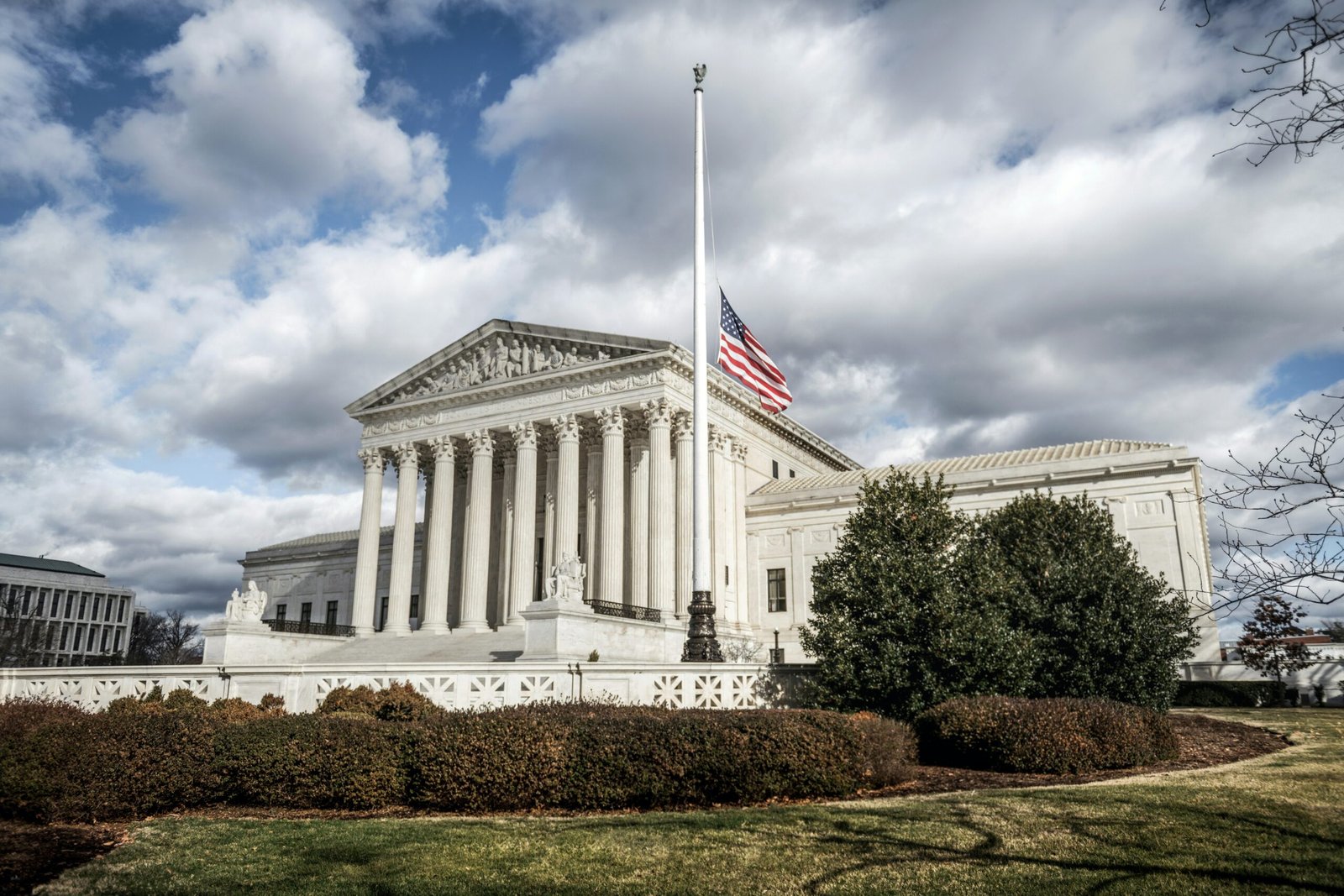

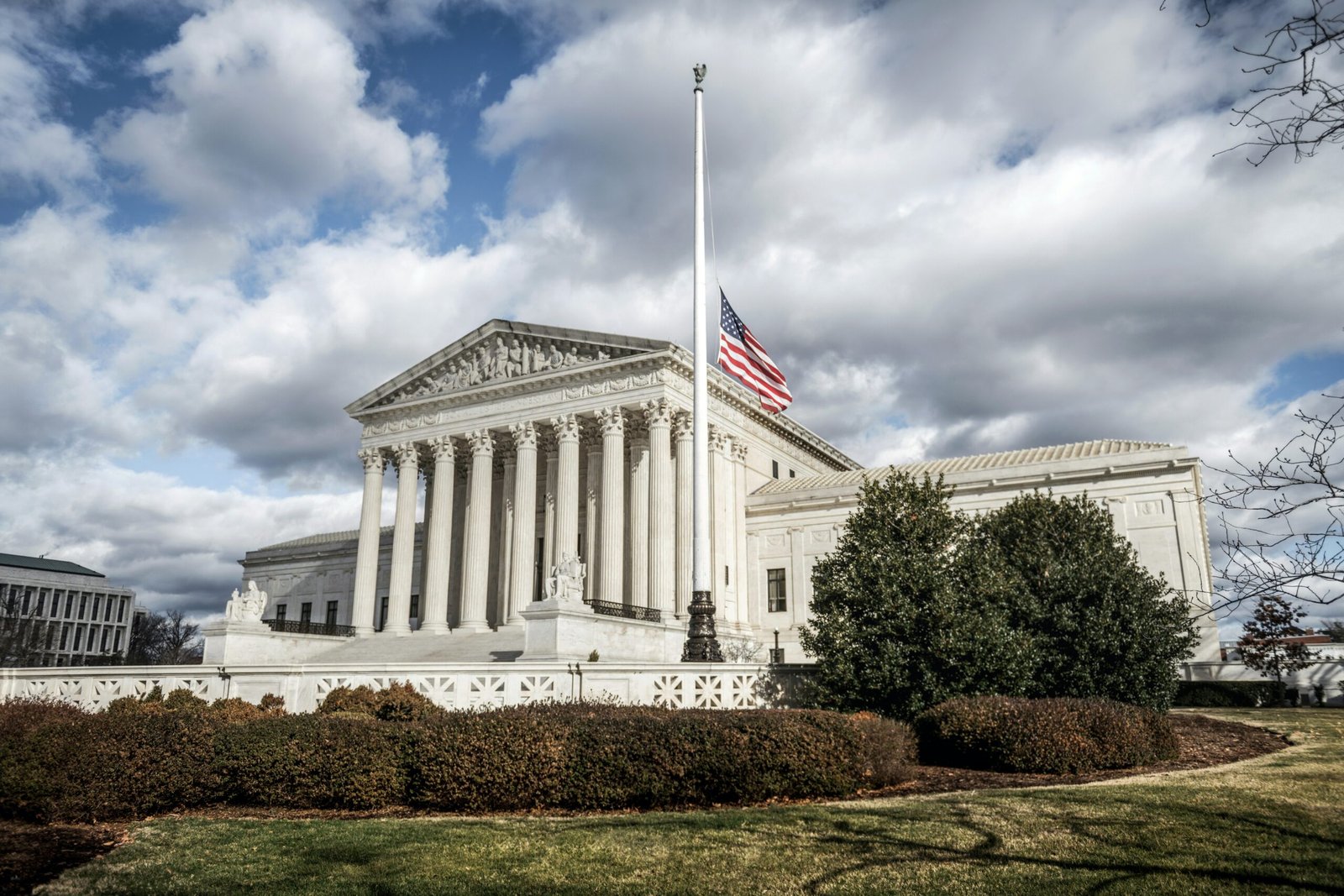
The U.S. Supreme Court has stepped into a massive fight over how Native American tribes protect their right to vote. By wiping out a controversial lower-court decision, the justices ensured that the battle over fair representation isn’t over yet.
The Fight Over Who Can Sue
This whole case started in North Dakota, where two Native American tribes fought to get voting maps that fairly represented their communities, but then a lower appeals court stepped in and completely ruined the victory
The 8th U.S. Circuit
Court of Appeals ruled that under Section 2 of the Voting Rights Act, regular citizens, civil rights groups, and tribes do not actually have the right to sue the government over unfair maps. Instead, the appeals court claimed that only the federal government, specifically the Department of Justice, is allowed to bring these lawsuits.
This was a huge deal because, historically, the federal government doesn’t have the time or resources to fight every local map. For decades, regular people and advocacy groups have filed the vast majority of these cases. By saying they couldn’t sue anymore, the lower court basically tried to take away the biggest tool voters have to fight discrimination.
Let the People Protect Their Own Votes
If you ask me, the lower court’s original ruling was a plain attempt to tie the hands of minority voters. Telling a Native American tribe that they cannot go to court to fight for their own political voice and that they have to sit around and wait for Washington, D.C., to help them is just wrong.
I think the Supreme Court did the right thing by sending this back. Decades of history show that everyday citizens and advocacy groups are the ones who keep our elections fair. If we strip away their right to sue, Section 2 of the Voting Rights Act becomes completely useless. It shouldn’t matter who is in the White House or which party controls the Department of Justice; people should always have the right to stand up for themselves in a court of law when their voting rights are being stepped on.
What Happens Next?
The Supreme Court didn’t permanently fix the law, but it gave the tribes a new lifeline.
Back to the Start: The lower courts now have to re-evaluate the case based on standard legal history, which means the tribes’ preferred voting maps stay in place for now. This lower-court idea was spreading fast. Mississippi tried to use the same trick to defend its own state legislative maps. The Supreme Court forced them to hit the brakes on that case, too.
Native American Rights Fund attorney Lenny Powell made it clear that the fight is far from over. Tribes are keeping their guards up because voting maps are still being redrawn across the country ahead of upcoming elections.
A Temporary Relief
The Supreme Court didn’t issue a final, sweeping victory, but it stopped a dangerous ruling from setting a terrible example. By sending the case back down, they kept the door open for tribes to defend their communities. The voting war in North Dakota is far from finished, but for now, the people still have the power to fight for their place on the ballot.