
The Justice Department has created a $1.776 billion fund to compensate people who claim they were unfairly targeted by the federal government. The deal came together after President Trump dropped a $10 billion lawsuit against the IRS over his leaked tax returns. The timing raised immediate questions. The legal and political fallout is just beginning.
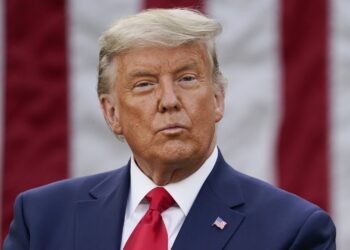
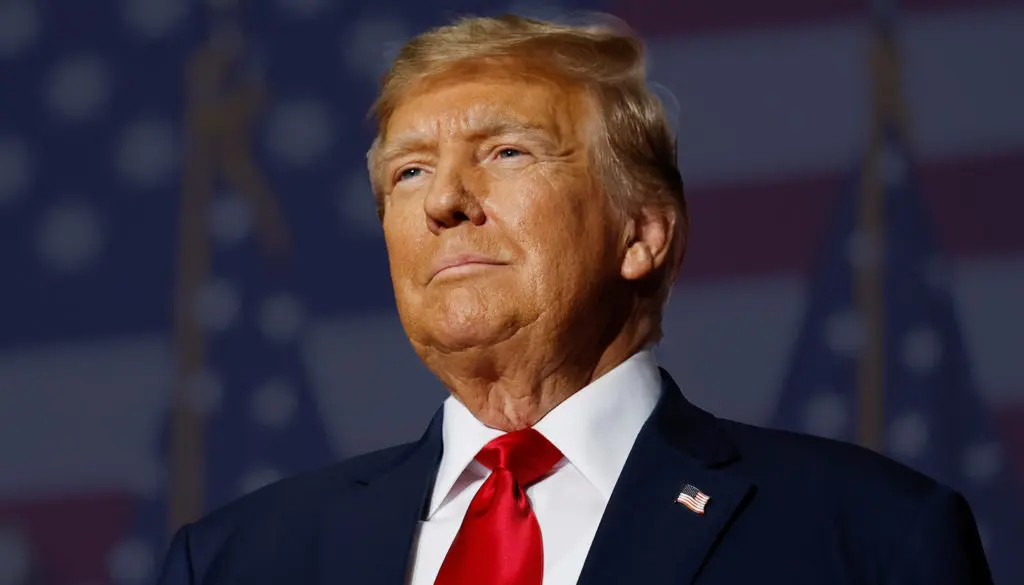
The “Anti-Weaponization Fund” was announced Monday as part of a settlement agreement. Trump and his co-plaintiffs — including his two elder sons and the Trump Organization — agreed to drop the IRS lawsuit, as well as other claims related to the 2022 search of Mar-a-Lago and the Russia investigation, “in exchange” for the creation of the fund, according to the Justice Department.
The fund is designed to provide a “systematic process to hear and redress claims of others who suffered weaponization and lawfare.” It could issue formal apologies and monetary relief to successful claimants. The $1.776 billion sum is a symbolic nod to the year of the nation’s founding.
Acting Attorney General Todd Blanche, a former personal lawyer for Trump, issued the memo establishing the fund. “The machinery of government should never be weaponized against any American, and it is this Department’s intention to make right the wrongs that were previously done while ensuring this never happens again,” Blanche said in a statement.
Who Could Get Paid
The fund could provide taxpayer-funded payouts to a wide range of Trump allies who claim they were victims of a “weaponized” justice system under President Joe Biden. That pool could include the roughly 1,600 people charged in connection with the January 6, 2021, attack on the U.S. Capitol — all of whom were pardoned or had their sentences commuted by Trump on his first day back in office.
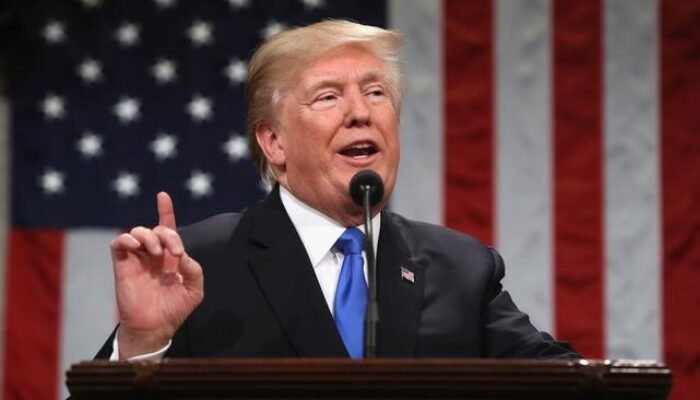
Trump himself was asked Monday whether individuals who committed violence against Capitol Police officers should be eligible for compensation. “It’ll all be dependent on a committee being set up of very talented people, very highly respected people,” he responded. He also said he was not involved in creating the fund, insisting the arrangement had been “very well received.”
Under the agreement, Trump and his family are excluded from receiving any money from the compensation fund. The president will receive an apology, but no monetary payment. The Treasury Department is responsible for depositing the $1.776 billion into an account controlled by a five-member commission hand-picked by Blanche. The attorney general will appoint every member and retain the power to remove any of them without cause. A report on who receives payments and how much they receive will be sent to the attorney general every quarter, but it is not specifically stated whether officials will publicly report how the money is disbursed.
The fund will stop processing claims by Dec. 15, 2028, about a month before Trump’s second term is set to end.
Immediate Backlash
The response from Democrats was swift and scathing. Nearly 100 House Democrats filed an amicus brief seeking to block the settlement. Rep. Jamie Raskin (D-Md.) called it “pure fraud and highway robbery,” adding that the case was “nothing but a racket designed to take $1.7 billion of taxpayer dollars out of the Treasury and pour it into a huge slush fund for Trump at DOJ to hand out to his private militia of insurrectionists, rioters, and white supremacists”.
Rep. Joe Neguse (D-Colo.) called the news “one of the most brazen examples of corruption we’ve seen from this administration.” Rep. John B. Larson (D-Conn.) announced new legislation requiring congressional approval before the DOJ can spend taxpayer dollars on any legal settlement involving the president or his family, calling the deal an attempt to “fleece taxpayers out of over a billion dollars”.
Sen. Ron Wyden (D-Ore.) branded the deal the “most brazen theft and abuse of taxpayer dollars by any president in American history.” Legal experts and government ethics watchdogs also raised alarms. “This is completely unprecedented for a variety of reasons,” said Rupa Bhattacharyya, a former Justice Department lawyer who oversaw a fund for victims of the September 11 attacks. “For taxpayer money to be given to the executive branch to dole out in a way with so little restriction just lends itself to abuse and corruption”.
The Unusual Lawsuit and Its Dismissal
The lawsuit at the center of the controversy was filed in January. Trump, his sons, and the Trump Organization sued the IRS and the Treasury Department, alleging they failed to prevent a former contractor, Charles Littlejohn, from leaking their tax returns to news outlets, including The New York Times and ProPublica. Littlejohn pleaded guilty and was sentenced in 2024 to five years in prison in a case a judge called “the biggest heist in IRS history”.
The litigation faced a significant legal hurdle. U.S. District Judge Kathleen M. Williams had questioned whether there was an actual controversy for the court to address, given that Trump, as sitting president, now controls the very agencies he was suing. She had ordered both parties to submit briefs explaining why the court should not consider them to be colluding.
Outside legal experts told the judge the case was “unprecedented.” “A sitting president seeks monetary damages for alleged harm to his personal interests from an executive agency that he controls. That presents significant Article III subject matter jurisdiction concerns,” they wrote. The settlement was announced two days before a Wednesday deadline to address those concerns. On Monday, after Trump moved to dismiss the lawsuit, Williams ordered the case closed, canceling all corresponding deadlines.
Treasury Lawyer Resigns
Adding to the drama, the top lawyer at the Treasury Department resigned Monday, just hours after the fund was announced. Brian Morrissey, the department’s general counsel, stepped down a mere seven months after his Senate confirmation. The Treasury Department declined to explain his exit, with a spokesman offering only that Morrissey “has served the United States Treasury with both honor and integrity”.
Morrissey’s resignation letter thanked Trump and Treasury Secretary Scott Bessent for the chance to serve. But critics were quick to draw a line between his departure and the controversial fund. The Treasury is responsible for depositing the $1.776 billion into the account controlled by Blanche’s commission.
The Bottom Line
The Justice Department has established a $1.776 billion “Anti-Weaponization Fund” as part of a settlement with President Trump, who dropped his $10 billion lawsuit against the IRS over leaked tax returns. The fund could issue taxpayer-funded payouts to Trump allies, including those pardoned for their roles in the January 6 Capitol attack. Trump and his family are excluded from receiving money, but the president will receive an apology.
The fund will be controlled by a five-member commission hand-picked by Acting Attorney General Todd Blanche, who retains the power to remove members without cause. Nearly 100 House Democrats have moved to block the settlement, calling it a “slush fund” and “highway robbery.” The top lawyer at the Treasury Department resigned just hours after the fund was announced. A judge dismissed Trump’s lawsuit on Monday, canceling all deadlines.
The fund is now established. The legal challenges are just beginning. And the question of whether $1.8 billion in taxpayer money will flow to Trump’s allies is headed for the courts.