
The 2026 FIFA World Cup kicked off on June 11 in Mexico City, and the fashion world has taken notice. What was once purely about sport has become something else entirely: a global opportunity to show off style, beauty, and cultural expression. From pink boots dominating the pitch to luxury fashion houses dressing national teams, the tournament is proving that football and fashion are now inseparable.
Here is what you need to know about the World Cup’s fashion and beauty moments.
The Pink Boot Takeover
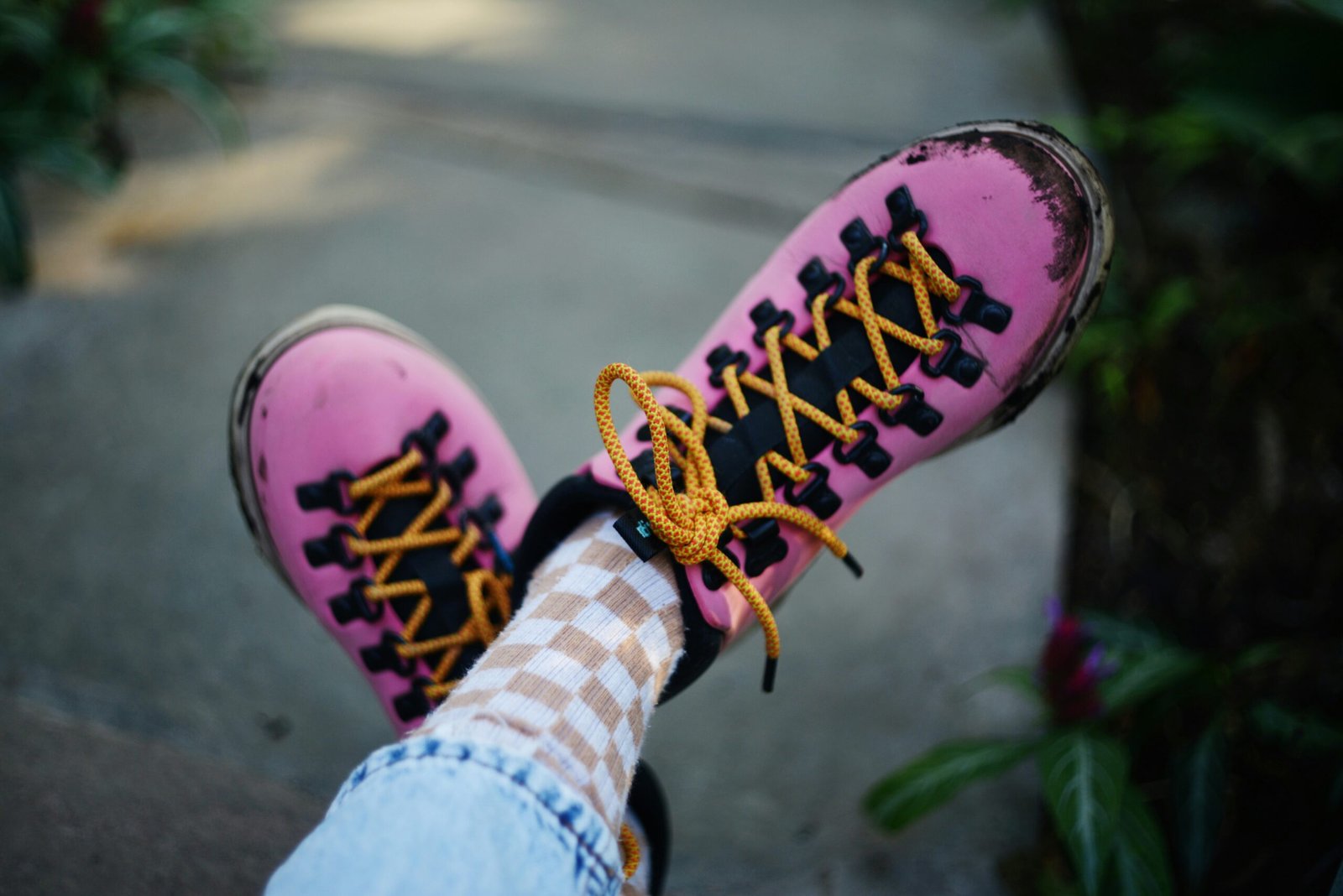
The most visible fashion statement on the pitch is impossible to miss. Players from almost every team are wearing bright pink boots. Nike, Adidas, and Puma all produced similarly styled boots in “Electric Fuchsia” for the tournament.
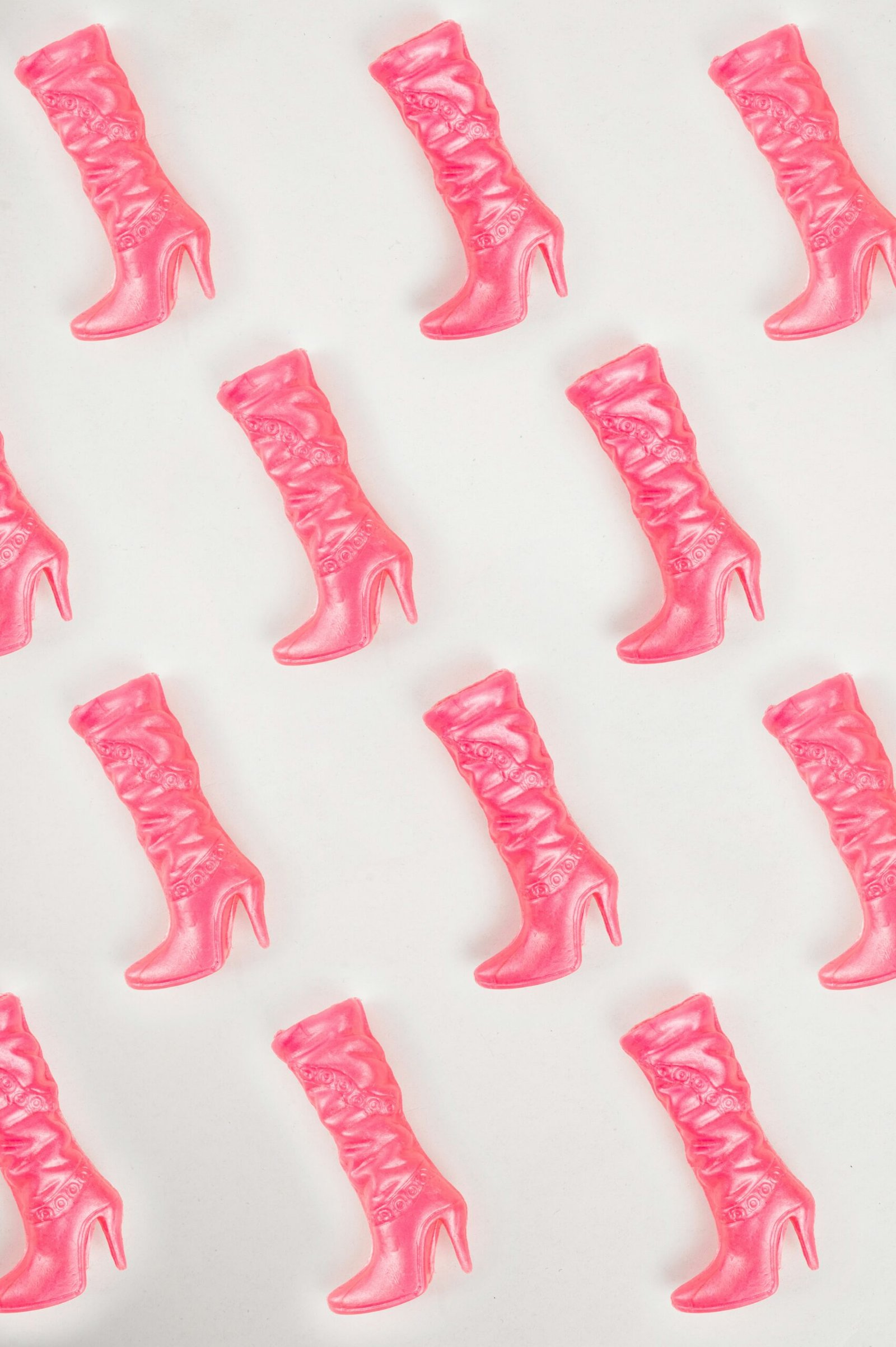
The trend was evident during the opening match between Mexico and South Africa in Mexico City, when nearly every player appeared to be wearing pink boots. The colour was predicted back in 2024 by consumer trend forecaster WGSN, which described it as “a vivid neon with a kinetic and digital quality.”
The choice is practical as well as stylish. Pink stands out against the green of the pitch, making it highly visible whether you are watching on television, at the stadium, or scrolling on your phone. The irony, of course, is that with so many manufacturers arriving at pink, it may actually be more difficult for individual designs to stand out.
Luxury Fashion In Football
Football’s fashion moment extends far beyond footwear. Several luxury brands have partnered with national teams for the tournament.
Loewe is dressing the Spanish team, while Gabriela Hearst designed the uniforms for Team Uruguay. Burberry launched its “A Good Sport” campaign featuring Korean football star Son Heung-min, blending London style with football.
Other collaborations include:
- Jacquemus x Nike x French Football Federation: A minimalist capsule inspired by French football culture, with proceeds supporting youth charity Sport Dans la Ville
- Willy Chavarria x Adidas x Mexico: “Comienza con el Sueño” (“it begins with a dream”), a collection inspired by Mexican football culture and identity
- Nike x Virgil Abloh Archive x U.S. Men’s National Team: A capsule honouring Abloh’s design legacy with deconstructed varsity pieces and retro rugby shirts
- Puma x Salehe Bembury: A collection telling the story of Morocco, Portugal, and Egypt through their “territory, art, and nature”
The U.S. Soccer Federation also partnered with 11 local designers from each host city, including Undefeated (Los Angeles), New York or Nowhere (New York), and Huf (San Francisco), to create city-specific collections.
The Fan Fashion Spectacle
The stands have become a runway of their own. Fans from around the world are showing up in elaborate cultural dress, theatrical face paint, and creative tributes to their nations.
At the opening match, Mexico fans embraced Día de los Muertos-inspired outfits with sugar skull face paint and floral headdresses in the colours of the Mexican flag. Others wore lucha libre masks, a nod to the country’s celebrated wrestling tradition.
South African superfan Joyce Chauke, known as “Mama Joy,” wore intricate beadwork, face paint, and a bright yellow hat in the country’s national colours. South Korean fans paired their team’s traditional red jerseys with Mexican sombreros in tribute to the host country.
The Beauty Looks: Lisa and Katy Perry
The opening ceremony in Los Angeles featured performances from global stars, and their beauty looks set the tone for the tournament’s glamour.
Lisa, the Thai K-pop star who performed the tournament’s official song “Goals,” opted for soft bronze makeup with warm earthy eyeshadows and glossy nude-pink lips. Her signature thick fringe completed the look.
Katy Perry, closing the ceremony with “Wonder,” chose a more classic approach: luminous skin, silver eyeshadow, soft eyeliner, and flowing black hair with a middle part. The look was polished and elegant, matching the reflective tone of her performance.
Sportswear as Streetwear
The World Cup has accelerated a trend that was already building: wearing sportswear as everyday fashion. Pinterest reports that searches for “World Cup jerseys” are up 840 per cent, and “baddie tracksuit outfit” searches have jumped 276 per cent.
People are styling jerseys in unexpected ways—layered over bubble skirts, cropped and tucked into cargo pants, or paired with going-out accessories. As Pinterest’s global trends lead put it: “It’s become less about dressing like a fan, and more about building an identity”.
Even Simone Rocha collaborated with Adidas for her fall/winter 2026 show, creating coquettish versions of track jackets with pearl zipper pulls and crystal-embroidered shin-guard-like socks.
The Cultural Currency
The World Cup’s fashion moment is not just about clothes. It is about belonging. Team apparel has become a way to feel connected to something larger, a sense of identity in an increasingly atomised world.
From the stands to the pitch, from the opening ceremony to the street style, the 2026 World Cup has proven that fashion and football are no longer separate worlds. The tournament is now a cultural event as much as a sporting one—and the clothes are part of the spectacle.