The public is reacting sharply to a new Supreme Court voting rights ruling that ends key protections in 7 states after the highest court in the country refused to review a major legal challenge from Arkansas on Monday morning. By letting a lower court’s decision stand, the justices have fundamentally changed how civil rights laws are protected, stopping everyday citizens and local advocacy groups from filing federal lawsuits to fight ballot box discrimination.
This decision leaves millions of voters with disabilities or language barriers without their usual legal protections just months before major elections.
The Affected Region and the New Rules
The decision directly impacts a portion of the American Midwest, permanently changing the rules for people living in seven specific states:
1. Arkansas
2. Iowa
3. Minnesota
4. Missouri
5. Nebraska
6. North Dakota
7. South Dakota
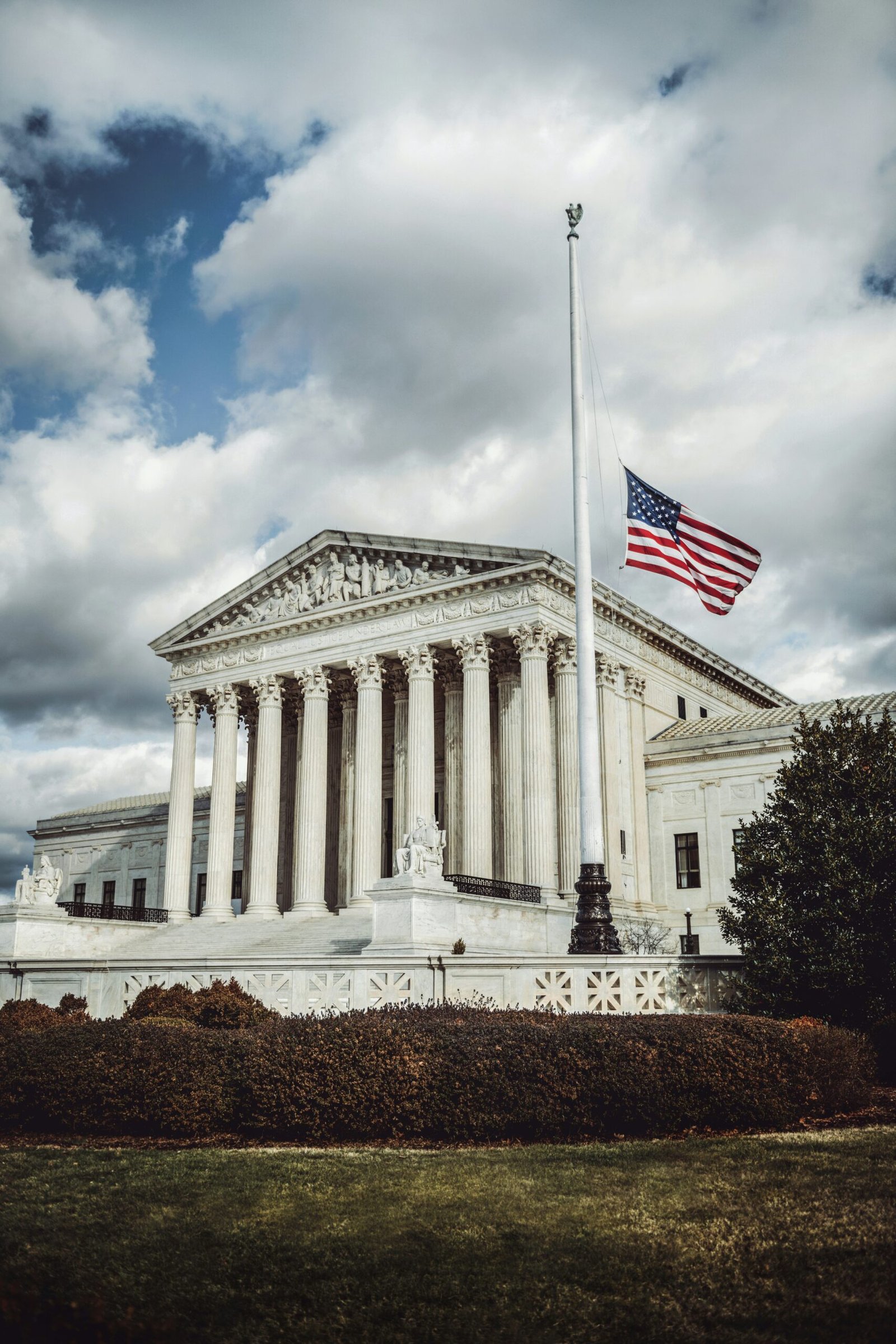
In these specific states, local civil rights groups can no longer go to court to enforce Section 208 of the Voting Rights Act. This crucial rule explicitly states that any voter who is blind, disabled, or unable to read or write has the legal right to choose someone they trust to come inside the voting booth and help them fill out their ballot.
Shifting the Burden to Washington
For over fifty years, everyday citizens and local non-profits, rather than federal government lawyers, have filed the vast majority of lawsuits to protect minority communities at the polls.
However, conservative officials successfully argued that the text of the Voting Rights Act only gives enforcement powers to the U.S. Attorney General. Because the federal Department of Justice has limited staff, limited funding, and constantly changes its focus with every new president, experts warn that voting rights enforcement will now sharply decline across the country.
The original legal battle started when a local non-profit called Arkansas United provided Spanish-language translators to help people vote. When the state passed a law trying to limit that translation help, the group sued. State officials fought back by claiming that private organizations had no legal standing to bring the case to court in the first place, a rule that is now officially the law across the region.
My Opinion
Closing the courtroom door to regular people is a direct and calculated attack on the fairness of American elections. The federal government in Washington cannot possibly monitor every single county clerk or rural polling place across seven massive states. Expecting a slow bureaucracy to swoop in and save local voters from discrimination is completely unrealistic.
If an elderly grandmother needs her grandson to translate a complicated ballot, or if a blind voter needs assistance, they should have that right without being blocked by state laws.
By taking away the power of local communities to sue when their rights are violated, the courts have essentially left vulnerable voters defenseless. Forcing citizens to sit back and hope that Washington politicians decide to care about their local polling problems means that, for many people, the help will arrive long after the election is already over.
Current National Impact
Because the Supreme Court chose not to write a long, official explanation for its order on Monday, this new standard only applies to the seven states covered by the local appeals court. In the rest of the United States, private individuals can still file lawsuits to protect their right to vote.
However, as this Supreme Court voting rights ruling ends key protections in 7 states, legal experts fully expect other conservative states to quickly copy the Arkansas strategy, creating a wave of local restrictions that will eventually force the high court to make a permanent, nationwide rule.