Although U.S. Defense Secretary Pete Hegseth stated in March that nearly 90 percent of the 400 injured American service members sustained only minor injuries and had resumed active duty, some affected troops have since argued that the seriousness of their conditions was understated by those classifications, according to a report by CBS News on Wednesday.
One of the affected troops, Chief Warrant Officer Rodney Bearman, was injured during an Iranian drone attack on a U.S. military base in Kuwait on March 1. According to CBS, medical evaluations later revealed that he sustained shrapnel wounds, a concussion, hearing and vision impairment, as well as injuries to his lungs.
Bearman had been classified as “not seriously injured.”
Sergeant First Class Cory Hicks was also among those wounded in the Kuwait attack that left six soldiers dead. He later underwent emergency operations after suffering significant injuries caused by shrapnel. Hicks told CBS that, despite the seriousness of his condition, a U.S. Army official had described his injuries to his wife as “minor.”
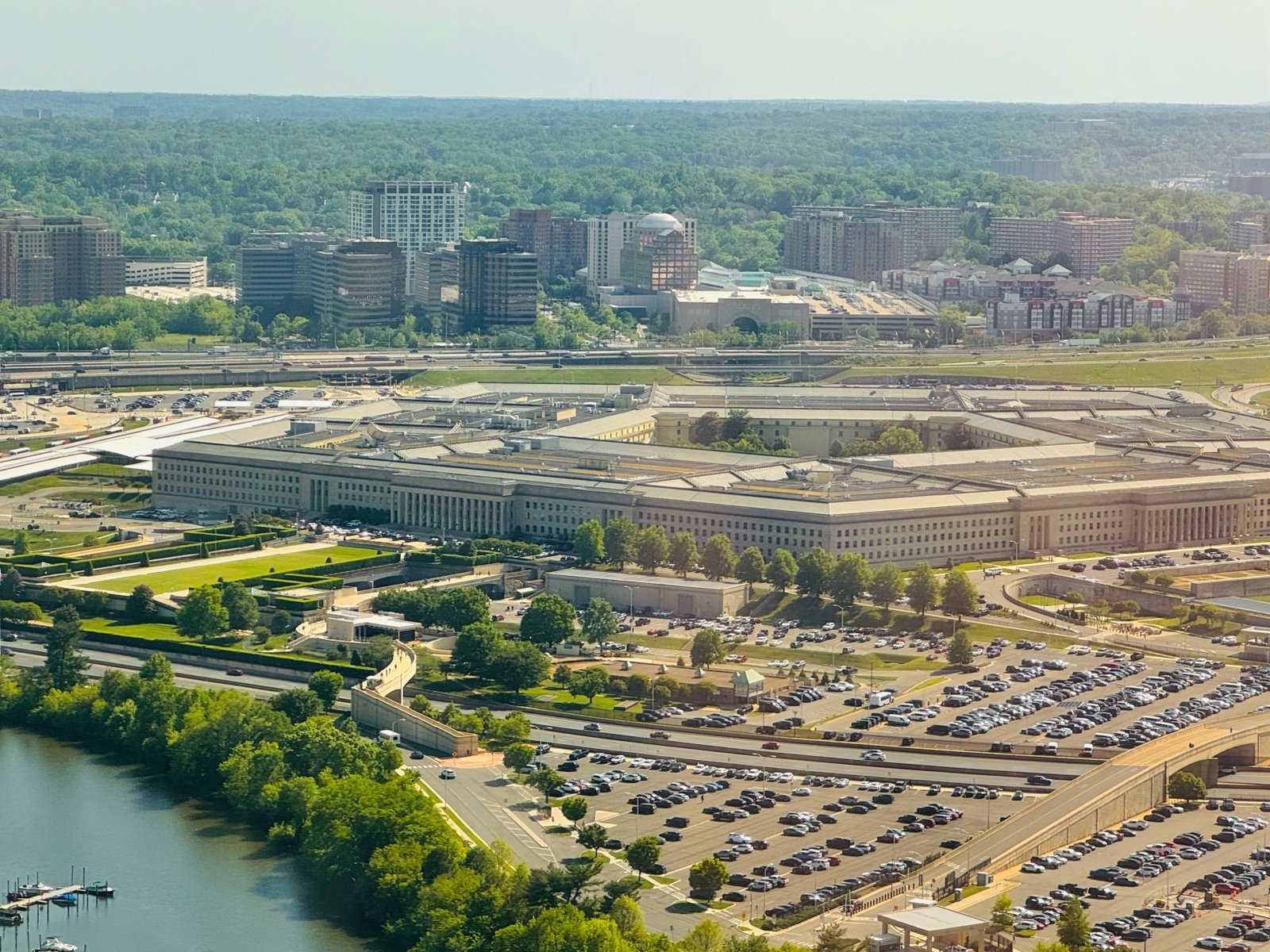
CBS reported that Hicks said he “absolutely” believes the Pentagon attempted to minimise public attention on the incident and reduce the perceived severity of what happened.
The U.S. military has firmly rejected the allegation, telling CBS that classifications such as “not seriously injured” and “combat casualty” are based on established military criteria and argued that those terms have been misunderstood or taken out of context.
“The care and well-being of our soldiers is of the highest priority,” CBS cited an army spokesperson as writing. “Any assertion that the army seeks to downplay a soldier’s injuries is simply not true.”
According to a military spokesperson, the classifications “seriously injured” and “very seriously injured” apply only to personnel whose injuries are considered life-threatening and who face a risk of death within 72 hours.
The attack in Kuwait had already drawn attention earlier this year after several service members who survived the incident told CBS in March that prior requests for medical equipment had allegedly gone unanswered in the weeks leading up to the strike. They also raised concerns that the base was not adequately prepared to respond to a drone attack.
According to CBS, Major Stephen Ramsbottom, who survived the strike, said he believes the outcome for Master Sergeant Nicole Amor could have been different if the military post had been better equipped with more medical personnel and essential treatment resources.
CBS reported, citing multiple sources, that U.S. intelligence had identified the military post as a possible Iranian target as far back as January. Following those warnings, several service members reportedly urged commanders to strengthen anti-drone protection at the facility.
The day after the strike, U.S. Defense Secretary Pete Hegseth referred to the drone as a “squirter,” explaining that it had managed to slip through the defensive systems protecting the unit.
According to CBS, an Army spokesperson said the review into the circumstances and details surrounding the attack has been concluded, but the results will remain confidential until relatives of those affected have first been informed.