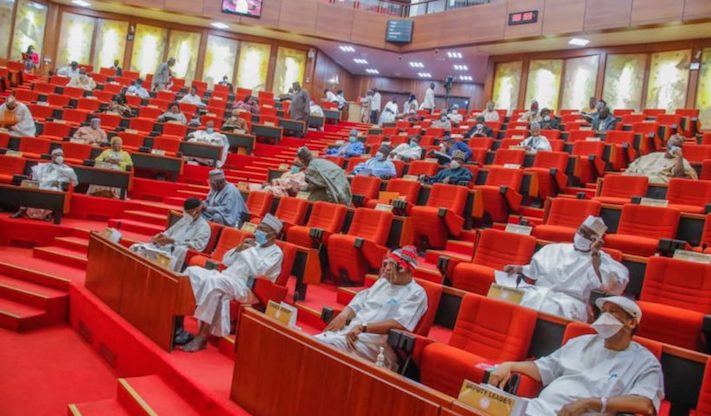

The Nigerian Senate on Wednesday approved a bill to allow states to have their own police forces, paving the way for a major reform that would reshape the policing structure of the conflict-racked nation.
The proposed constitutional change will decentralize the country’s police force, which is currently controlled by the federal government but has been overstretched by an escalating insecurity crisis. The state police forces will operate alongside the federal police.
A lack of police presence in vast rural areas has worsened Nigeria’s security woes, analysts say, allowing militant groups to operate without challenge. Criminal groups and jihadis have killed tens of thousands of people, according to the United Nations.
The New Framework
The change would allow each of Nigeria’s 36 states to create a police force that meets a minimum national requirement while the federal police retains control of counterterrorism, border patrol, organized crime, and other national security issues.
The legislation, which enjoys bipartisan support and is being championed by President Bola Ahmed Tinubu, has long been considered a solution to the mushrooming conflicts across the country and has been debated multiple times in the past.
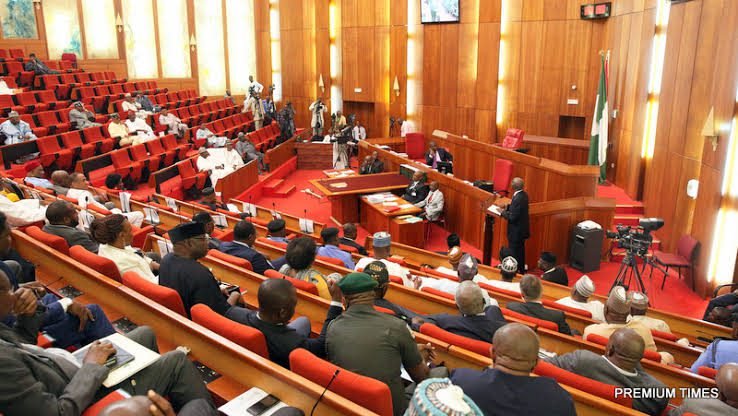
Under Tinubu, insecurity has worsened as militants have started operating in the southern region. At least 80 school children are still in captivity after being abducted by militants in the southern and northern regions of the country.
The Rationale for Reform
“In the light of recent mass kidnappings, the calls for a decentralized police have increased due to the sluggish nature of the government’s response to the events, which has been, in part, caused by the structural deficiencies of a centralized policing framework in Nigeria,” said Ikemesit Effiong, a partner at SBM Intelligence, a Lagos-based risk advisory firm.
Currently, state governors are considered the top security chiefs of their states, but do not have operational command over the police forces within their jurisdictions. The new bill would change that dynamic, giving governors more control over local law enforcement.
Criticism and Next Steps
Critics of the state police say it leaves room for abuse by state governors, who could use the force to advance personal agendas and silence critics. They argue that a decentralized system could lead to politicization of law enforcement and human rights abuses.
Two-thirds of the state assemblies still have to approve the bill since it includes a change to the constitution. The bill’s passage in the Senate is a significant step, but the reform is not yet final.
The Bottom Line
Nigeria’s Senate has passed a bill to allow states to create their own police forces, a major reform aimed at addressing the country’s worsening insecurity crisis. The bill, which has bipartisan support, would decentralize the federal police force and give state governors operational control over local law enforcement. The change would allow each of Nigeria’s 36 states to create a police force meeting national standards, while the federal police retains control over counterterrorism and border patrol. The bill still requires approval from two-thirds of state assemblies.