Following weeks of an interim truce, a rapid sequence of back-and-forth military strikes has reignited active combat, with the latest battlefield updates confirming that the US and Iran are exchanging new airstrikes as the ceasefire fails. Any near-term hopes for a comprehensive peace treaty have essentially evaporated.
90 Targets Hit as Fighting Spreads Region-Wide
The collapse of the June MOU (Memorandum of Understanding, a formal document outlining an agreement between parties before a final contract is signed) occurred after President Donald Trump declared the temporary ceasefire dead. The administration cited recent Iranian attacks against commercial shipping vessels navigating the hyper-critical Strait of Hormuz as the direct issue for the escalation.
As the US and Iran exchange new airstrikes, the U.S. military launched retaliatory attacks inside southern Iran. U.S. Central Command confirmed striking roughly 90 military targets. These included coastal surveillance assets, air defense arrays, naval infrastructure, and major drone and missile storage facilities along the coastline.
Iran answered with its own heavy artillery and missile strikes targeting U.S. allies throughout the region. The counter-offensive triggered active air defense alerts in Qatar, Kuwait, Bahrain, and Jordan. Jordan’s military confirmed it successfully intercepted eight incoming Iranian missiles. The Iranian Health Ministry issued its first official casualty count, noting that at least 14 people have been killed and another 78 wounded over the two days of intensive fighting.
Strategic Friction
The root cause behind this latest breakdown is caused by the status of the Strait of Hormuz, a narrow waterway that traditionally handles roughly 20% of global oil shipments. In an effort to assert its geopolitical authority over the route, Iran has insisted on its right to levy transit fees on passing commercial ships, backing up those demands with kinetic attacks on maritime transport.
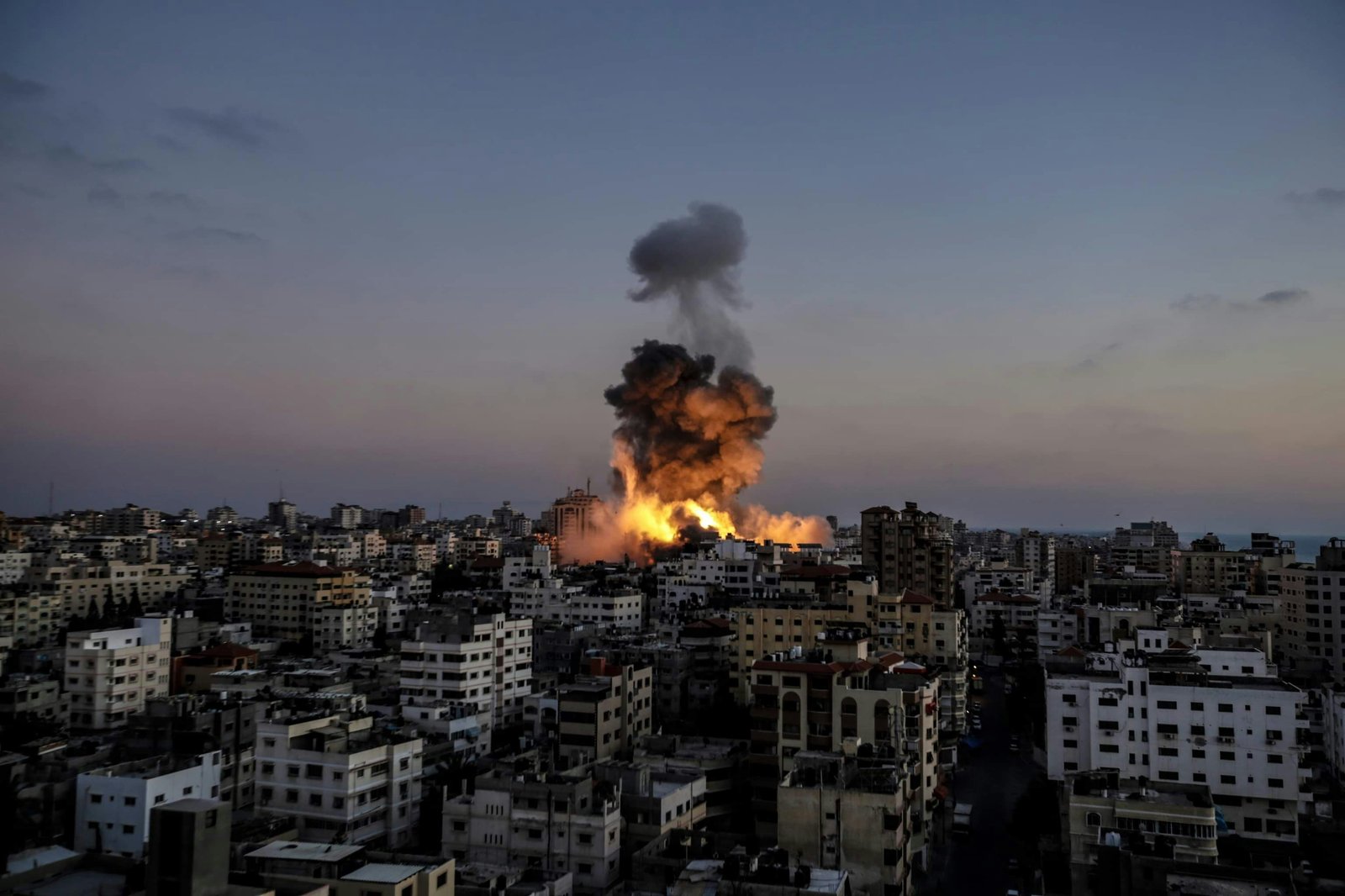
Compounding the timing of the crisis is an intense period of political transition inside Iran. The country is currently holding massive national funeral ceremonies for its late Supreme Leader, Ayatollah Ali Khamenei, who was killed during the initial outbreak of the war in February. Iranian state officials claimed that several U.S. missiles severely damaged key railway bridges leading to the city of Mashhad, where Khamenei is scheduled to be buried. Additional strikes were reported near the perimeter of the Bushehr nuclear power plant.
My Opinion
We are witnessing the natural, catastrophic consequence of a foreign policy driven entirely by bravado rather than structural strategy. President Trump’s public statements, dismissing peace efforts, labeling foreign leaders “scum,” and issuing vague threats that things will “get much worse” might make for a potent political stunt back home, but they are disastrous for actual conflict resolution.
Trump insists that Iran is “desperate to make a deal” while simultaneously writing them off as “too crazy” and “out of control” to honor one. You cannot successfully negotiate a permanent end to a regional war while publicly humiliating the other side during their national period of mourning. By responding to maritime tariff disputes with massive, infrastructure-level bombings inside Iran, the U.S. effectively guaranteed a region-wide retaliation. If Washington genuinely wants an exit strategy from this multi-billion-dollar conflict, it needs to stop treating complex Middle Eastern diplomacy like a real estate negotiation and realize that empty threats of total retribution only result in a wider, costlier war.
Bottom Line
Despite the sudden surge in regional hostilities, Trump indicated to reporters aboard Air Force One that he will still technically allow lower-level diplomatic talks to continue, stating he does not believe the current exchange will morph into long-term military action. However, independent geopolitical analysts remain highly unsure of that optimism. With the initial 60-day negotiating window under the original memorandum of understanding completely derailed by gunfire, both nations are caught in a dangerous “no war, no peace” cycle where a single miscalculation in the Gulf could trigger an uncontrollable escalation. Watching how the US and Iran are exchanging new airstrikes serves as a warning of the volatility ahead. The next few days might not be easy for us all