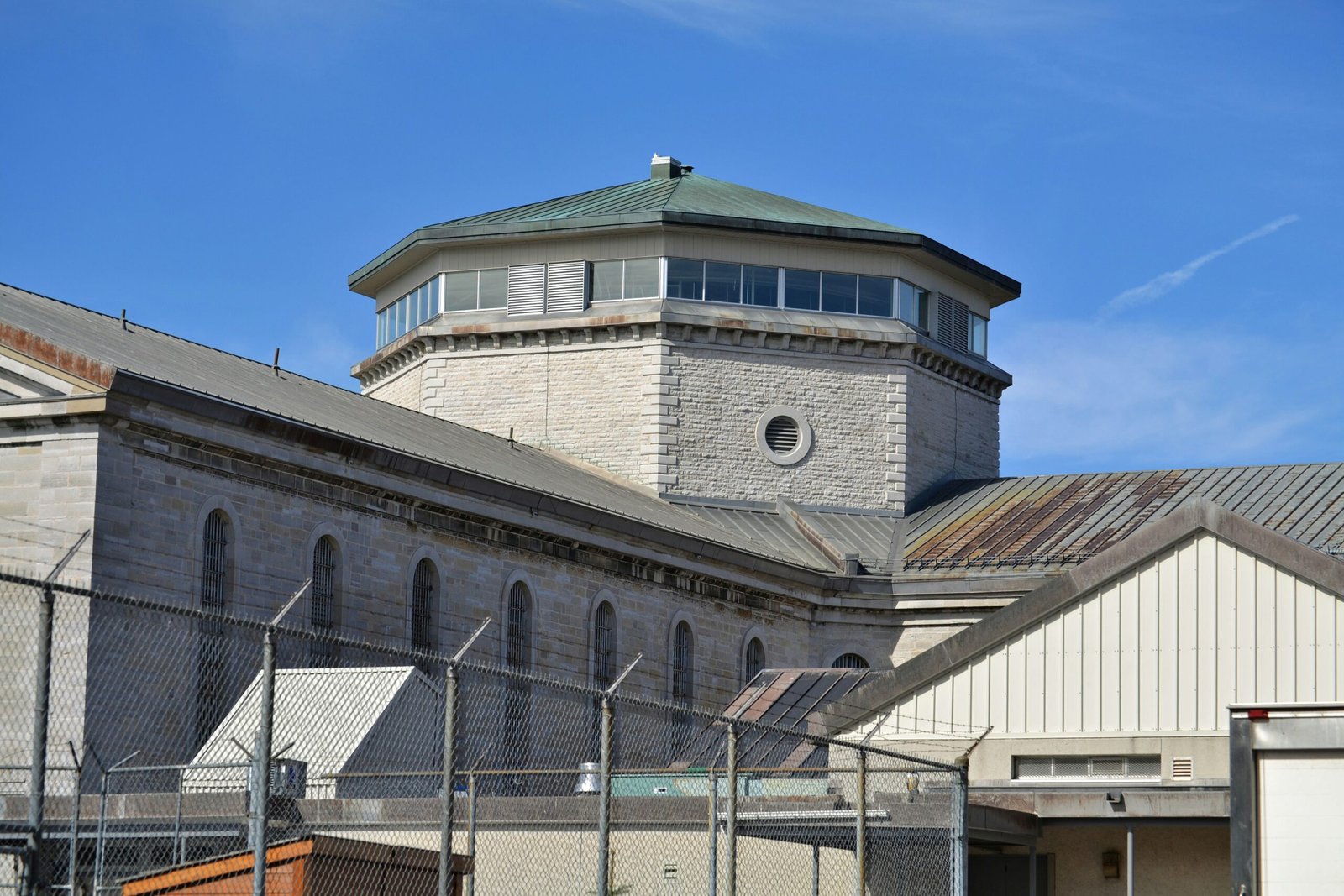

Due to an aggressive administrative war on immigration that has pushed detainee populations to large numbers, an expansive data analysis reveals that multiple ICE facilities are overdue for annual inspections and are currently operating with minimal outside scrutiny.
Tracking the Backlog and Policy Shifts
A comprehensive review of official Department of Homeland Security inspection reports reveals a decline in standard operational accountability. As of mid-2026, fifteen out of the forty-five largest immigration detention facilities, defined as locations holding an average daily population of 500 or more individuals, had not undergone a formal facility evaluation in over 12 months. Furthermore, five of those massive institutions currently have no official compliance inspection on record whatsoever.
This gap in oversight directly stems from an intentional policy shift carried out by ICE (Immigration and Customs Enforcement). The agency recently dismantled its previous mandate, which required most major facilities to be audited twice a year. Under the new guidelines. Facilities that exclusively house immigration detainees are now scheduled for reviews just once per fiscal year. Local county jails and municipal lockups that contract out space to the federal government are only slated for evaluations once every two years. In an effort to incentivize local sheriffs to open up jail cells for federal use, the administration actively reduced the bureaucratic burden of federal oversight. Consequently, the active network of operational facilities ballooned from 104 to 203 locations in just over a year.
Mounting Safety Deficiencies and Dissolving Safeguards
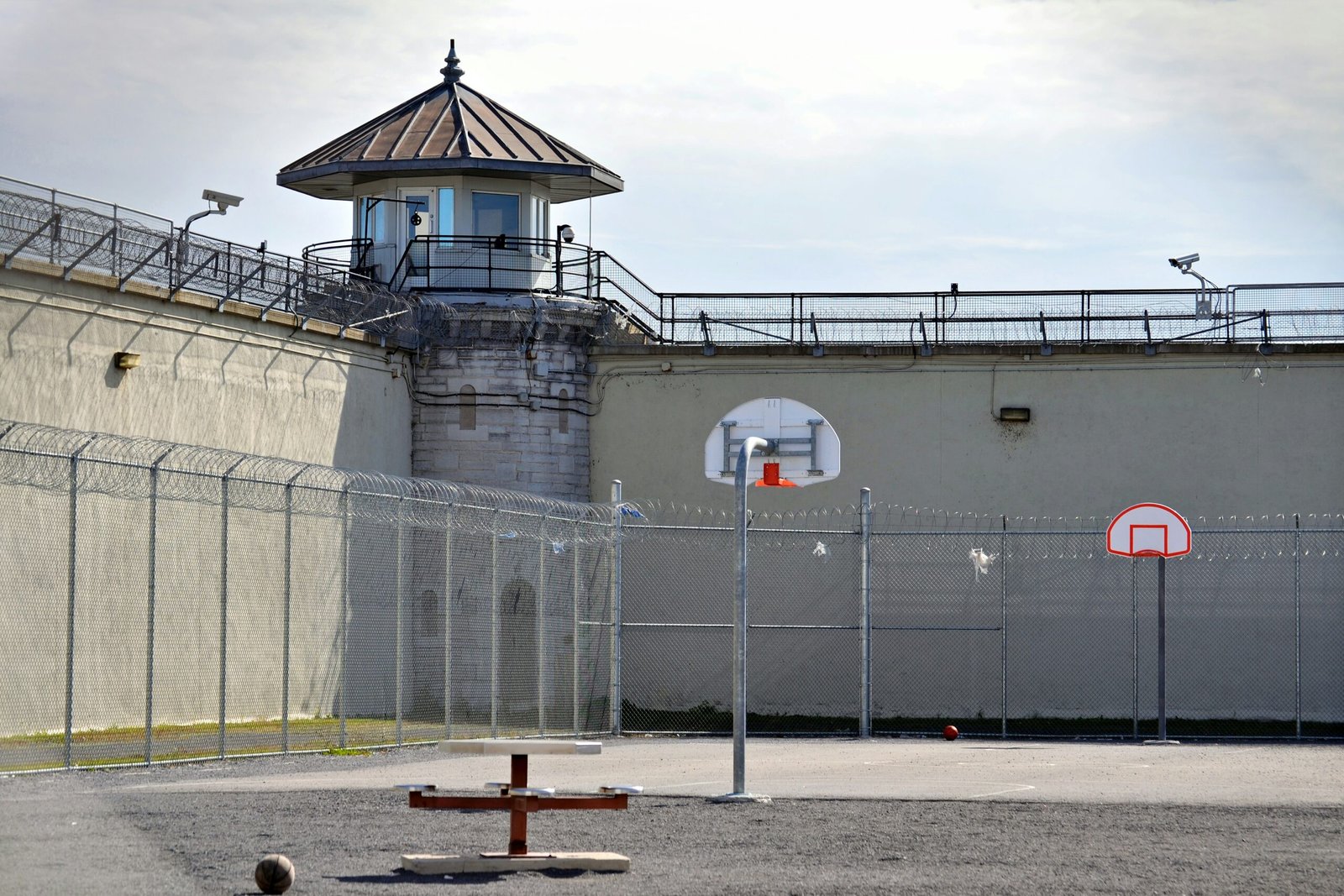
Medical experts and custody researchers warn that prolonged intervals between evaluations allow hazardous conditions to go unchecked. Historical agency data proves the necessity of rigid tracking: since 2019, nearly 90% of all official compliance audits flagged at least one structural deficiency. These documented failures span a wide spectrum of safety issues, including inadequate suicide prevention checks, unsafe food storage temperatures, and use-of-force filing violations.
In May, severe complaints regarding spoiled food rations and substandard medical attention provoked a hunger strike at New Jersey’s Delaney Hall facility. Meanwhile, a separate federal watchdog probe uncovered dangerously neglected living conditions at Camp East Montana in El Paso, the agency’s largest active holding center. Compounding the risk, many point out that the administration has simultaneously cut independent investigative departments, such as the Office of the Immigration Detention Ombudsman, leaving vulnerable populations with virtually no channel to report guard misconduct or severe medical neglect.
My Opinion
When an agency’s own historical data shows that 90% of its facilities fail to meet baseline standards during routine checks, the logical response is to step up monitoring, not scale it back. Relying on local county jails to grade their own homework via self-inspections is an absolute farce. It is incredibly funny to openly admit that you are watering down safety standards and reducing inspections just to sweeten the deal for local sheriffs who want federal funding. People are dying in federal custody at rates not seen in years, and hiding the decline behind a wall of administrative silence doesn’t make the facilities safer; it just ensures that the next preventable tragedy will happen entirely in the dark.
Bottom Line
A spokesperson for the Department of Homeland Security defended the updated strategy, stating that the agency maintains a robust compliance structure designed to enforce contractually obligated safety benchmarks across all operational zones. The agency also emphasized that every single dedicated detention facility remains scheduled to complete an audit before the current fiscal year concludes on September 30. Nevertheless, with independent legal groups actively suing the federal government over the dismantling of civil rights oversight, the political standoff surrounding these ICE facilities overdue for annual inspections, will likely intensify as independent lawmakers attempt to force their way into the centers to conduct private safety reviews.