British Prime Minister Andy Burnham has begun his tenure with a series of policy announcements that highlight the difficult balancing act between easing the cost-of-living crisis and restoring confidence in the United Kingdom’s public finances.
Within his first 24 hours in office, Burnham unveiled measures aimed at supporting households while also signalling fiscal discipline to investors concerned about the country’s growing debt burden.
One of his first major appointments was naming former Defence Secretary John Healey as Chancellor of the Exchequer. Healey, who previously served in the Treasury under former Prime Minister Gordon Brown, is widely regarded as a figure committed to keeping government borrowing under control.
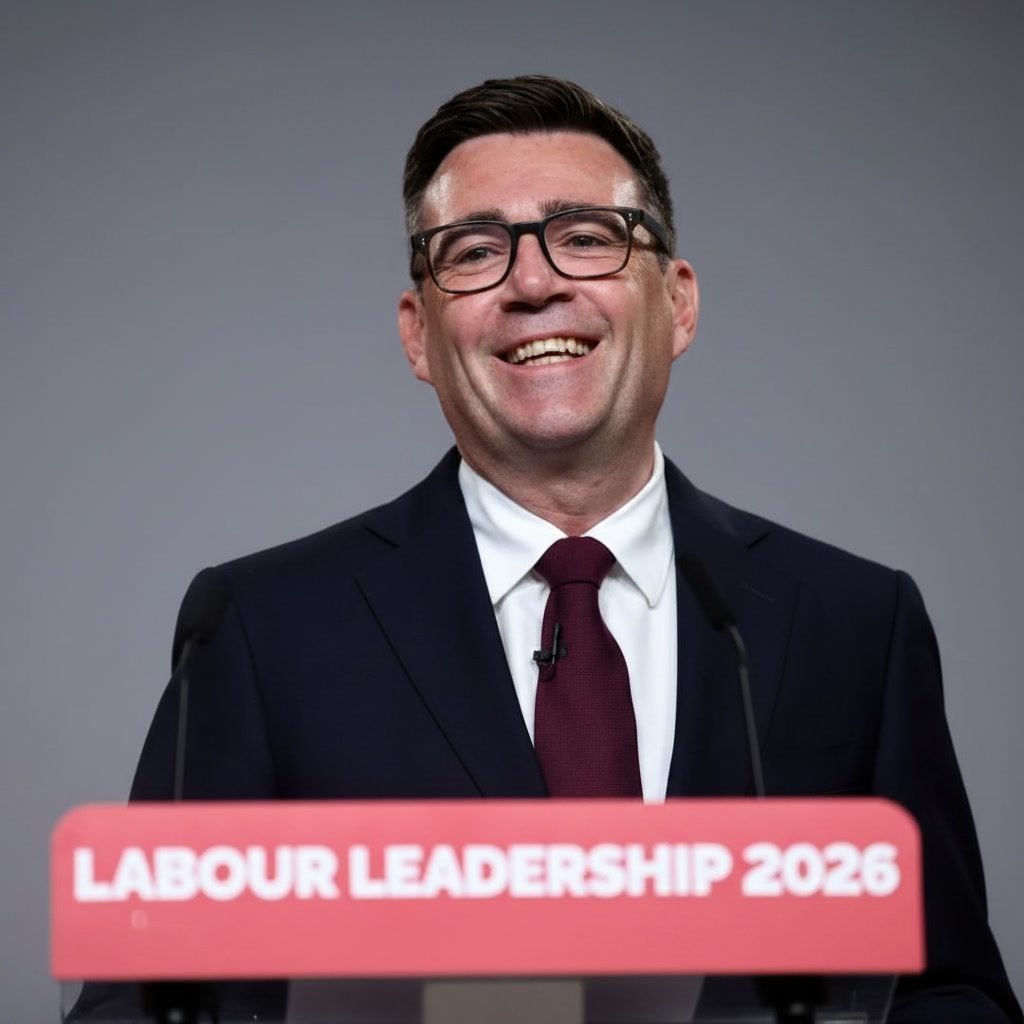
The new administration also announced plans to suspend the tax on household electricity consumption for at least six months from October, a move expected to save the average household about £45 annually.
To reassure financial markets, the government said the tax relief would be funded by abandoning plans to introduce a digital identity programme, rather than through additional borrowing.
“Healey has a daunting task on his hands,” said Victoria Scholar, Head of Investment at Interactive Investor.
“The government has ambitious plans to tackle cost-of-living pressures … but he faces a very difficult set of public finances to carry these expensive plans through.”
Burnham inherits an economy that has struggled to regain strong growth since the 2008 global financial crisis. Since 2009, Britain’s economy has expanded by less than 1.5 per cent annually on average, compared with roughly 3 per cent before the crisis.
The new prime minister received some encouraging news after official figures showed inflation eased to 2.6 per cent in June, its lowest level in 15 months, helped by falling food and fuel prices. However, economists warn that the ongoing conflict in the Middle East could push energy prices higher again.
The government also faces mounting fiscal pressure, with public debt now exceeding 95 per cent of gross domestic product. Interest payments on government debt reached more than £111 billion in the last financial year, consuming a significant share of public spending.
Burnham must also contend with increased defence spending commitments after Britain pledged to raise military expenditure to 3.5 per cent of GDP by 2035, a move expected to cost about £36 billion annually.
“We should absolutely acknowledge that these constraints are structural,” said Olivia O’Sullivan of Chatham House.
“They would be tough for any prime minister at this time.”
Analysts say stronger economic growth remains central to Burnham’s plans, as it would increase government revenue without raising taxes or cutting key public services.
The prime minister has proposed revitalising Britain’s industrial base by encouraging investment outside London, expanding public housing projects and supporting small and medium-sized businesses, which account for the majority of private-sector employment.
Despite those ambitions, Burnham has promised not to increase taxes on working people and has pledged to preserve Labour’s “triple lock” guarantee, which ensures state pensions rise annually by whichever is highest among inflation, wage growth or 2.5 per cent.
Former Goldman Sachs chief economist Jim O’Neill urged the new prime minister to take bold action to address Britain’s long-term financial challenges.
“We need somebody that’s prepared to do something bold and different,” he said.
O’Neill added that Burnham “has got the same challenge that everybody else seems to avoid and that’s doing something about things like welfare, stop this never-ending spectacular rise in the spending on NHS. … Do something about the triple lock, etc., etc., and get out of this weird sort of prison of being owned by every little small group that opposes anything anybody wants to do.”