Maryland Gov. Wes Moore warns of Trump midterm election interference as he takes over leadership of the National Governors Association. The Democratic governor expressed deep worry that the federal government will be used to disrupt state voting procedures this fall. Instead of waiting for potential issues to pop up during the midterms, Moore pointed out that administrative pressure on state-level election rules is already happening out in the open.
Midterm Election Interference
Governors across both parties face growing friction over how local elections ought to run. Moore highlighted several specific areas where federal actions threaten to overrule state authority.
Mail-In Ballots: New federal restrictions and tight deadlines threaten to disqualify legitimate votes.
State Data Requests: Federal agencies are pushing to collect detailed voter databases from individual states.
Federal Presence at Polls: The potential deployment of federal personnel or law enforcement near voting locations risks intimidating voters.
As NGA chair, Moore believes bipartisan cooperation among state leaders is essential to protect constitutional rights. Under the U.S. Constitution, states run elections, not Washington.
My Opinion
It is hard to take either side at 100% face value when midterms are right around the corner.
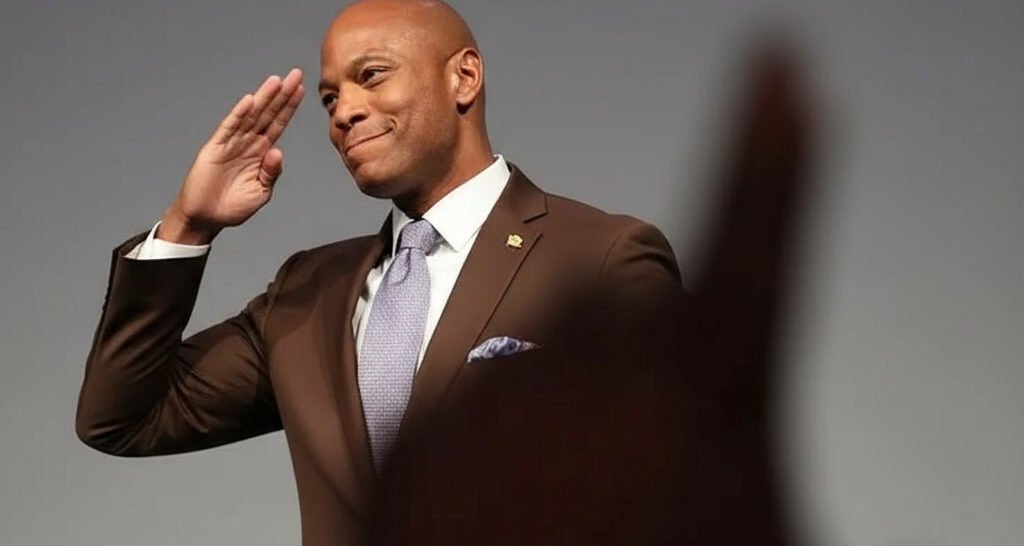
Gov. Wes Moore’s warning of Trump midterm election interference and his core argument on constitutional state rights make sense. State governors, regardless of party, should keep federal overreach away from local polling places.
The U.S. Constitution deliberately gave states control over elections precisely to prevent a sitting president from rigging the system in their own favor. However, we also have to call out the obvious political timing. Wes Moore is taking the helm of the National Governors Association, traveling to early primary states like South Carolina and Nevada, and quietly building a national profile for 2028. Framing himself as the chief defender of American democracy against Trump is a classic campaign play.
Meanwhile, Republicans claim they only want stricter voter ID rules and standard deadlines. But pushing heavy-handed federal mandates on states contradicts traditional conservative principles about local control. Both parties tend to flip-flop on “states’ rights” whenever it benefits their current political goals. Real voter protection requires clear, transparent rules, not political posturing from either side.
What Happens Next
As the midterms draw closer, state governors will serve as the primary shield against unwanted federal mandates, especially Trump’s interference. While Democrats sound the alarm on voter suppression, Republicans continue demanding tighter security rules. How state leaders balance these conflicting pressures will determine voter trust in the upcoming elections.