It is a groundbreaking move for North African leadership, as Morocco names its first female Prime Minister. King Mohammed VI officially appointed 50-year-old attorney and Urban Planning Minister Fatima Zahra Mansouri to head the government after her centrist Authenticity and Modernity Party (PAM) secured the most votes in recent parliamentary elections. This milestone makes Mansouri the first woman to lead Morocco’s government and only the second female Prime Minister in Arab world history.
Election Victory and Coalition Building
Mansouri’s party achieved its first parliamentary victory since its founding in 2008, capturing one million votes. Under Morocco’s constitutional system, the king appoints the Prime Minister from the winning political party, a rule introduced following the 2011 Arab Spring reforms. Because no single party won an absolute majority, Mansouri now faces the key challenge of building a viable governing coalition. While PAM remains open to working across the political spectrum, certain factions, including the moderate Islamist Justice and Development Party and the Federation of Democratic Left, have already chosen to stay in opposition.
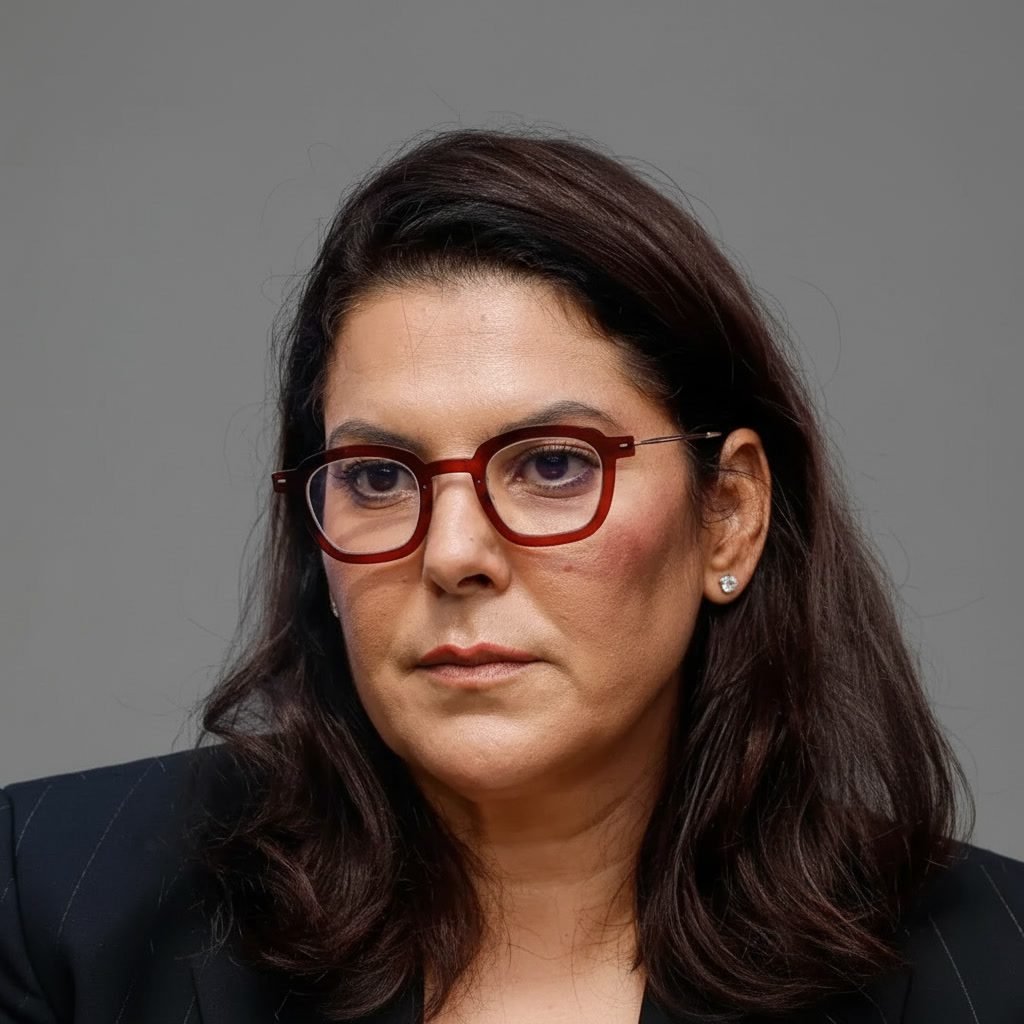
Background and Public Profile of Fatima Zahra Mansouri
Before her appointment, Mansouri established a notable career in public service and law. A law graduate from the University of Montpellier in France, she previously served two terms as the mayor of Marrakech and worked as a member of parliament. She is the daughter of Abderrahmane El Mansouri, a former ambassador and regional official. Throughout her career, she has pushed for political modernization, though she recently faced defamation attempts involving land transaction claims in Marrakech, which she strongly denied and took legal action against.
Economic and Social Priorities
The incoming administration under the Moroccan female Prime Minister enters office during a crucial transition period. The new government will oversee massive infrastructure investments ahead of co-hosting the 2030 FIFA World Cup, while simultaneously addressing pressing domestic issues such as youth unemployment, rising inflation, and wage improvement. Mansouri’s leadership will be closely watched as she attempts to balance ambitious global developments with pressing social reforms.
Opinion
The appointment of Fatima Zahra Mansouri as Morocco’s first female Prime Minister is a genuine landmark moment, not just for the kingdom but for the wider region. For decades, politics across North Africa and the Middle East has been dominated almost entirely by men, so seeing a woman take the top executive office breaks a long-standing psychological ceiling. It sends a clear message to millions of women across the continent that high-level governance is well within reach.
However, symbolic progress must quickly translate into real, practical results. Mansouri inherits a nation where young people are eager for steady employment, better wages, and lower living costs. Managing the huge investments for the 2030 FIFA World Cup while also addressing daily economic struggles will require strong leadership and clever political compromise, especially when holding together a diverse coalition. If her government can deliver on economic stability while expanding social freedoms, her tenure could mark a lasting turning point rather than just a historical footnote.