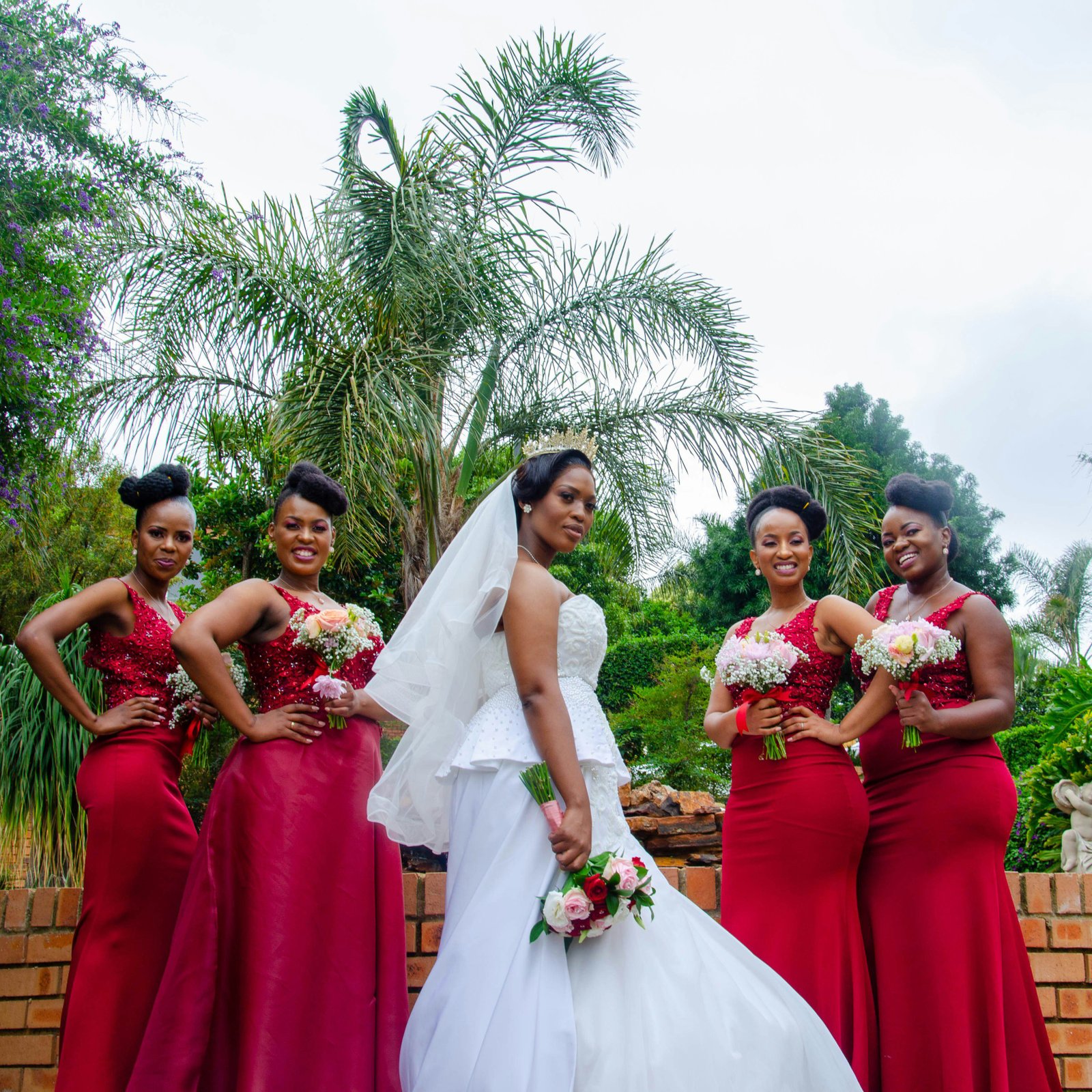

There is a moment at every Nigerian wedding when the bride’s friend—the one who has spent the last three weeks coordinating fabrics, tailors, and gele appointments—finally sits down and adds up what she has spent. The number stares back at her. And she wonders how it got this high.
The question nowadays when you accept to be an asoebi girl is no longer: “Can you afford to be an asoebi?” It is now: “How much are you willing to lose?”
The Numbers: What the Data Actually Says
The Emir of Zazzau, His Highness Ambassador Ahmed Nuhu Bamalli, recently advised parents to stop spending lavishly on weddings. His specific complaint: “To buy asoebi for half a million Naira, N200,000 or N300,000, which is totally unacceptable as far as I am concerned”.
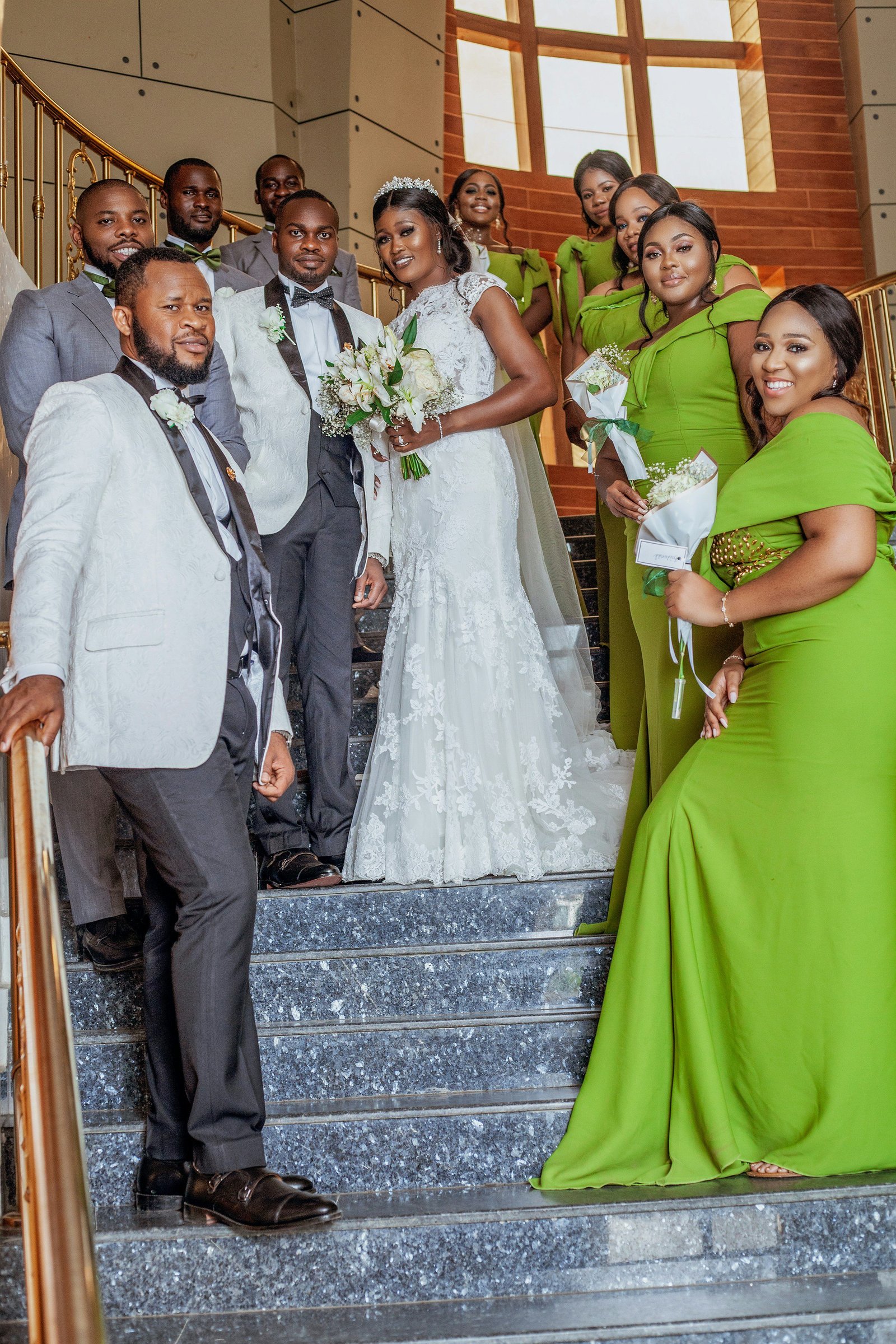
For the wedding of content creators Jarvis and Peller, a viral price list circulated online with the following options: ₦350,000 for 4 yards, ₦700,000 for 8 yards, and ₦1,000,000 for 12 yards. Nollywood actor Jide Awobona responded with a joke: “Seems I need to start Akara and Kuli Kuli business. How can I afford this now?”.
The Full Breakdown: One Asoebi Guest’s ₦2.19 Million Bill
After the Jarvis and Peller wedding, an asoebi guest shared a detailed video breaking down her total spend: ₦2,190,000. Here is where it went:
- Asoebi fabric: ₦350,000
- Custom dress: ₦400,000
- Videography: ₦300,000
- Photography: ₦200,000
- Pre-wedding studio shoot: ₦75,000 per hour
- Pre-wedding hairstyle: ₦100,000
- Wedding day hairstyle: ₦60,000
- Makeup: ₦60,000
- Gele tying: ₦50,000 (twice)
- Jewellery: ₦60,000
- Earrings: ₦50,000
- Purse: ₦40,000
- Nails: ₦50,000
The Broader Range: What Experts Say
While ₦2.19 million is an extreme example, it reflects a broader trend. A breakdown from a reputable Nigerian lifestyle platform shows the following ranges:
- Asoebi fabric: ₦30,000 to well over ₦100,000
- Tailoring: ₦20,000 to ₦200,000 (or ₦80,000 to ₦1,000,000 for a high-end designer)
- Makeup: ₦20,000 to ₦100,000 (and ₦80,000 to ₦150,000 for a premium artist)
- Shoes and bag: ₦15,000 to ₦200,000
A single wedding can now cost anywhere from ₦150,000 to ₦600,000. And for luxury events, the upper range stretches far higher.
Why Is It So Expensive?
The rising cost of asoebi is not happening in a vacuum. The fabric itself has become significantly more expensive. A trader told Newspot that a bundle of Aso-Oke that sold for ₦4,500 several years ago now costs around ₦23,000. A weaver in Ilorin said a pack of thread rose from ₦22,000 in 2022 to about ₦120,000 in 2026, largely due to imported raw materials.
These fabric price increases reflect broader economic pressures. Nigerian inflation has been climbing, with annual inflation reaching 15.4% in March 2026, driven partly by energy price increases.
But the economics alone do not explain why people keep paying. Asoebi is not just fabric. It signifies belonging, shows visibility and gives one presence. The price is not only for the cloth but also for the seat at the table.
The Cost of Saying No
The asoebi system has a logic that transcends economics. When you buy the fabric, you are buying your place in the celebration. When you turn down the fabric, you are communicating something else—distance, detachment, or even slight.
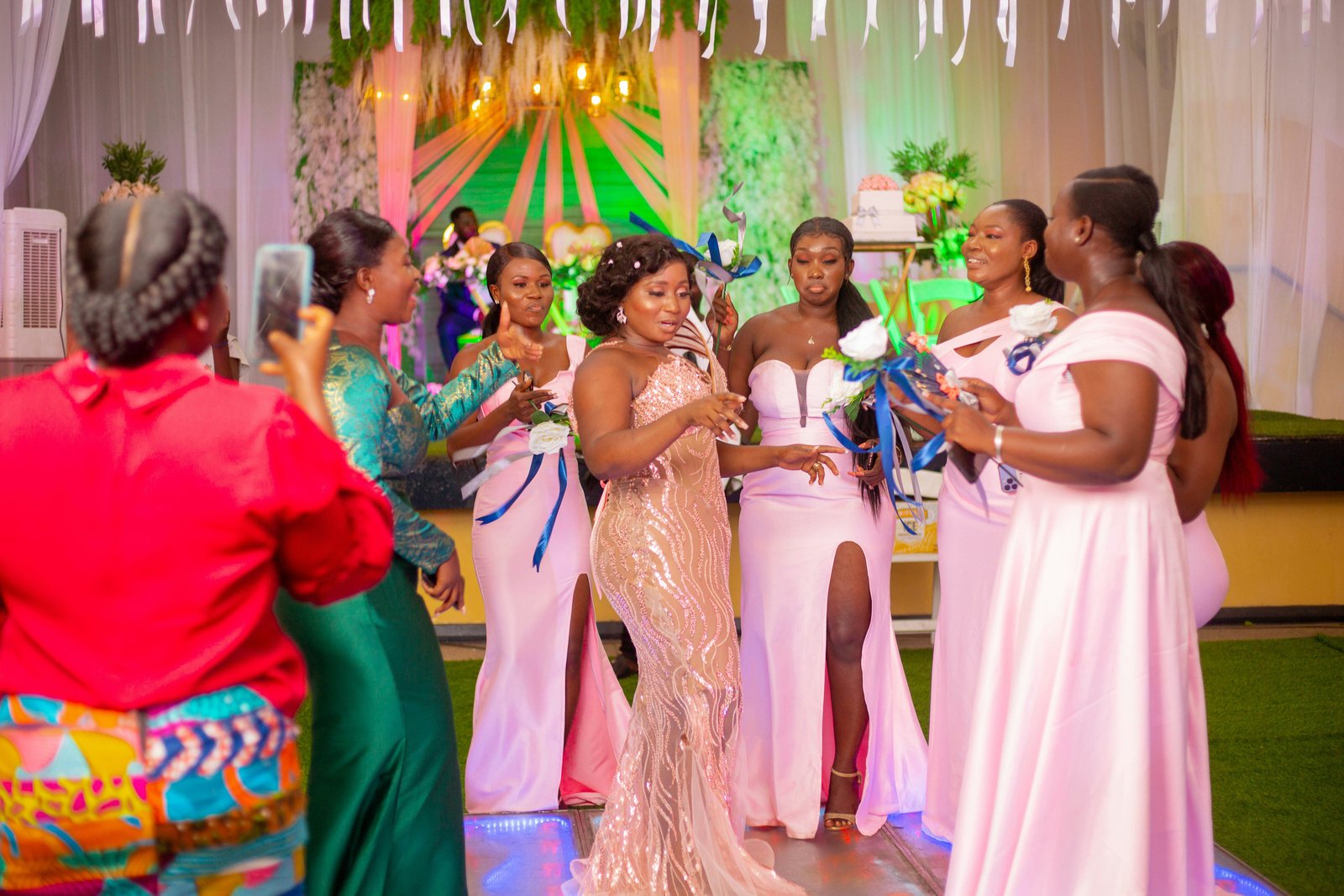
This is why the Emir of Zazzau’s comments matter. He is not just talking about money. He is talking about a cultural practice that has outgrown its original purpose. He has never spent a dime on asoebi, he said, and he sees no reason to start.
His intervention is significant because it comes from within the culture, not from outside it. And it suggests that even the custodians of tradition are beginning to wonder whether the cost has become too high.