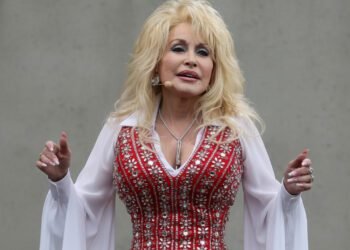
Dolly Parton’s death has marked the end of an extraordinary life and career that made her one of the most beloved figures in American entertainment.
The country music icon, who died Tuesday, built a career that extended far beyond music. She was celebrated as a singer, songwriter, actress, philanthropist, entrepreneur and theme park owner, while her distinctive style and larger-than-life personality made her instantly recognisable across generations.
Despite standing at just 5-foot-nothing, Parton had an enormous cultural presence. Her appeal crossed boundaries of gender, race and social class, earning her an unusually devoted following around the world.
Parton was also known for combining humour with her talent. She could move effortlessly from a cheeky joke to a heartfelt performance of one of her own songs, displaying both her sharp wit and remarkable songwriting ability.
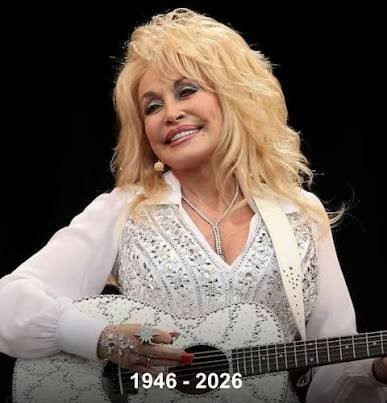
Her influence extended beyond entertainment. Throughout her career, Parton used her success and resources to support others, making philanthropy an important part of her legacy. Her approach was rooted in a simple belief: whatever you have, you should use it to help someone else.
Her status as a beloved entertainer was evident throughout her career. In 2015, when she returned to Nashville’s Ryman Auditorium, Grand Ole Opry announcer Bill Cody introduced her as “the most beloved artist of all time” before correcting himself to “female artist.”
Looking back, the first description arguably captured the scale of Parton’s popularity.
Much of her enduring legacy rests on her songwriting. She transformed personal experiences, hardship, love and heartbreak into songs that resonated with millions of people.
Among her best-known works are “Jolene,” “Coat of Many Colors” and “Little Sparrow.” Her songwriting also produced “I Will Always Love You,” which reached an even wider audience after Whitney Houston recorded her hugely successful version of the song.
Parton’s extraordinary journey began in poverty in rural Sevier County, Tennessee, where she was raised as one of 12 children.
She developed a passion for songwriting from an early age and reportedly began writing songs as a toddler. By the time she was 10, she was already appearing on radio and television in Knoxville.
At just 13, Parton made her debut at the Grand Ole Opry, setting her on a path towards becoming one of country music’s most influential performers.
Her career gained another major boost at 21 when she joined “The Porter Wagoner Show.” Her talent and growing popularity soon became so significant that her star power began to overshadow that of her host.
From humble beginnings in East Tennessee, Parton went on to become an international icon whose influence stretched across music, film, business and philanthropy.
Her ability to turn personal struggles into enduring art, while using her success to improve the lives of others, remains at the heart of the legacy she leaves behind.