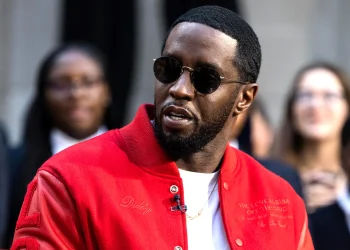
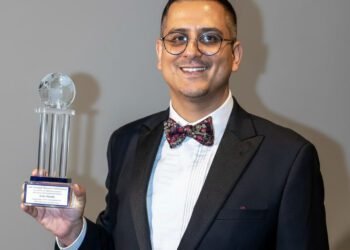
The debate over representation, collaboration and support in Nollywood has resurfaced following separate comments by actors Zuby Michael and Francis Duru about the position of Igbo creatives in Nigeria’s film industry.
The two actors approached the subject from different perspectives, with Zuby Michael focusing on mentorship and competition, while Francis Duru examined the role of organisation, collective support and investment in determining how strongly a group is represented in the industry.
Their comments have sparked wider conversations about the structures that help talents succeed, the importance of cultural storytelling and the need for established professionals to create opportunities for upcoming creatives.
Zuby Michael On Mentorship And Competition
Zuby Michael suggested that fear of creating future competitors could be one reason some Nollywood executives are reluctant to support or mentor Igbo talents.
Speaking during an interview with Broadway TV, Zuby Michael argued that Igbo creatives are often capable of learning quickly and turning acquired knowledge into independent careers.

According to Zuby Michael, some established professionals may worry that the people they mentor could eventually surpass them or establish businesses that compete with theirs.
“Igbo people are fast learners and they are capable of making it big with just a little,” Zuby Michael said.
He explained that a person could learn within a short period what took an established professional several years to master.
“You might decide to mentor an Igbo person and what took you 10 years to learn, he will learn it in one year and six months,” he added.
Zuby Michael said the situation could become more complicated if the relationship between a mentor and mentee deteriorates.
“And if you don’t treat him well, he will leave you and start doing the same business you taught him and become your competition. So, people are scared of that,” he said.
Zuby Michael also stressed that he did not believe the issue was limited to executives from other ethnic backgrounds. He claimed that some Igbo executives could also hesitate to support fellow Igbo creatives because of concerns that a mentee might eventually outshine them.
“Industry executives, including some Igbos, don’t like supporting Igbos because they feel like they will get betrayed by their mentee outshining them,” he explained.
Francis Duru Highlights Collective Support
Francis Duru offered another perspective on the issue, focusing on the way communities support their talents and promote their cultural stories.
While discussing the evolution of Nollywood, Francis Duru acknowledged the contributions of Igbo Nigerians during the home-video era of the 1990s and early 2000s.
However, he argued that Yoruba creatives have subsequently demonstrated a stronger culture of collective support and organisation, helping their actors, filmmakers and stories gain greater visibility.
“We [Igbos] created Nollywood, but if you go to Netflix today, you hardly see one movie that speaks of Igbo heritage,” Francis Duru said.
He contrasted this with what he believes is a deliberate effort among Yoruba creatives to create opportunities for members of their community.
“The Yorubas, on the other hand, created opportunities for themselves and utilised them,” he added.
For Francis Duru, the challenge is not necessarily a shortage of talented Igbo creatives but the failure to build structures that can support and promote them collectively.
‘Charity Begins At Home’
Francis Duru urged Igbo creatives to adopt a stronger approach to supporting their own people, arguing that communities must actively promote their talents and cultural heritage.
“The Yorubas epitomise the saying, ‘Charity begins at home.’ We need to learn from them. If you don’t protect and project your own, who will do it?” he said.
He also questioned the limited number of major productions based on the lives and achievements of prominent Igbo figures.
“When was the last time you saw the epic of one of these great men?” Francis Duru asked.
The actor further expressed concern that Igbo stories could sometimes be handled by creatives from outside the culture, while talented Igbo writers and filmmakers have opportunities to tell stories from other cultural backgrounds.
Beyond Ethnic Differences
The views expressed by Zuby Michael and Francis Duru ultimately point to broader issues within Nollywood, including mentorship, investment, collaboration and access to opportunities.
While Zuby Michael’s argument centres on the possibility that successful professionals may fear creating competitors, Francis Duru believes stronger internal organisation and collective investment could improve the visibility of Igbo creatives and stories.
Both perspectives also raise questions about the responsibilities of established industry figures towards emerging talents.
For young actors, writers, directors and producers, mentorship can provide valuable knowledge and industry connections. At the same time, established professionals may benefit from developing younger talents who can contribute new ideas and expand the industry.
Building A Stronger Nollywood
As Nollywood continues to grow internationally, cultural representation is becoming increasingly important. Nigerian audiences and international viewers are consuming stories from different parts of the country, creating opportunities for filmmakers to showcase diverse histories, traditions and experiences.
The conversation surrounding Igbo representation therefore extends beyond who dominates the industry. It also raises questions about who controls the stories being told, who receives investment and how communities can preserve their cultural identities through film.
For Zuby Michael, addressing concerns surrounding mentorship and competition could help more talents receive opportunities. For Francis Duru, greater organisation and collective support could enable Igbo creatives to build stronger platforms for themselves.
Ultimately, their comments have drawn attention to the need for an industry where talent can thrive regardless of background, while Nigeria’s different cultural communities continue to develop and promote their stories.
The future of Nollywood may depend not only on individual success but also on the ability of established professionals and emerging creatives to collaborate, share knowledge and create opportunities that allow more Nigerian stories to reach wider audiences.