The Office of People’s Counsel (OPC) has asked the Maryland Public Service Commission (PSC) to order Baltimore Gas and Electric (BGE) and Delmarva Power to return more than $32 million in excess revenue collected from customers.
Both utilities, which are subsidiaries of Exelon Corporation, disclosed the additional collections in annual filings submitted as part of their multi-year rate plans, according to the OPC.
BGE reported approximately $28 million in overcollections, while Delmarva Power reported another $4.27 million.
The OPC said the PSC had previously directed Delmarva Power to refund customers when annual filings showed that the utility had collected more revenue than the commission had authorised based on its projections.
After reviewing the latest figures, the consumer advocacy office asked both companies to refund the excess money. However, BGE and Delmarva declined, citing provisions contained in Maryland’s recently enacted Utility Relief Act.
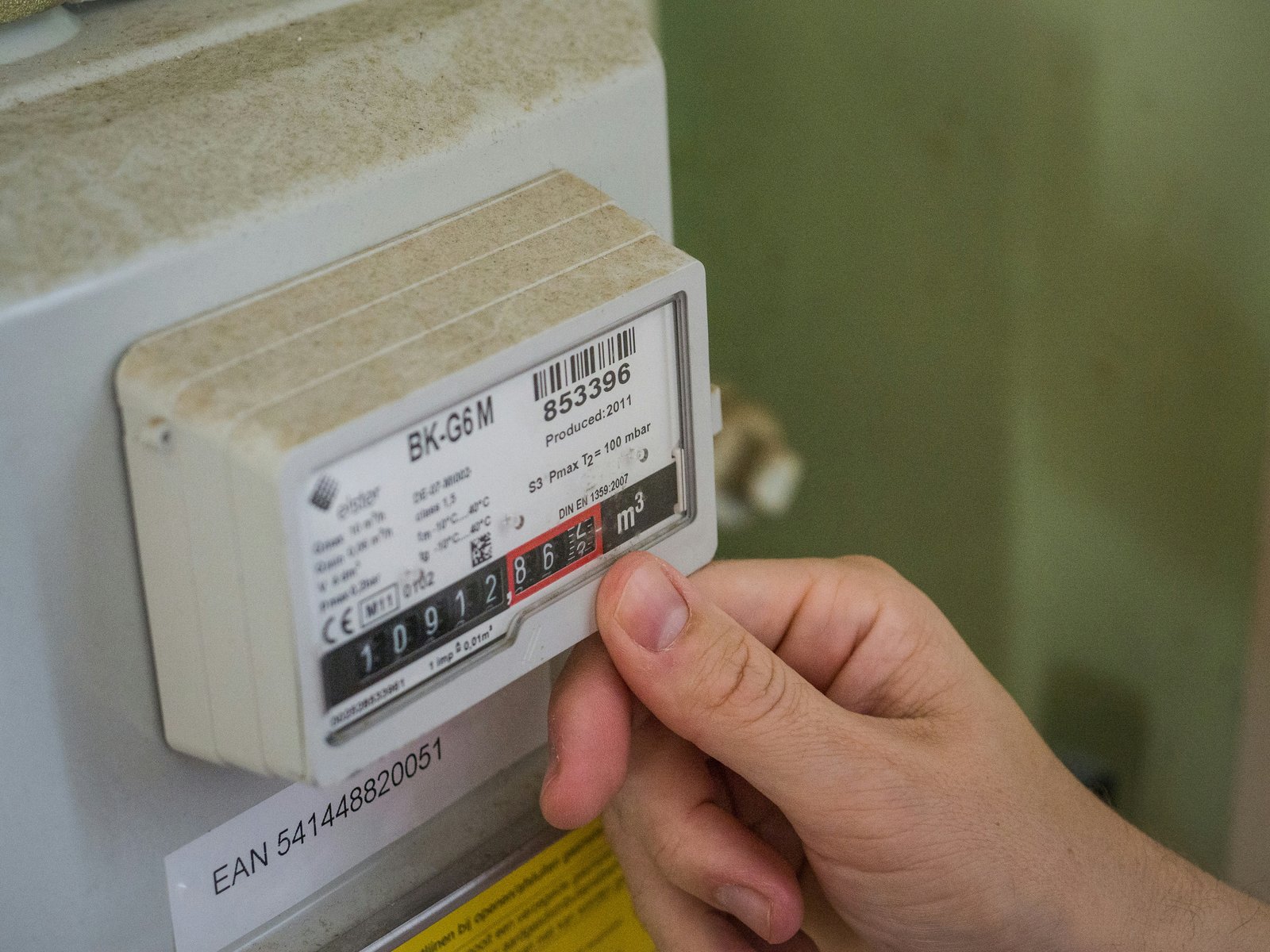
OPC People’s Counsel David Lapp argued that the commission already has a framework for addressing situations where utilities collect significantly more revenue than necessary under their approved rate plans.
“The PSC established a framework to prevent utilities operating under a multi-year rate plan from benefitting—at ratepayer expense—from inaccurate cost forecasts that result in higher rates than necessary,” Lapp said in a statement.
He added that the existing framework allows rate adjustments when there is a significant difference between a utility’s revenues and expenses that disadvantages customers.
“That is the case here, and the PSC should require BGE and Delmarva Power to refund the excess revenues the utilities collected from customers,” Lapp said.
The OPC said the utilities’ refusal to issue refunds was part of a broader pattern of actions that it believes could weaken protections designed to improve affordability for Maryland consumers.
The agency initially submitted comments to the PSC in July requesting that refunds be ordered. On August 21, it filed additional comments after BGE and Delmarva argued that the Utility Relief Act removed the commission’s authority to order refunds for the reported overcollections.
The OPC has now submitted further comments challenging the utilities’ interpretation of the legislation and requested a hearing on the dispute.
“By refusing to issue the refunds customers deserve, the Exelon utilities seek to subvert both the preexisting MRP process unaffected by legislation and the letter and intent of recent legislation,” Lapp said.
“The utilities are trying to keep funds over-collected from customers rather than return them to customers, contrary to Exelon’s statements about being focused on customer affordability.”
BGE and Delmarva Power, however, rejected the OPC’s interpretation of the law and said important information had been left out of the discussion.
In a joint statement, the utilities argued that the Utility Relief Act permits adjustments only on a forward-looking basis for multi-year plans requested and approved after January 2026.
“The Utility Relief Act, enacted by the Maryland General Assembly earlier this year, allows this type of adjustment only on a going-forward basis for multi-year plans requested and approved after January 2026, not retroactively to 2025 results,” the companies said.
They maintained that an after-the-fact review aimed at refunding the 2025 overcollection was no longer permitted under the current law.
BGE also pointed out that its reported figures covered both gas and electricity services. While the company recorded an overcollection of gas revenue in 2025, it said the amount was outweighed by an undercollection from its electric operations.
“Our customers are feeling pressure from rising everyday costs, including energy bills, and we do not take those concerns lightly. We also share the goal that customers should pay only what is authorized under Maryland law,” the companies said.
BGE and Delmarva Power added that they would continue to comply with Maryland law and any final orders issued by the PSC.
The utilities said they would also work with regulators, policymakers and community organisations to address affordability concerns while ensuring they could continue providing safe and reliable electricity and gas services to customers.