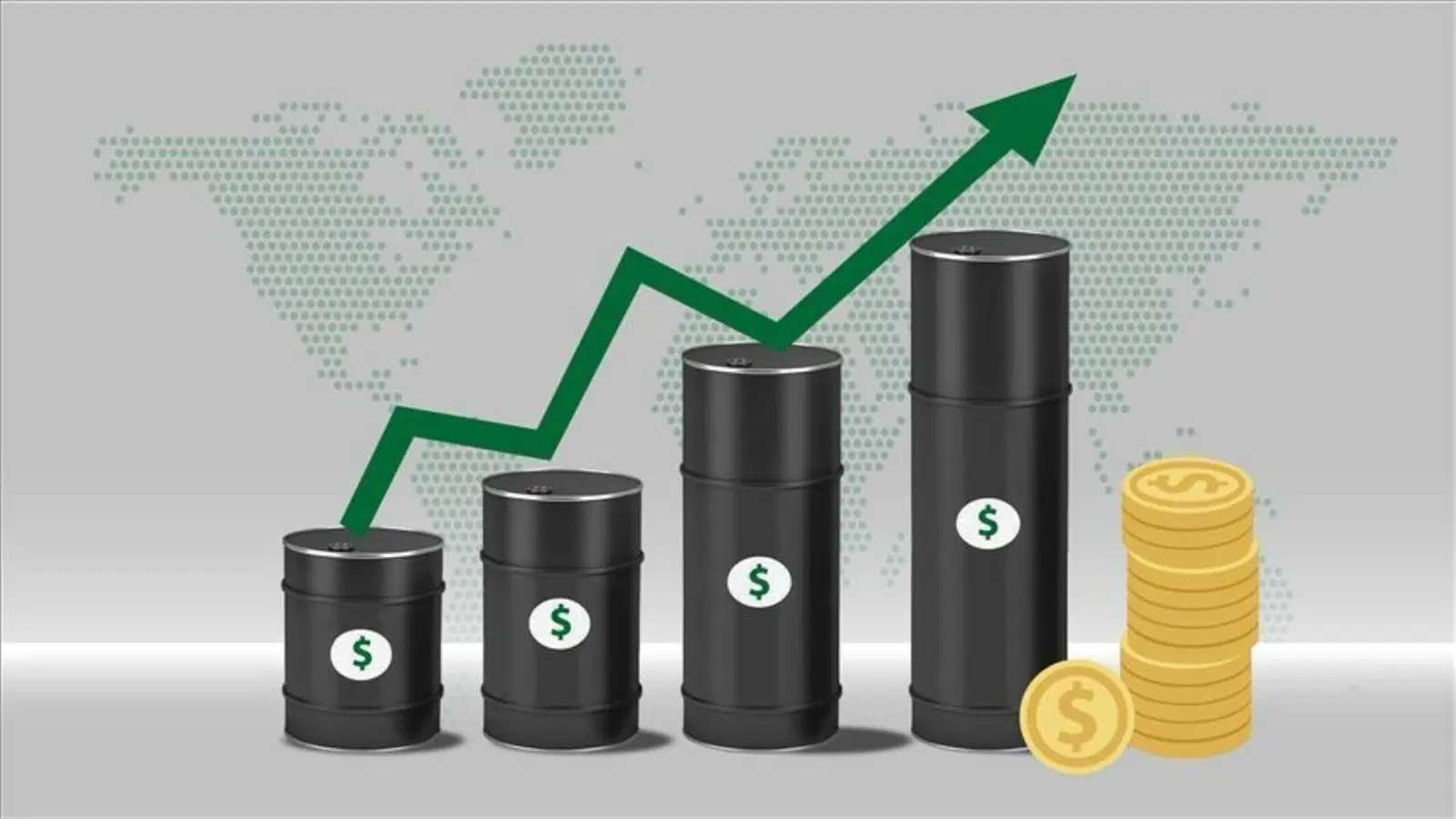

The cost of crude oil has officially passed $100 a barrel, hitting its highest level in months. This price jump comes as a direct result of the escalating military conflict between the United States, Israel, and Iran. For millions of regular working families, this oil spike is a heavy financial blow. Drivers across the nation are now seeing gas prices jump past $4.22 a gallon, with some states suffering through prices well above $5. The sudden surge exposes the deep gap between reality and President Donald Trump’s promises to deliver cheaper fuel.
The Reality at the Pump vs. The $2 Gas Promise
During his campaign and throughout his term, President Trump repeatedly promised that his policies would bring energy bills down. He told voters that Americans would soon see $2 gas at the pump.
Instead, the exact opposite has happened. Gas prices have steadily climbed to record highs, hitting hard over recent holidays and pushing transportation costs up across the board. Diesel prices have shot up near $5.90 a gallon. Because trucks carry food and store goods, high diesel prices are making everyday groceries more expensive. Facing public anger, President Trump posted on social media claiming prices will drop to $3 and eventually “below Two Dollars a gallon” after the U.S. wins the war with Iran.
Blaming the War: How White House Policy Drove Up Oil Prices
While the White House blames foreign enemies for high energy costs, energy analysts point directly to President Trump’s aggressive foreign policy and military actions. The U.S. and Israel launched military strikes against Iran, turning a dangerous situation into an all-out regional war. The fighting has paused trade through the Strait of Hormuz, a narrow waterway where 20% of the world’s oil flows. Recent attacks on oil tankers and regional fuel facilities have cut off global supplies, sending oil market prices soaring past $100. The administration originally suggested the conflict would be resolved in weeks, but months later, military exchanges continue to escalate with no clear end date.
By dragging the nation into a major Middle Eastern conflict, the administration created the very supply shocks that made cheap energy impossible.
Opinion
Promises are easy to make on a campaign stage, but actions have real-world consequences. Promising $2 gas while launching a military campaign in the heart of the world’s primary oil-producing region is a direct contradiction.
American households have already absorbed an estimated $100 billion in extra energy costs since the conflict began. That works out to over $700 in added expenses for the average family. Telling voters to wait for an uncertain military victory while their bank accounts are drained by $4 and $5 gas shows a complete disconnect from the financial struggles of everyday people. The war in the Middle East was a choice, and working-class families are paying the price at the pump every single day.