
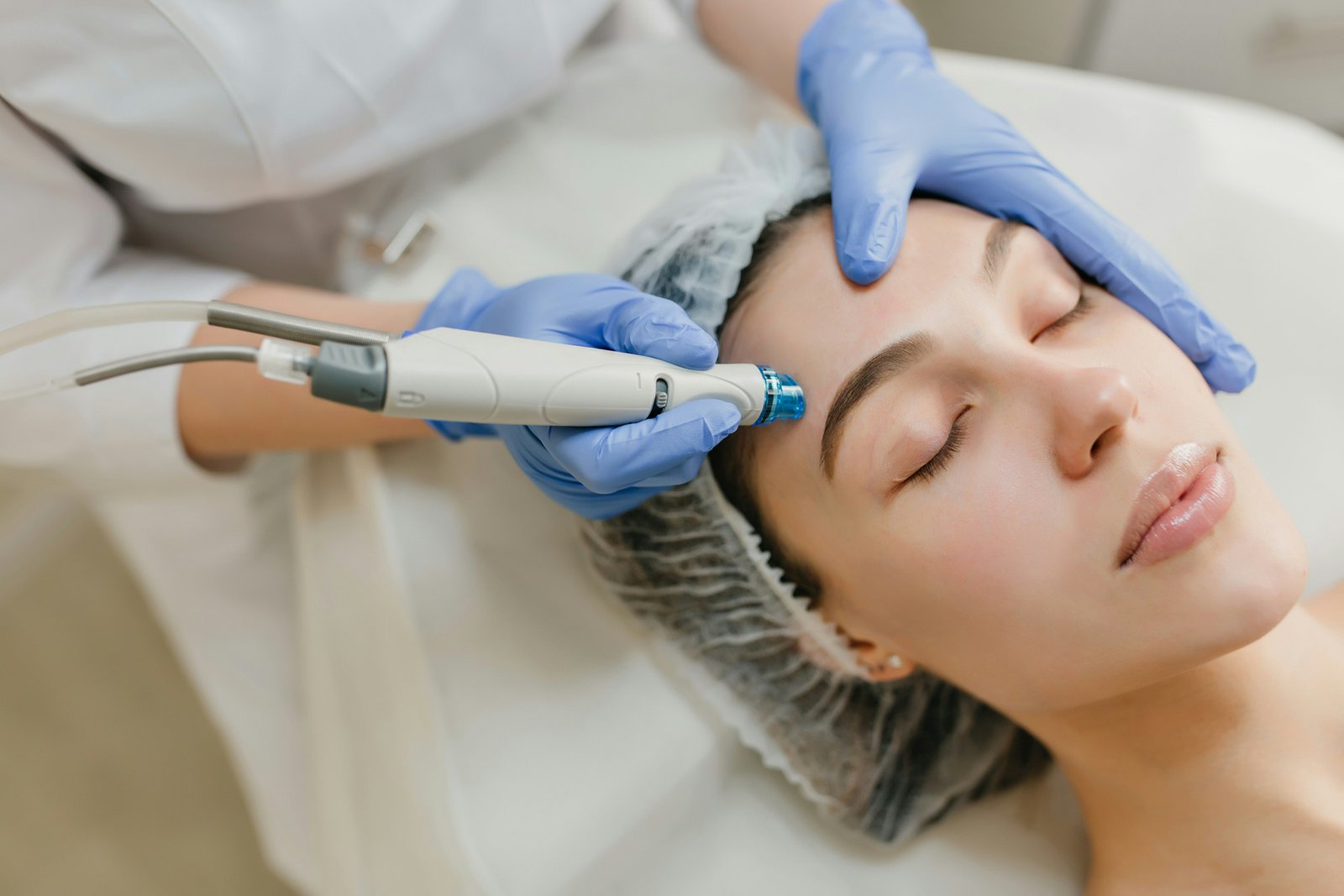

The beauty industry does not want you to know that your expensive serum and your dermatologist’s laser are not at war. They are just not doing the same job.
Your serum works on the surface. It hydrates, it protects, and it makes your skin look decent for the day ahead. Your dermatologist’s laser, on the other hand, goes deeper to fix the things your serum cannot touch, e.g., stubborn pigmentation, acne scars, and the kind of sagging that no cream can lift.
One maintains while the other corrects. Confusing the two is how people end up spending a lot of money on products that were never designed to solve their actual problem.
The Basic Breakdown
To further break it down, think of it like dental care. You brush and floss every day. That is skincare. You go to the dentist for a filling or a cleaning. That is a clinical treatment.
Skincare is what you do at home. Cleanser, moisturiser, SPF, serums. It works on the surface of your skin. It keeps it hydrated, protected, and looking decent day to day. The results are gradual. You see changes over weeks or months, not overnight.
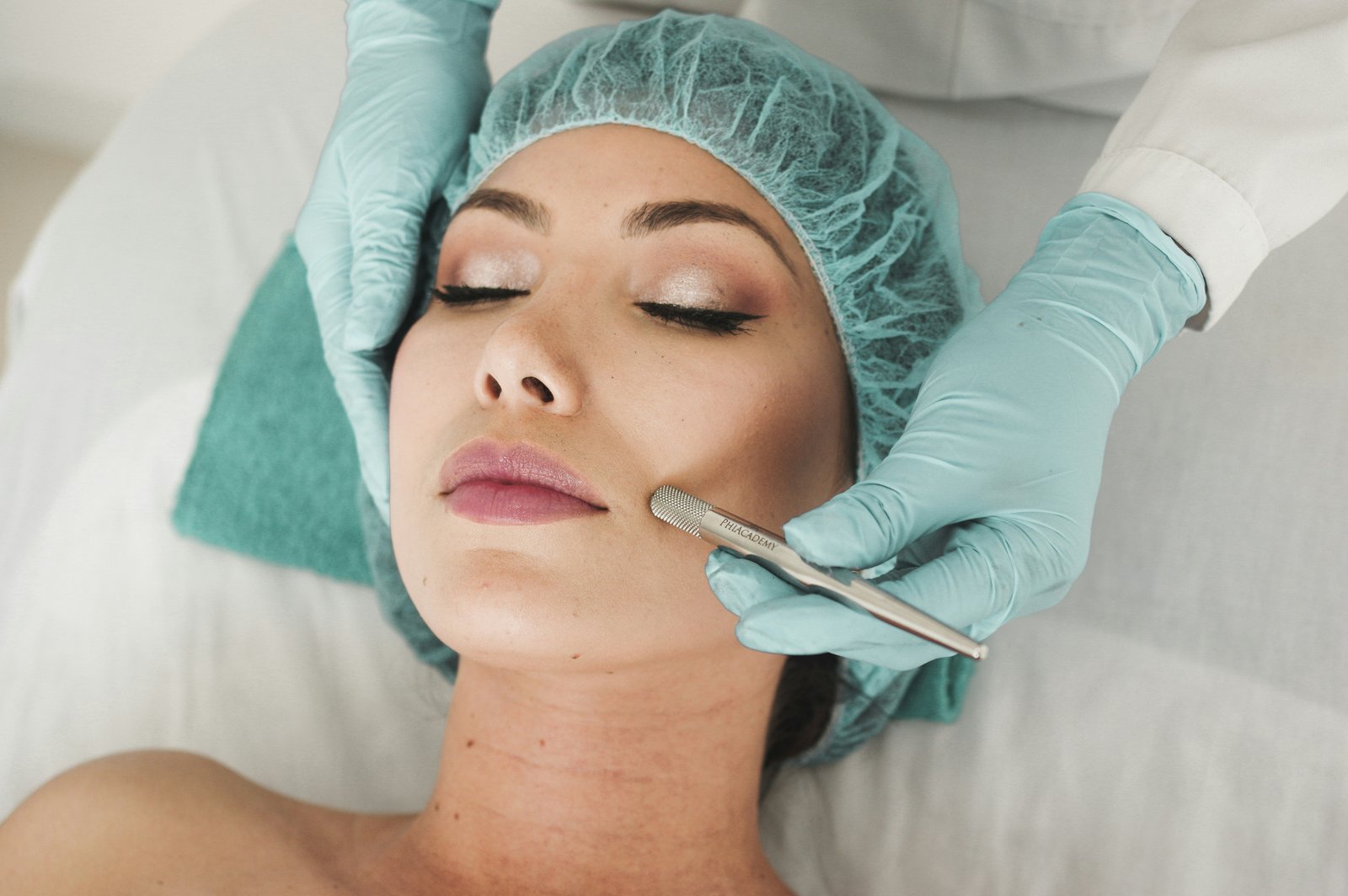
Clinical treatments are what a professional does to you. Lasers, chemical peels, microneedling, injectables. These go deeper. They target structural issues: deep wrinkles, stubborn pigmentation, acne scars, sagging. The results are faster and more dramatic. Sometimes you see a difference after one session.
What Skincare Actually Does
Daily skincare has one job: maintenance. It cleans, moisturises, protects, and addresses surface-level concerns like dryness, dullness, or mild breakouts.
It works on the epidermis—the outer layer of your skin. It cannot reach the deeper layers where structural problems live. That is not a failure. That is just physics. A cream cannot penetrate deeply enough to remodel collagen or break down scar tissue.
What it can do is prepare your skin for treatments and prolong their results. Think of it as the groundwork. If you go into a clinical treatment with a well-maintained barrier, you heal faster and get better results.
What Clinical Treatments Actually Do
Clinical treatments are interventions. They are not about maintenance. They are about correction.
Examples include:
- Laser resurfacing
- Chemical peels
- Microneedling
- Injectables (Botox, fillers)
- Radiofrequency skin tightening
These treatments work deeper. They trigger biological processes—collagen production, cell turnover, tissue remodelling. They can reduce the appearance of deep wrinkles, correct pigmentation, and improve skin texture in ways no serum can match.
The results are faster. Sometimes you see a visible difference after one session. But they cost more upfront and require downtime. And they are not a substitute for daily care. If you get a laser treatment and then neglect your skin afterwards, the results will fade faster.
How to Choose
The choice is not either-or. It is about what your skin actually needs.
Skincare is enough if:
- a) Your concerns are mild: dryness, dullness, occasional breakouts
- b) You want to maintain healthy skin long-term
- c) You have a consistent routine and are willing to be patient
Clinical treatments are worth considering if:
- a) You have stubborn issues: deep wrinkles, significant pigmentation, acne scars, sagging
- b) You have tried products for months with no results
- c) You want faster, more dramatic change
The Middle Ground: Medical-Grade Skincare
There is also a category that sits between: medical-grade skincare. These are products with higher concentrations of active ingredients, developed with clinical research and often dispensed through dermatology clinics.
They are not treatments. You still apply them at home but they are more potent than what you find at the drugstore. Dr. Milena Al Mansuri, a dermatologist, describes them as skincare “developed at the intersection of dermatology, pharmacology, and clinical practice, using active ingredients in concentrations that are capable of influencing real skin physiology”.
They can deliver visible improvements for acne, pigmentation, and ageing—especially when used alongside in-clinic treatments. But they are not a substitute. “Medical-grade skincare bridges the gap between the clinic and home—preserving, enhancing, and prolonging professional results”.
The Bottom Line
Skincare and clinical treatments are not rivals. In fact, you can consider them partners.
Skincare is what you do every day. It protects, hydrates, and maintains. Clinical treatments are what you do when you need to fix something your products cannot reach.
The mistake people make is thinking one can replace the other. It cannot. A good routine supports your treatments. Treatments give your routine something to hold onto.
As one expert put it: “Skincare and skin treatments aren’t rivals—they’re partners in a holistic skin health strategy. Daily skincare provides the essential groundwork, while professional treatments offer precision corrections for stubborn issues”





Lovely article. Crazy enough there’s been a wave of the bedazzling trend promoted by kylie Jenner and hailey beiber. They’re trying to push it into our faces, the world’s ecosystem and ozone layer be damned
Haha I also saw that twitter argument the other day and I must commend your analysis. Good job on breaking this down very nicely