The 2026 midterm races represent a turning point for national governance, with key House and Senate seats hanging in a delicate balance. Control of Capitol Hill comes down to just 51 critical battlegrounds, 9 Senate contests and 42 House districts—where shifting voter demographics, economic pressures, and foreign policy debates are reshaping the political landscape. With Republicans holding slim majorities in both chambers, even minor swings could completely alter the legislative balance of power in Washington.
The Battle for the Senate: 9 Races That Could Shift Power
In the upper chamber, Republicans currently hold a narrow 53–47 majority. However, with 22 GOP-held seats up for election, Democrats need a net gain of four seats to reclaim control. High-profile open seats and targeted incumbent defenses make these nine contests the central focus of national strategy
Open Seats and Unexpected Battles
Retirements in Iowa, Michigan, North Carolina, and New Hampshire have created competitive open races. In Michigan, Democrat Abdul El-Sayed faces Republican Mike Rogers, while North Carolina sees former Democratic Governor Roy Cooper facing Republican Michael Whatley.
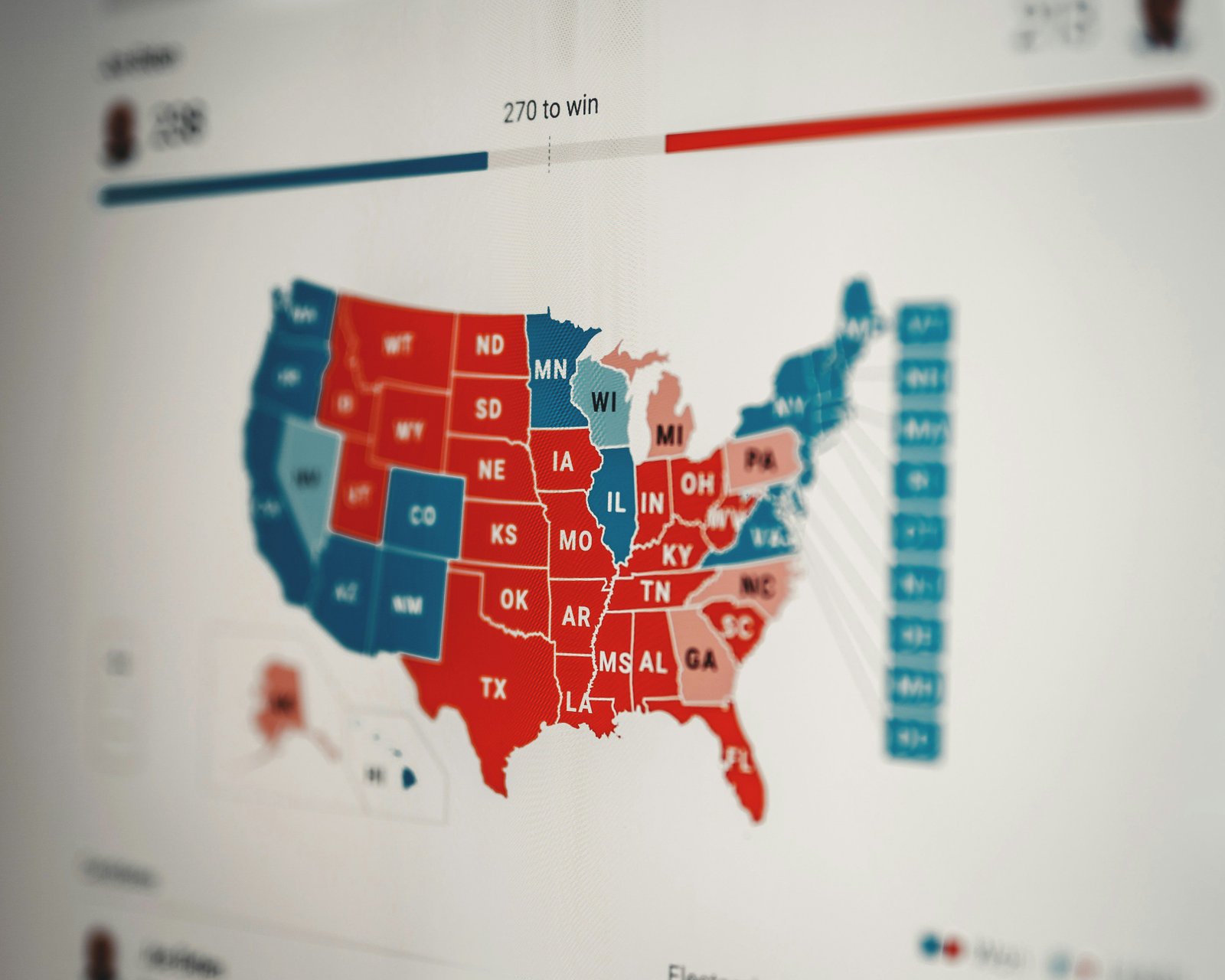
Longtime GOP Senator Susan Collins in Maine faces a renewed Democratic push in a state carried by Democrats in recent presidential runs, while Texas Attorney General Ken Paxton faces state Representative James Talarico after defeating incumbent John Cornyn in a heated Republican primary.
Races in Georgia, Ohio, and Alaska are seeing intense spending as both parties try to defend fragile ground and exploit primary divisions.
The House Map: 42 Districts Decide the Majority
With the House nearly evenly split (218 Republicans to 214 Democrats), the margin for error is razor-thin. Redrawn congressional maps, local demographic shifts, and economic affordability issues are defining competitive districts across several core regions:
1. California & the West: Key suburban districts in California (such as the 13th, 22nd, and 45th) and competitive seats in Arizona, Nevada, and Washington remain top targets for national party committees.
2. The Midwest Heartland: Open seats and rematches in Iowa, Michigan, and Pennsylvania are testing how working-class voters respond to ongoing trade, tariff, and economic policies.
3. The Sunbelt and Redistricting Realities: Newly redrawn lines in Texas, Florida, and North Carolina have altered traditional boundaries, forcing incumbents into unfamiliar territory while opening up fresh pickup opportunities for challengers.
A razor-thin Congressional majority means that local campaign execution in just a handful of suburban districts will ultimately decide national policy direction.
Opinion
Analyzing campaign data and poll movements shows that this midterm cycle is less about traditional party loyalty and far more about daily economic realities. Voters across swing districts continuously highlight inflation, local affordability, and international stability as their primary concerns.
When cost-of-living pressures remain front and center, national political narratives tend to break down at the local level. District-level candidates who focus on tangible local solutions, rather than strict national party platforms, are gaining genuine traction. The party that successfully communicates a grounded economic message will likely sweep the undecided suburban voters who ultimately decide these 51 important seats.
Bottom Line
The 2026 midterm races show that control of Congress rests on key House and Senate seats scattered across a handful of competitive states. Whether Democrats can pick up the net seats required in the Senate or Republicans can preserve their narrow House majority will come down to ground game efficiency and economic messaging over the final stretch of the campaign.