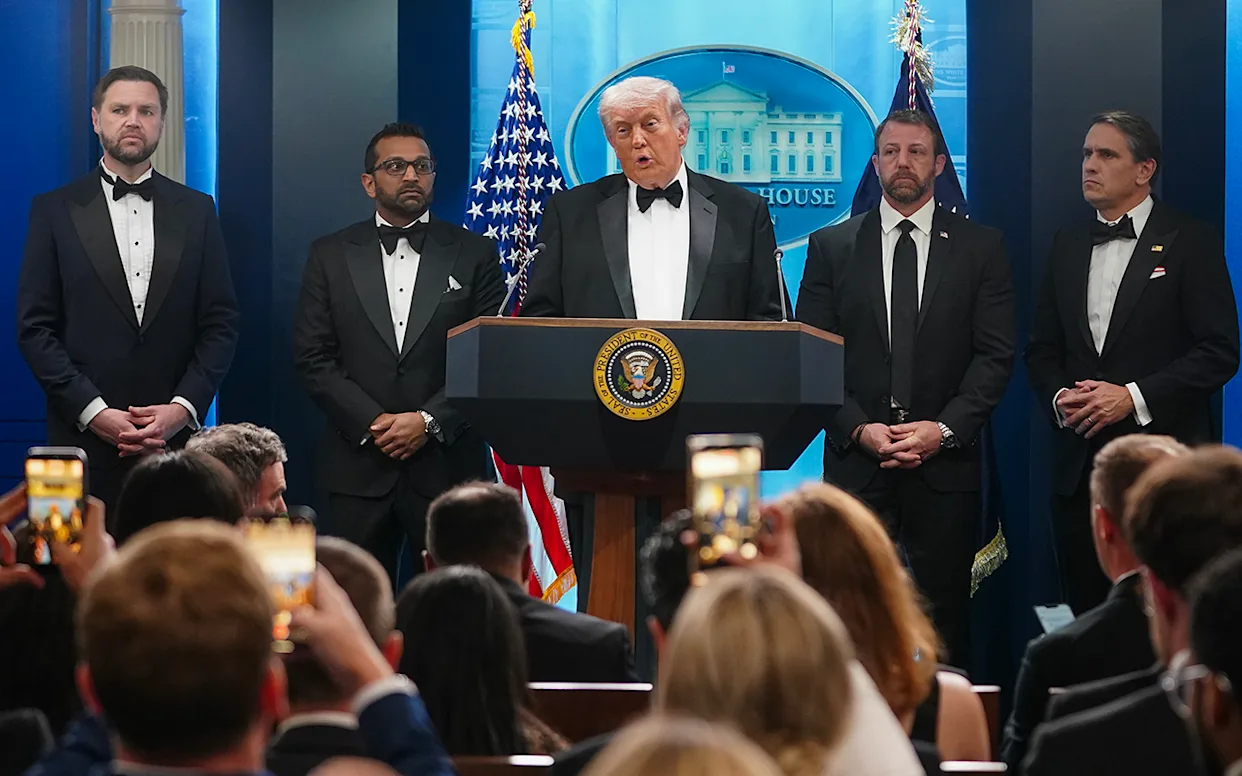

Discussions inside the U.S. are picking up speed as news spreads that officials are considering replacing the Pentagon’s No. 2 officer, Deputy Defense Secretary Steve Feinberg. Defense Secretary Pete Hegseth has already sat down with at least one potential candidate to talk about taking over the second-in-command post, while senior White House aides have held separate meetings with other figures. Feinberg, a billionaire investor who previously ran Cerberus Capital Management, was brought in to manage day-to-day operations and reform military purchasing. However, internal leadership shifts appear to be pushing the administration to look for fresh direction at the defense department.
Why Replacing Pentagon’s No. 2 Strategic Post Matters
The role of the Deputy Defense Secretary is often described as the engine room of the United States military establishment. While the Secretary of Defense sets overall strategy and handles political relationships, the second-in-command runs internal policy, manages multi-billion-dollar budgets, and oversees weapon systems development.

Talks surrounding replacing the Pentagon’s No. 2 official highlight ongoing efforts to keep senior military leadership closely aligned with presidential policy goals. The deputy position directly handles big defense contracts, tech procurement, and daily operational logistics across all service branches. Administrative officials and Secretary Hegseth have actively reached out to potential choices who bring both corporate management experience and deep security policy backgrounds.
Opinion
Running the Department of Defense is one of the toughest administrative jobs on the planet. The Pentagon is a big bureaucratic structure with millions of service members, civilian employees, and complex defense programs spanning the globe. When leadership at the very top shifts too quickly, it creates unnecessary confusion throughout the entire chain of command.
Steve Feinberg was originally brought in because his private sector background made him well-suited to handle supply chains and trim government spending. Constantly changing key decision-makers makes it harder to finish long-term modernization efforts. Military branches need consistency to plan budgets, build hardware, and keep troops prepared. When senior leaders cycle in and out of critical offices, big projects slow down, vendors get mixed signals, and overall military readiness suffers. Steady leadership almost always beats frequent turnover when national security is on the line.