Former film producer and ex-Hollywood mogul Harvey Weinstein gets 15 years in prison following his New York sex crime conviction. Judge Curtis Farber handed down the decision in a Manhattan courtroom after a jury found Weinstein guilty in a high-profile retrial involving former “Project Runway” production assistant Miriam Haley. The disgraced movie executive appeared in court in a wheelchair with his hands cuffed to his seat, pleading not guilty to first-degree criminal sexual act charges. The 15-year prison term will be followed by five years of supervised release and a mandatory requirement to register as a sex offender.
Key Details from the Manhattan Courtroom Proceedings
The courtroom hearing brought an emotional conclusion to a six-year legal journey that began with Weinstein’s initial arrest in 2018.
Miriam Haley addressed the court directly, stating that Weinstein abused his position and power in ways that destroyed her sense of security. She noted that the emotional impact of the assault remains a life sentence for her. Addressing the judge, Weinstein denied all allegations of nonconsensual behavior while offering an apology to anyone hurt by his past actions. He told the court he has made mistakes but insisted he is not a violent man.
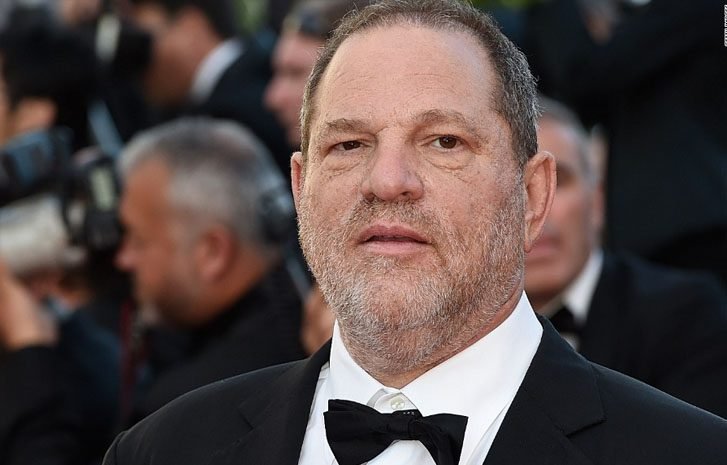
Judge Curtis Farber criticized Weinstein for taking what he wanted by force and refusing to accept responsibility for his actions. Weinstein was originally convicted in 2020 and sentenced to 23 years in prison. After a New York appeals court overturned that conviction in 2024, a retrial in June 2025 resulted in a guilty verdict regarding Haley’s allegations, an acquittal regarding former model Kaja Sokola, and a hung jury regarding former aspiring actor Jessica Mann. Prosecutors ultimately chose not to pursue a fourth trial on the unresolved charges.
Beyond New York, Weinstein was convicted in Los Angeles in 2022 for rape and sexual assault, receiving a 16-year sentence that was later vacated for resentencing. Over 80 women have accused him of sexual misconduct. He currently remains in custody at Bellevue Hospital facing severe health challenges, including bone marrow cancer, diabetes, and kidney disease.
Opinion
Watching this long courtroom saga reach a conclusion brings up complicated feelings about how the legal system handles power and accountability. When news breaks that ex-Hollywood mogul Harvey Weinstein gets 15 years in prison, it offers a measure of justice to the women who spoke out, but it also reminds us how difficult it is to hold powerful figures accountable. For years, open secrets were ignored because one individual held tremendous influence over careers and livelihoods.
True justice isn’t just about sending an individual to prison after years of appeals and retrials. It requires dismantling the workplace culture that allowed these abuses to happen in the first place. The courage shown by survivors like Miriam Haley pushed the #MeToo movement forward, forcing industries to look closely at their power structures. But a single prison sentence doesn’t automatically fix the systemic issues in entertainment, media, or corporate environments. Real progress means building workplaces where people can report abuse safely, without fear of losing their jobs or reputations. Until protection for workers is built into every industry, the work sparked by these trials remains unfinished.