This is a major victory for Trump’s administration. Trump wins Supreme Court battle over expanded voter citizenship data after the high court cleared federal officials to share enhanced immigration records with state election offices. The conservative majority voted 6-3 on an emergency request, blocking lower court decisions that had paused the program over concerns about accuracy. While civil rights groups warn the system risks wrongly targeting legitimate voters, the justices pointed out that federal voting laws prohibit voter roll updates right before an election, limiting how much the data can be used in the immediate weeks ahead.
Understanding the SAVE Database Expansion and Legal Battle
The legal fight centers on how federal agency records are compiled and shared with local election directors:
Congress originally created the Systematic Alien Verification for Entitlements (SAVE) system in 1986 so government agencies could confirm immigration status for benefits like Social Security.
Following a March 2025 executive order aimed at preventing noncitizen voting, the administration expanded the SAVE database by pulling in Social Security Administration records, allowing state officials to run bulk searches using Social Security numbers. When states like Texas ran millions of records through the expanded system, local administrators found many flagged names were actually naturalized American citizens who had gained citizenship after their records were updated.
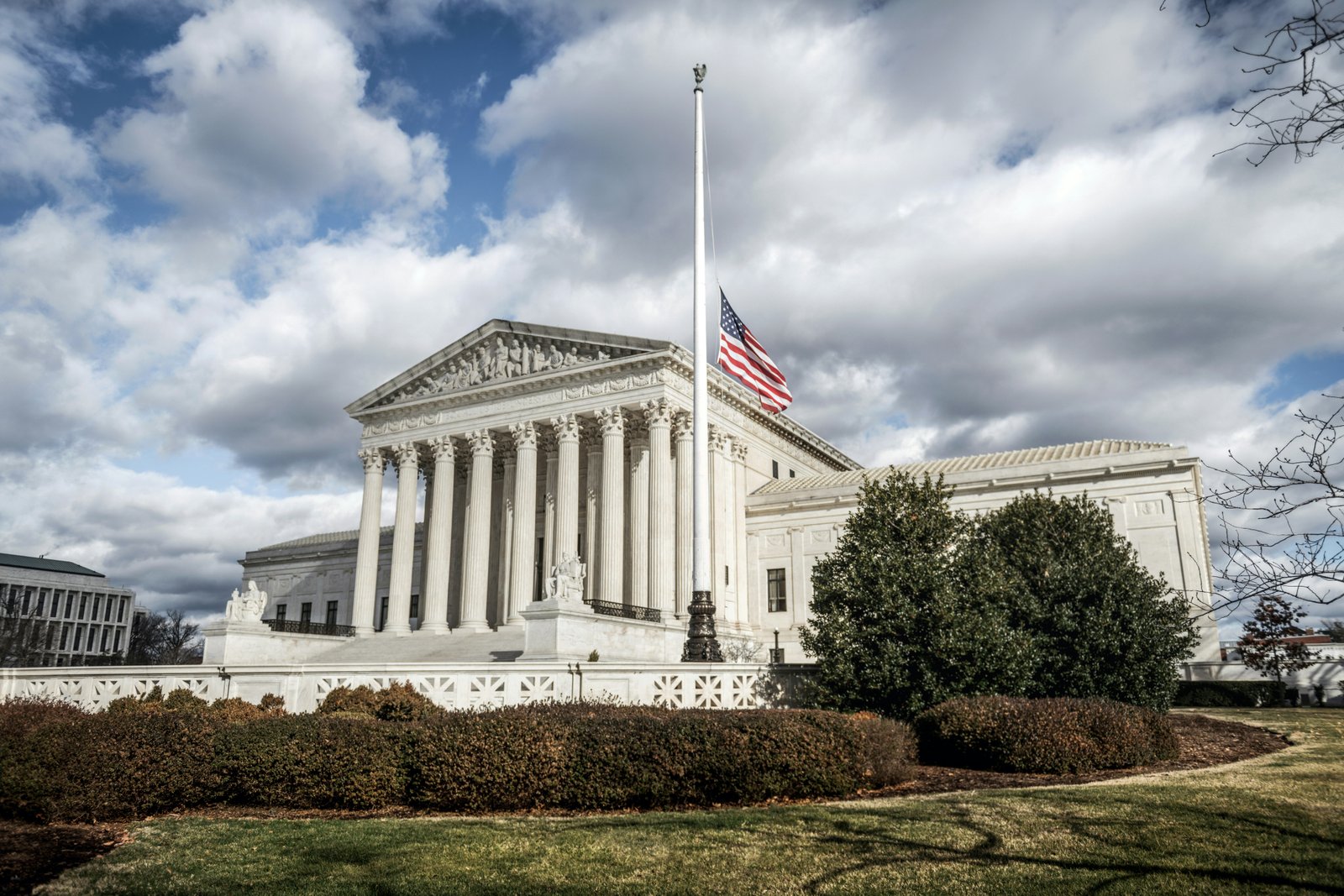
A coalition led by the League of Women Voters sued the administration, arguing the changes violated privacy laws. Both a federal district judge and the D.C. Circuit Court of Appeals initially blocked the program as likely unlawful.
The Supreme Court Order: The majority ruled that federal law requires agencies to assist state verification requests, stating that blocking the expanded program prevented the government from using its preferred tools. Writing for the three liberal justices, Justice Ketanji Brown Jackson argued that disenfranchising even a small number of eligible citizens far outweighs any harm claimed by federal officials during a temporary legal stay.
Opinion
Every citizen wants secure elections, but using mismatched records creates unnecessary red tape for eligible voters, especially newly naturalized Americans who have earned their right to participate.
Study after study shows noncitizen voting is exceptionally rare, and states already have standard procedures to maintain accurate rolls. Pushing millions of names through databases that do not track recent naturalizations forces legal voters to jump through extra bureaucratic hoops right before election day. Election security works best when it builds confidence, not when it places unfair burdens on legal voters because government files are out of date.
As Trump wins this Supreme Court battle over expanded voter citizenship data, the long-term case will continue moving through lower courts on its legal merits. In the meantime, state election directors can use the system for individual verification checks, though federal limits on last-minute voter roll purges remain firmly in place.