Venezuelan authorities have released dozens of political prisoners in the early hours of Saturday morning, prompting fresh questions about whether interim leader Delcy Rodriguez is genuinely committed to reform or simply maneuvering to keep power. The release follows a high-profile meeting in New York between Rodriguez and US President Donald Trump during the UN General Assembly. Among those freed was Wilder Vasquez, a student sentenced to five years in 2018 over alleged plots against former President Nicolás Maduro, alongside other long-term detainees like Miguel Castillo Cedeño and Frank Cabañas. While rights group Foro Penal confirmed that a “significant number” of detainees were released across several facilities, the government has remained silent on whether these releases were direct concessions made during talks with Washington.
The Prisoner Release Scheme and US Backing
The release of political prisoners was a key promise made by Rodriguez’s interim administration to secure support and sanction relief from the United States after Maduro was captured earlier this year. However, the program slowed significantly in April when Rodriguez declared the initiative was coming to an end, leaving more than half of the nation’s political detainees still in prison. Despite opposition figures pointing out that her government continues to deny the existence of political prisoners altogether, the U.S. has chosen to back Maduro’s former vice president over opposition figures like María Corina Machado.
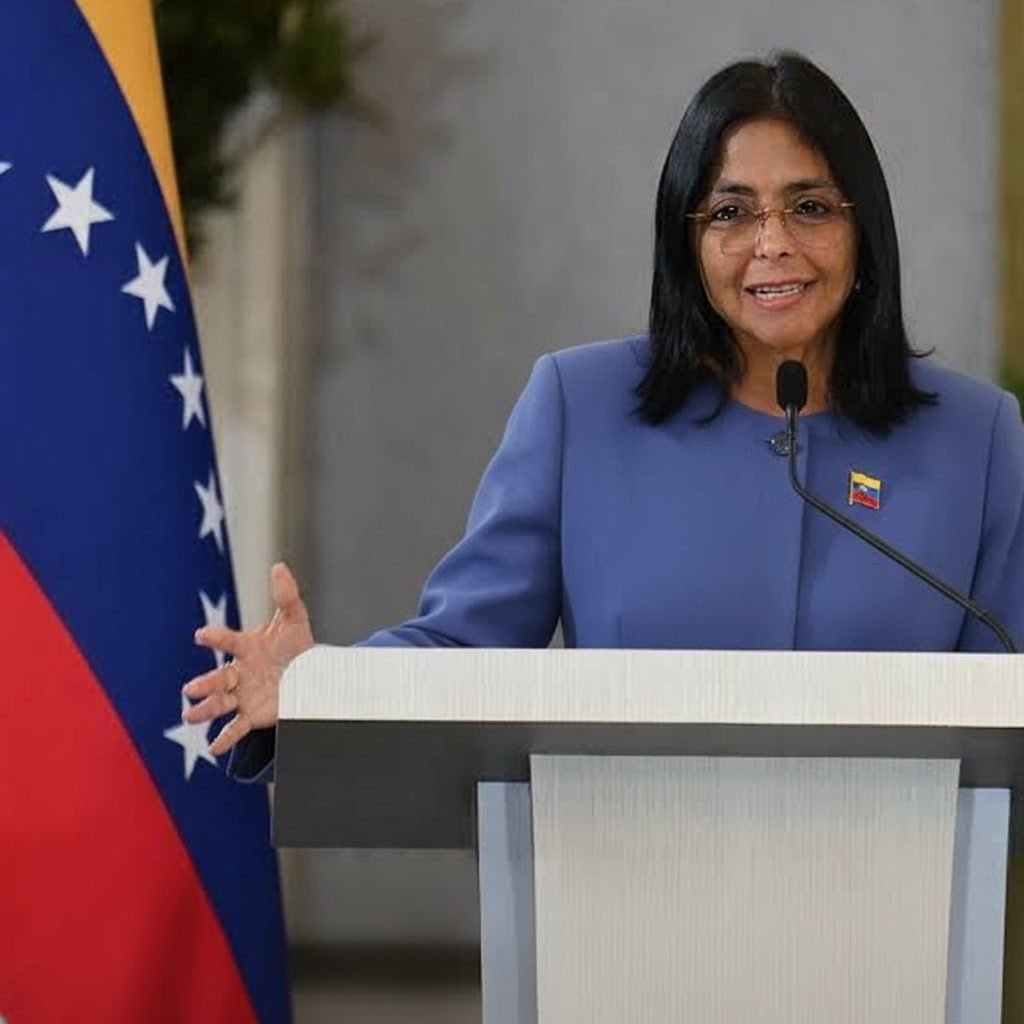
Analysts suggest the US strategy prioritizes short-term stability and access to oil over immediate political transitions.
Opposition Outrage Over Delayed Elections
Rodriguez used her speech at the UN General Assembly to reassure the international community that “there will be elections in Venezuela,” but she refused to provide a concrete date or timeline. This silence has drawn fierce criticism from opposition leaders and civil rights groups who view the lack of an election schedule as proof that little has changed since Maduro’s removal.
Opposition figures condemned her meeting with Trump, describing the current arrangement as Washington backing a figurehead from the previous authoritarian regime while ignoring democratic demands. As political figures demand free and fair elections, the public remains skeptical about whether Rodriguez represents real democratic change or just a continuation of Maduro’s legacy under a new banner.
Opinion
When a government simply swaps out top officials while leaving the underlying political structure intact, citizens are not getting real democratic reform, they are just getting a rebrand. For years, the Venezuelan government used political detentions to silence critics and maintain control. Releasing a fraction of those prisoners whenever international pressure mounts is a calculated political move, not a genuine commitment to human rights.
By choosing to partner with Delcy Rodriguez, a top figure from Maduro’s administration, the United States appears to be prioritizing immediate stability and commercial interests over the actual democratic rights of the Venezuelan people. Handpicking leaders behind closed doors in New York while delaying free elections denies citizens the right to choose their own government.
True reform requires more than releasing prisoners in batches to win diplomatic favor. Until a firm election date is set, opposition candidates are allowed to run freely, and state institutions are fully opened to public accountability, the Venezuelan people remain trapped under the same system, regardless of who sits in the presidential palace.