More than 10,000 Immigration and Customs Enforcement officers whosetraining was expedited during a hiring surge aimed at boosting the Trump administration’s mass deportation efforts are now being required to undergo additional training.
The new requirement was confirmed by a Department of Homeland Security official, an administration official, and a person familiar with the policy, all of whom spoke on the condition of anonymity.
The officers were part of a rapid hiring push last year as the administration sought to increase immigration arrests and deportations. The expedited training raised concerns among some officials about whether officers were adequately prepared for field duties.
The Training Gap
The additional training represents an acknowledgment that the expedited process may have left gaps in officer readiness. ICE officers are responsible for enforcing immigration law, making arrests, and managing detention facilities.
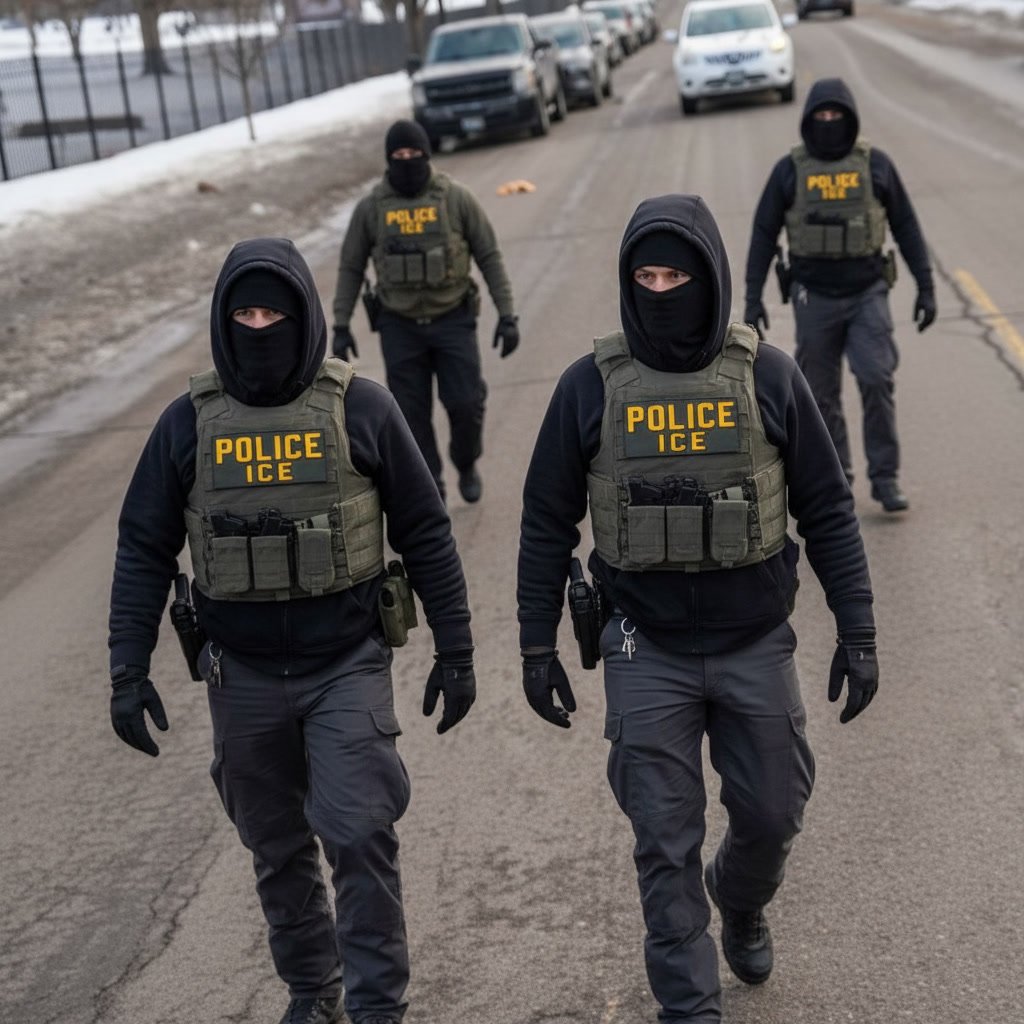
During the hiring surge, the agency shortened its typically months-long training program to get officers into the field faster. The move was part of a broader effort to scale up enforcement operations across the country.
Details of the new training — including its length, curriculum, and whether officers will be pulled from field duties — were not immediately available. DHS did not respond to a request for comment.
The Broader Context
The retraining requirement comes as ICE faces increased scrutiny over its enforcement operations. The agency has conducted high-profile raids, expanded detention capacity, and faced lawsuits over conditions in detention facilities.
The hiring surge was a central part of the administration’s immigration strategy. By bringing in thousands of new officers quickly, ICE sought to increase the pace of arrests and removals. But the speed of the hiring raised questions about training standards and accountability.
The Bottom Line
More than 10,000 ICE officers who received expedited training during last year’s hiring surge are now required to undergo additional training. The move acknowledges concerns about whether the accelerated process left officers adequately prepared. The retraining comes as ICE faces scrutiny over its enforcement operations and detention conditions.
My Opinion
The Trump administration wanted more ICE officers. It got them. It rushed them through training, put them in the field, and told them to make arrests. Now, more than 10,000 of them need retraining. That is not a fix. That is an admission.
You cannot rush national security. You cannot expedite law enforcement. ICE officers carry guns, make arrests, and manage detention facilities. Shortchanging their training is not just a bureaucratic failure. It is a public safety risk. And it is a risk to the officers themselves, who are sent into high-pressure situations without the preparation they need.