
Five US House members have called for action against the nation’s two largest convenience store chains following an investigation that found they frequently charge customers more at the register or pump than the prices promised on shelves or outdoor signs.
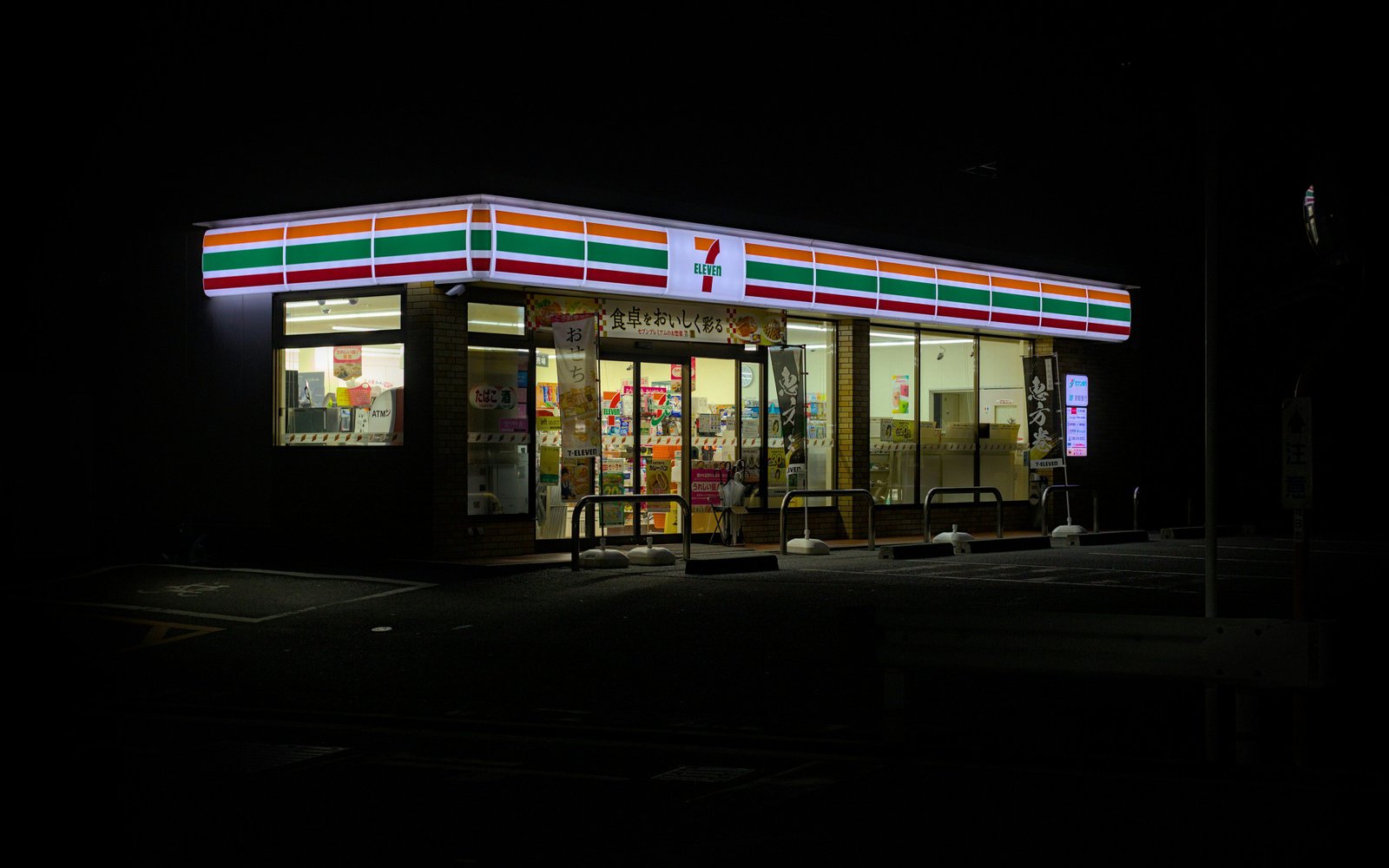
The investigation found that 7-Eleven and Circle K stores overcharge customers for snacks, gas, and other items. Between 2023 and 2025, 7-Eleven failed 41% of its price inspections in Arizona and 47% in both Colorado and Utah. Circle K failed 35% of inspections in Florida, 39% in Arizona, and 62% in North Carolina.
The Lawmakers’ Response
“It’s enraging that these massive companies are now essentially forcing us to fact-check every price tag and receipt just to make sure we’re not getting ripped off,” said Rep. Becca Balint, a Democrat from Vermont. She called on the Federal Trade Commission to “investigate this trend and hold these companies accountable if they’re deliberately misleading customers.”
“This story is disturbing,” added Rep. Nanette Barragán, whose district covers part of Los Angeles County. “Americans work hard to feed their families. As Trump and Republicans continue to skyrocket the cost of food and other basic necessities, businesses need to keep their prices transparent and fair.”
Rep. Laura Friedman, whose district includes West Hollywood and Burbank, noted that California law requires stores to charge the price on the sign. “State and local officials should investigate, and any store found breaking the law needs to be held accountable,” she said.
The Political Context
The pushback comes as affordability concerns dominate the political conversation ahead of the midterms. President Donald Trump has dismissed affordability concerns as a “hoax” and “con job” perpetrated by Democrats. An AP-NORC poll released Thursday found that just 17% of Americans approve of the president’s handling of the cost of living.
Lawmakers including Balint, Barragán, and others have made inflation and affordability centerpieces of their pitches to voters.
The Company Response
The two chains did not answer detailed questions from the Guardian. In brief statements, 7-Eleven said it takes pricing accuracy “very seriously” and Circle K said it is “committed to complying with all applicable laws and regulations.”
The problem is not limited to convenience stores. The Guardian previously reported that Dollar General and Family Dollar had repeatedly failed to honor shelf prices. In response, 30 House members signed a letter demanding answers from those chains.
The Enforcement Challenge
Experts told the Guardian that one of the main challenges to solving the problem is a lack of inspection and enforcement resources. When state and local agencies do take action, modest fines often do not stop large retail chains from charging customers more than their posted prices.
“If the goal is to prevent stores from ripping off their customers by posting phony prices, this can be done by imposing serious fines,” wrote Dean Baker, senior economist at the Center for Economic and Policy Research.
The Bottom Line
Five House members are demanding action after an investigation found that 7-Eleven and Circle K frequently overcharge customers at the register and pump. The chains failed price inspections at rates as high as 62% in some states. Lawmakers are calling on the FTC to investigate. The pushback comes as affordability concerns dominate the political landscape ahead of the midterms.
My Opinion
This is not a mistake. It is a business model. When 7-Eleven fails 47% of its price inspections in Utah and Circle K fails 62% in North Carolina, that is not an accounting error. That is a system that profits from confusion. Charge the customer more than the shelf price, and most people will not notice. The ones who do will complain. The fine, if there even is one, will be a rounding error on the quarterly earnings report.
What makes this story so infuriating is how small the amounts are. Ten cents on a bag of chips. Twenty cents on a gallon of gas. It is not enough to notice individually, but it adds up — especially for families already struggling to afford basic necessities. And it comes at a moment when the president is calling affordability concerns a “hoax.”
The solution is not complicated. As Dean Baker said, a $50 fine for every instance of overcharging would fix the problem overnight. Companies respond to incentives. If the penalty for cheating is cheaper than the profit from cheating, they will cheat.