A legal battle over government-funded political advertising erupted when the DNC and a watchdog group sued Trump in federal court, alleging that a multi-million-dollar broadcast television campaign violates long-standing federal laws on government spending and anti-propaganda restrictions. The Democratic National Committee (DNC), alongside government oversight organization Common Cause, filed separate complaints in the U.S. District Court for the District of Columbia. Both lawsuits assert that the Trump administration diverted public money, specifically funds allocated to Customs and Border Protection (CBP) within the Department of Homeland Security (DHS) to create and run campaign-style spots that praise President Donald Trump ahead of the upcoming midterm elections.
Federal Lawsuits, Statutory Allegations, and Funding Disparity
The legal filings name President Trump, the White House, the Department of Homeland Security, and the Office of Management and Budget as defendants. Plaintiffs argue that using taxpayer dollars to air television commercials boasting about administration policies violates a federal ban prohibiting appropriated money from being used for publicity or political propaganda unless authorized by Congress.
The lawsuits also cite the Anti-Deficiency Act and the Purpose Statute, claiming that federal agencies spent tax dollars outside their explicit statutory purpose. DNC Chairman Ken Martin emphasized that the administration’s actions unfairly tilt the electoral landscape by providing Republican candidates with public resources while American taxpayers foot the bill.
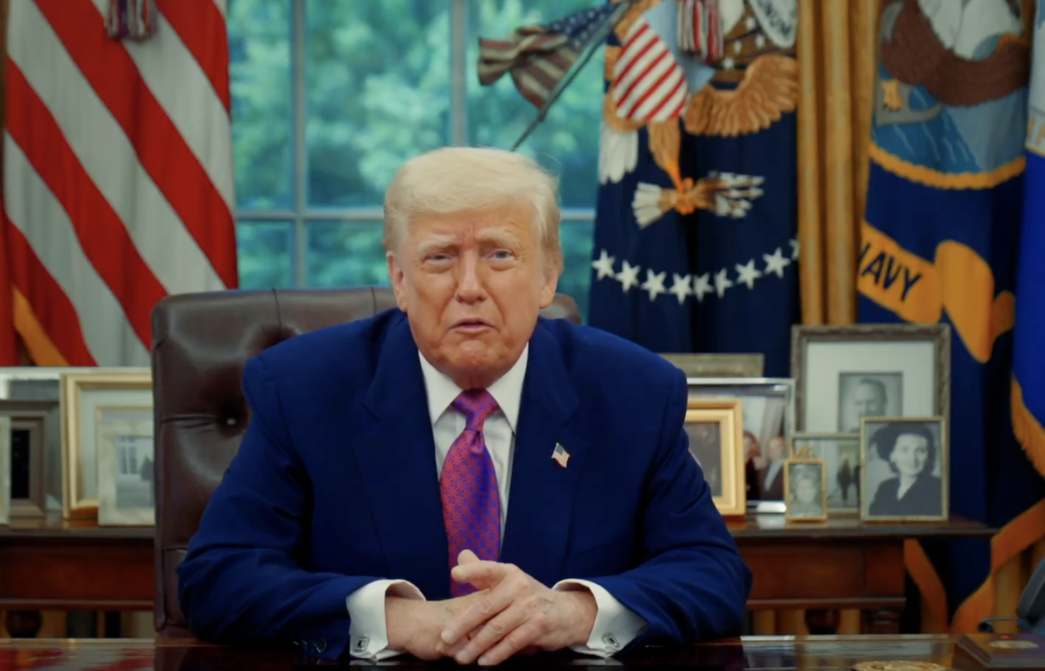
Ad-tracking estimates show that at least $10 million to $12 million has already been spent out of a reported $20 million contract awarded to a Maryland firm. The media buys targeted television markets in crucial Senate battlegrounds like Michigan, North Carolina, and Georgia, as well as several red states. Omar Noureldin, senior vice president at Common Cause, explained that the oversight group brought its action to ensure that no administration, regardless of political party, can misuse public funds for self-promotion without direct congressional approval.
White House Reversal and Transferred Ad Payments
Following widespread criticism from both Republican and Democratic lawmakers regarding the legality of the ad blitz, Trump reversed course in a social media announcement. He stated that moving forward, future media placements would no longer draw from government coffers and would instead be funded by his campaign and super PAC, MAGA Inc. However, television stations continued to air ads carrying the official “Paid for by the U.S. Government” disclaimer while existing pre-purchased ad buys completed their runs.
White House representatives defended the commercials, calling them public service announcements designed to promote national unity and pointing to public communications run by past presidential administrations. However, federal communications officials declined to intervene, while legal experts noted that standard public service announcements typically guide citizens to specific benefit programs rather than promoting political accomplishments. Attorneys for the DNC and Common Cause are asking a federal judge to declare the taxpayer spending illegal, block any remaining federal funds from being spent on the campaign, and explore steps to recover funds already disbursed.
My View
The legal challenge over government-funded television advertisements touches on a core principle of American democracy: public funds must never be used to advance partisan political goals.
Every presidential administration has the right to inform the public about federal laws and official government programs. However, there is a clear distinction between administrative public service announcements and broad television ads that promote a political message. When government agencies use taxpayer funds to run ads that mirror political campaign commercials, it blurs the line between public service and political campaign activity.
Federal restrictions on propaganda exist precisely to prevent sitting officials from using government resources to influence elections. Allowing any administration to use public funds for self-promotional media campaigns sets a dangerous precedent. Courts must enforce strict boundaries to protect public funds and ensure a fair electoral process for everyone.