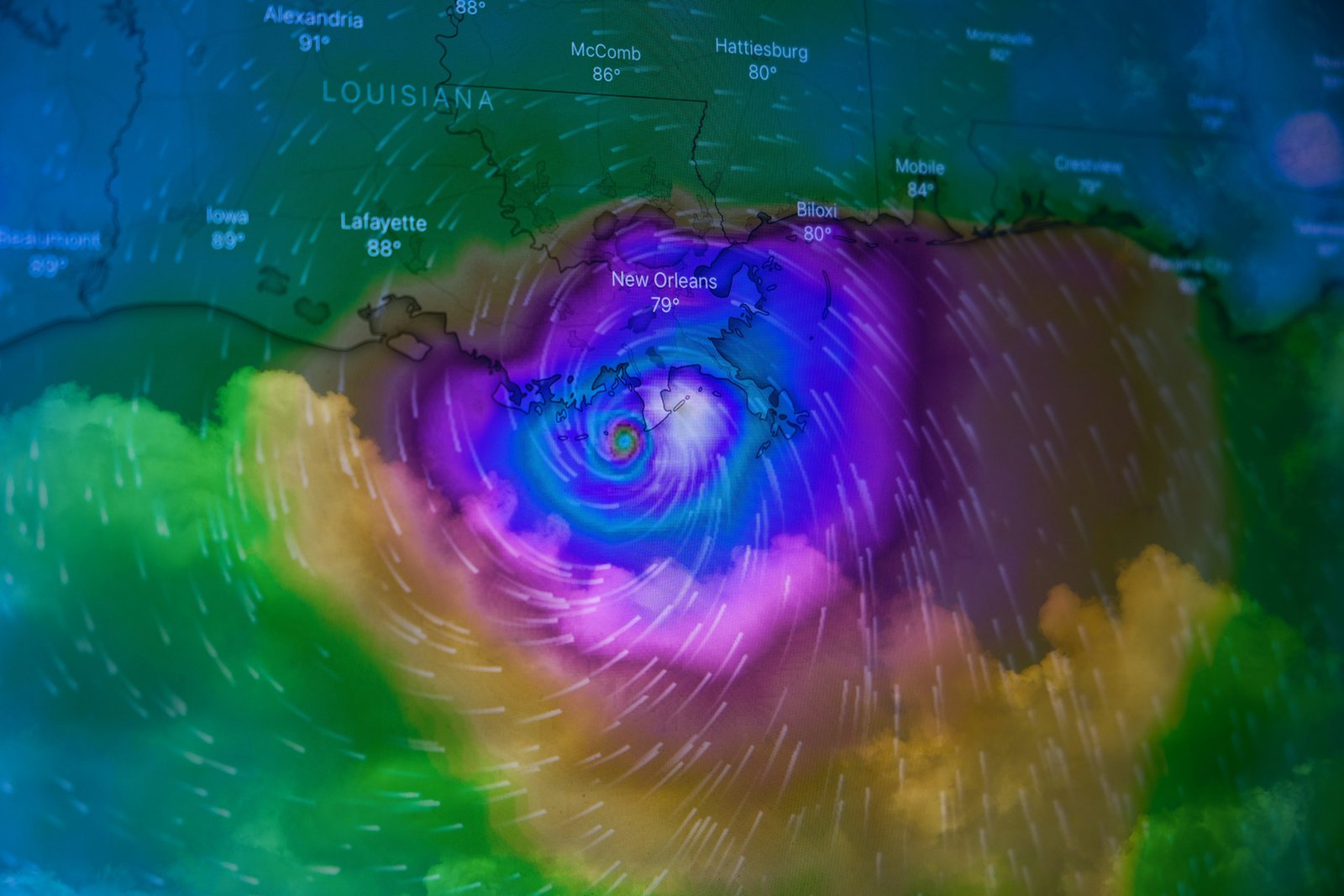
As Hurricane Isaias rapidly strengthens and moves toward the northeastern Gulf Shore, major oil refineries shut down operations and offshore energy producers scramble to evacuate personnel ahead of predicted landfall. The U.S. Marine Minerals Administration confirmed that nearly two-thirds of offshore crude oil production and over 57% of natural gas output in the Gulf of Mexico have been offline. Major industry operators, including Chevron and Shell, initiated precautionary safety procedures, halting production across multiple key platforms while securing onshore facilities. The timing of this severe weather event creates immediate market pressure on U.S. energy supplies, as domestic gasoline and diesel inventories remain tight and retail fuel prices continue to squeeze consumers nationwide.
Facility Evacuations and Refining Capacity Threats
The Gulf Coast refining corridor contains a significant portion of total U.S. fuel processing capacity. Energy analysts estimate that roughly 14% of national refining capacity sits directly within the projected path of the hurricane. Leading energy firms implemented long-established safety protocols across the basin. Chevron suspended operations at four major Gulf platforms while keeping five others monitored at standard levels. Shell halted production at five offshore platforms, including its Mars, Olympus, Ursa, Vito, and Appomattox assets, and evacuated non-essential workers from additional sites.
Petroleum market analysts warn that onshore refineries in low-lying coastal zones face significant risks of storm surge and localized flooding. If severe weather forces coastal refineries to power down or experience flooding damage, restoring facilities to full operating capacity can take anywhere from a few days to over a week. Because U.S. refineries have already been running at near-maximum output to satisfy domestic and international demand, any unexpected facility downtime directly reduces available gasoline and diesel supplies across regional distribution networks.
Global Energy Pressures and Consumer Price Impact
The domestic disruptions caused by the storm coincide with broader volatility in global crude oil markets. International conflicts in the Middle East and ongoing military strikes targeting energy infrastructure in Eastern Europe have already constrained global oil supply and driven up benchmark crude prices. With national average gasoline prices hovering around $4.36 per gallon, additional supply constraints along the Gulf Coast threaten to drive pump prices higher in the short term.
Industry experts emphasize that oil is a globally traded commodity, meaning localized production halts in the Gulf of Mexico ripple through international markets. While offshore platforms can often resume pumping crude relatively quickly once a storm passes without structural damage, the overall impact on consumer fuel costs depends heavily on whether onshore refining, pipeline transport, and port logistics escape major flooding. As Hurricane Isaias approaches the coast, federal regulators and energy markets remain focused on facility integrity and worker safety.
My View
The shutdown of oil production facilities ahead of Hurricane Isaias highlights the continuous vulnerability of centralized energy infrastructure located in storm-prone regions.
The Gulf Coast serves as a vital hub for refining and transporting domestic fuel, but its location exposes critical infrastructure to increasingly frequent seasonal storms. When a single weather system can temporarily take a major percentage of regional oil and gas production offline, it demonstrates how thin the margin of error is for maintaining stable energy supplies.
While energy companies have developed efficient evacuation and safety protocols to protect workers, long-term energy security requires broader infrastructure resilience. Diversifying refining operations, upgrading flood defenses around coastal facilities, and maintaining adequate strategic reserves are essential steps to shield consumers from sharp price spikes whenever severe weather threatens key energy corridors.