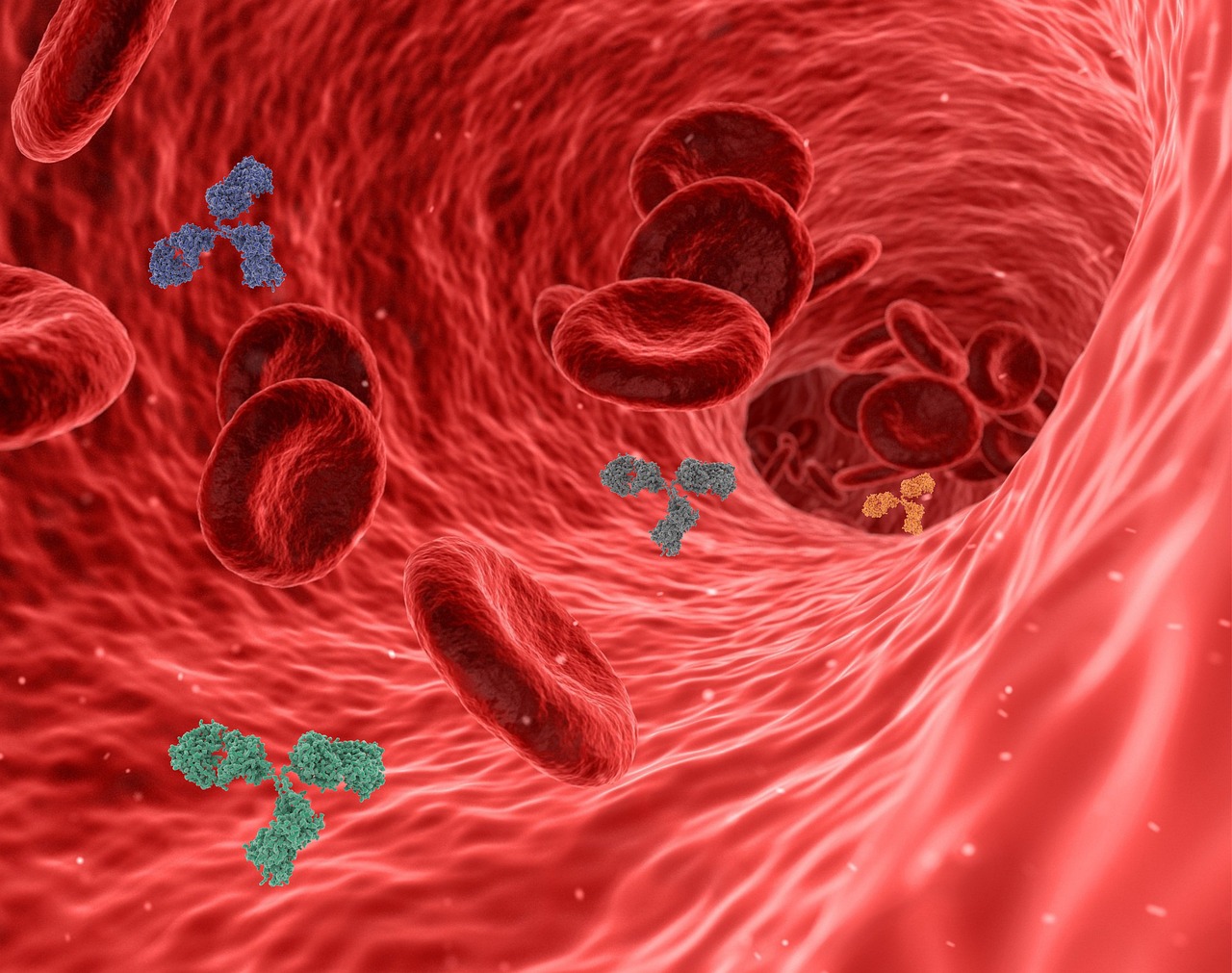
Ever heard of an aneurysm? It’s a bulge in the wall of a blood vessel. It’s like a weak spot in the wall of the blood vessels that starts to balloon out. This bulge can form in different arts of the body like the brain, or arteries. Now, here’s the thing: an aneurysm can burst. Yes, it can and when that happens, it can lead to serious bleeding.
Types of Aneurysm
Aneurysms are of different types, each of which affects different areas of the body.
Abdominal Aortic Aneurysm (AAA): There is a large blood vessel in the body called the aorta, which carries blood from the heart to the rest of the body. In an abdominal aortic aneurysm, a section of the aorta in the belly area weakens and starts to bulge. This swelling looks like a balloon that has been over-inflated. If it grows too large, it will burst, which can lead to bleeding. Most people with (AAA) don’t notice symptoms, but some people feel the pain in their back or abdomen.
Thoracic Aortic Aneurysm (TAA): This is similar to AAA, but instead, this aneurysm forms in the aorta as it travels through the chest. Since the aorta here supplies blood to the upper body, a TAA could affect areas like the heart or lungs. The symptoms of this type of aneurysm are rare until it becomes large. However, it may also cause pain in the chest, back, or neck.
Cerebral Aneurysm: Cerebral aneurysm also known as brain aneurysm happens in the blood vessels in the brain. When part of the blood vessel wall in the brain weakens, it starts to swell and form a little pouch. If it bursts, it can bleed excessively in or around the brain, which is known as a hemorrhagic stroke. This is a very serious condition and can lead to vision changes and severe headaches. In some cases, it can even lead to a loss of consciousness.
Peripheral Aneurysm: This type occurs in the blood vessels outside of the main arteries in the chest and abdomen, often in the legs or behind the knee. These usually don’t burst like other types of aneurysms, but they can create circulation problems by blocking blood flow, which might cause pain or weakness in the legs.
Symptoms of Aneurysm
- Headache
- Pain
- Vision problems
- Weakness or numbness
- Dizziness
- Nausea
- Breathing problems
- Coughing
Causes of Aneurysm
Atherosclerosis (Hardening of the arteries): Fatty materials like cholesterol can stick to the inside of the arteries, which forms a thick plaque buildup. This makes the arteries stiffer and less flexible. When arteries harden, they can also weaken, which creates a spot where the wall might budge out.
High Blood Pressure: Blood pressure ia the force of the blood pushing against the artery walls. If the pressure is too high, it puts more strain on the walls, making it thin and weaker over time.
Smoking: Smoking damages the cells in the blood vessels and makes them lose their strength. Nicotine in cigarette also increases blood pressure which adds to the pressure on the vessel walls.
Family History: Some people are more likely to have an aneurysm. If your parents, siblings, or close relatives have aneurysms, there’s a chance that you may have a similar risk, because of the genetics you share with your family.
Age: As we age, our blood vessels naturally get weaker and less flexible. This can lead to weak spots forming in artery walls, especially in older adults, where the risk of aneurysms is higher.
Gender: Men tend to have a higher chance of developing certain aneurysms, like abdominal aortic aneurysms. However, if women do get an aneurysm, they might have a higher chance of serious complications.
Connective Tissue Disorders: Conditions like Marfan syndrome and Ehlers-Danlos syndrome affect the body’s connective tissues, which give structure and support to organs and blood vessels. In people with these disorders, the walls of blood vessels are weaker and more likely to stretch or bulge, increasing the risk of aneurysms.
Infections: Although rare, some infections can affect the walls of blood vessels, making them weaker. For example, untreated syphilis or certain bacterial infections can damage blood vessels, leading to an aneurysm.
Trauma (Injury): An injury to a blood vessel, like from a car accident or a strong impact, can weaken the vessel wall. Even if it doesn’t cause a problem right away, the damaged area might become an aneurysm over time.
Conclusion
An aneurysm is a weak, balloon-like bulge in a blood vessel that can form in different parts of the body, including the brain, chest, and abdomen. While some aneurysms go unnoticed and may not cause symptoms, they can be life-threatening if they grow too large and burst, leading to severe bleeding.