
With a series of deafening booms over its capital, Venezuela was jolted into a new and perilous reality: the United States had executed a direct military intervention to physically remove its president, an act of regime change not seen in Latin America since the 1989 invasion of Panama.
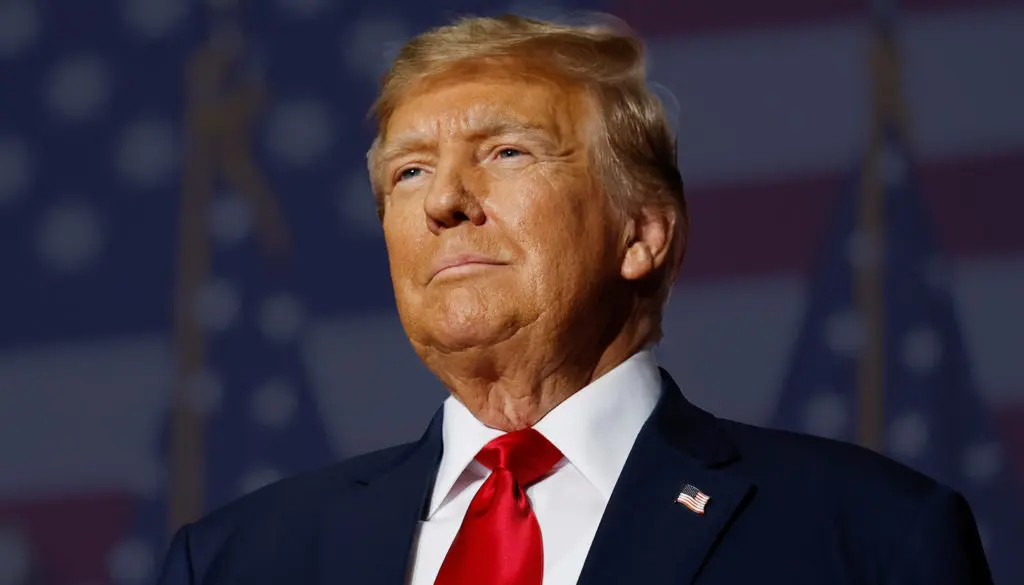
President Donald Trump’s announcement that Nicolás Maduro had been captured and flown to New York to face trial marks a dramatic, unilateral escalation that shatters decades of geopolitical norms. While Washington frames the operation as a strike against a “criminal trafficking organisation” and a leader accused of “crimes against humanity,” the move is a high-stakes gamble that has thrown Venezuela—and the entire region—into a terrifying and unpredictable power vacuum.

From Covert Pressure to “Shock and Awe”
The operation caps months of visible U.S. military buildup, including the region’s largest deployment in decades, warplanes, and the world’s biggest warship. What began as strikes on drug-running vessels has culminated in a bold, forcible removal of a sitting head of state from his own capital, confirming Venezuela’s long-held accusation that Washington’s ultimate goal was always regime change.
For hawkish figures in Trump’s administration, it is a crowning victory. For Maduro’s government, controlling the judiciary, military, and powerful armed paramilitaries known as colectivos, it is an act of war that vindicates their narrative of U.S. imperialism aimed at “stealing” the world’s largest oil reserves.
The Unanswered Question: Who Fills the Void?
The most dangerous phase begins now. The U.S. intention is clear: to install the U.S.-allied opposition, potentially led by figures like Maria Corina Machado or Edmundo Gonzalez. However, the path is fraught with “extreme risk.” The opposition itself is divided, not universally supportive of Machado or Trump’s intervention. More critically, Maduro’s apparatus remains deeply entrenched.
Analysts fear the sudden decapitation of the state could trigger violent fragmentation and a prolonged power struggle, not a smooth transition. Memories of decades of painful U.S.-backed coups and interventions in the 20th century make even some of Maduro’s critics wary of American “liberation.”
A Region on Edge and a Base Divided
The operation also tests Trump’s political calculus. While he benefits from a continent that has shifted rightward in Ecuador, Argentina, and Chile, major regional powers like Brazil and Colombia do not support military intervention. Furthermore, the move puts him at odds with his own “America First” MAGA base, which views his growing foreign interventionism with deep suspicion.
For Maduro’s inner circle, now staring into the abyss, the calculation is one of survival. They are unlikely to surrender power unless offered guarantees against persecution, setting the stage for potential internal collapse or a bloody insurgency.
Trump has rolled the dice on Latin America’s future. He has removed a dictator but may have unleashed a hydra. Even though the bombs over Caracas have stopped, the explosion of consequences (political, humanitarian, and regional) is only just beginning. The United States has achieved its objective; it now owns the chaotic, dangerous, and deeply unclear aftermath.