
In a sweeping power grab triggered by national tragedy, the Australian government is rushing through a package of “draconian” new laws that critics warn will crush civil liberties, unfairly target gun owners, and silence political dissent—all in the name of safety after the Bondi Beach massacre.
The New South Wales state government recalled parliament to fast-track legislation that would ban protest chants like “globalise the intifada,” cap gun ownership for most citizens at four firearms, and grant police unprecedented powers to shut down demonstrations and forcibly remove face coverings. While sold as a shield for the Jewish community and a barrier to future violence, the move has ignited a firestorm, uniting pro-gun advocates and civil libertarians in a rare alliance of outrage.
A ‘Culture of Silence’ or a Shield Against Hate?
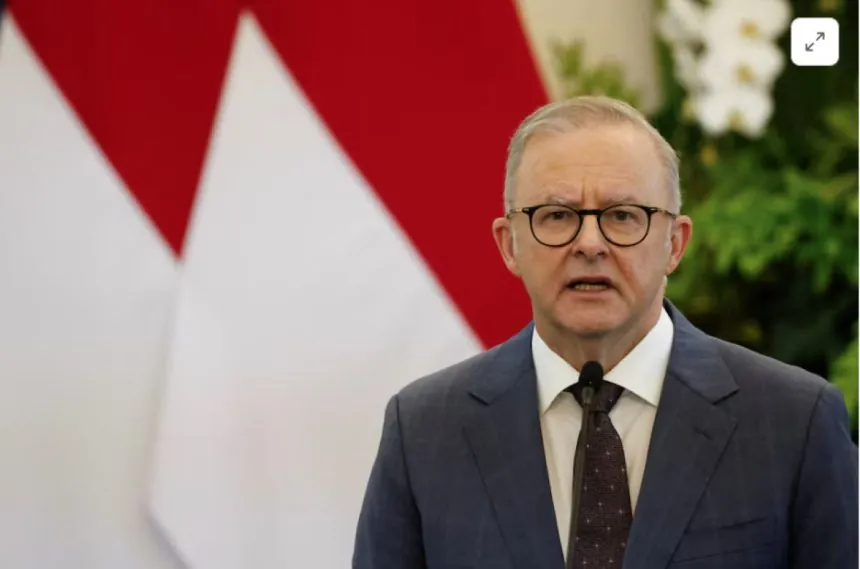
Premier Chris Minns defended the crackdown, arguing the banned phrase “is a call to a global intifada… an invitation to violence” that fosters “heightened disunity.” The government also aims to empower police to ban protests for up to three months after a terrorist attack and restrict demonstrations at places of worship.
Civil rights leaders slammed the measures as a dangerous overreach. Timothy Roberts, president of the NSW Council for Civil Liberties, called them “an affront to our right to assemble” that “damages our democracy.” He accused Minns of conflating silence with peace: “He thinks silence is peace, and does not seem to realise it can also reflect oppression.” Roberts warned the laws would “drive us further apart” in a time of grief.
Gun Owners ‘Punished’ and ‘Made Scapegoats’
The gun control measures—limiting ownership, shortening license renewal periods, and reviewing available firearm types—are a direct response to the revelation that Bondi gunman Sajid Akram had six registered weapons. However, pro-gun politicians argue that the quarter-million law-abiding gun owners in NSW are being collectively punished.
Mark Banasiak of the Shooters, Fishers and Farmers party said licence holders were being “made a scapegoat for agency failings,” diverting from the real problem: “a climate of hate and division that’s been allowed to fester.”
Why It Matters
The debate has split the nation along ideological lines. Walter Mikac, whose family was killed in the 1996 Port Arthur massacre, hailed the gun reforms as closing “critical gaps.” The Jewish Board of Deputies called the ban on “intifada” chants a “watershed moment.”
But Palestine Action Group spokesperson Josh Lees labeled the laws “incredibly draconian,” warning the Bondi attack was “perhaps changing the dynamics of that democracy and that freedom.”
The government is attempting to legislate social cohesion in the shadow of a massacre. The result is a bitter national argument over where safety ends, and oppression begins—a debate conducted under new rules that give the state more power than ever to decide who speaks, who protests, and who is heard.