
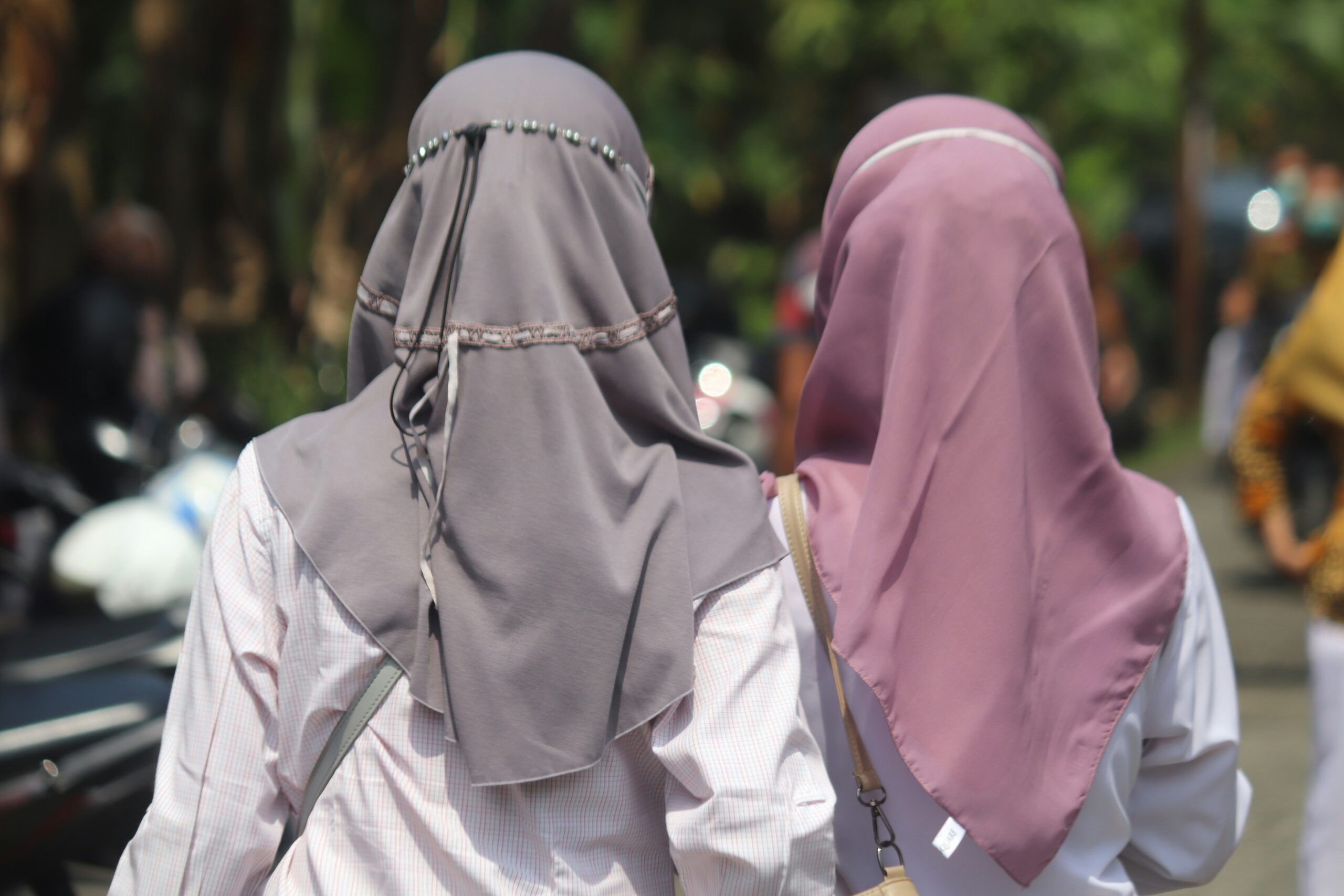
Austria has declared a new front in its culture wars, passing a sweeping law that bans girls under the age of 14 from wearing headscarves in all schools. The move, denounced by critics as an unconstitutional assault on religious freedom, is being hailed by the government as a “clear commitment to gender equality” and a shield to protect young girls from oppression.”
The law, passed by a coalition of centrist parties with support from the far-right, directly targets “traditional Muslim” head coverings like the hijab and burka. It applies to both public and private schools, setting the stage for a fierce legal and social battle that is set to divide the nation.
A Law Built on a Legal Minefield
The government is walking a constitutional tightrope. In 2020, Austria’s Constitutional Court struck down a similar ban for girls under 10, ruling it illegally singled out Muslims. Proponents of the new law insist they have crafted it carefully to avoid the same fate.

“Will it pass muster with the Constitutional Court? I don’t know. We have done our best,” admitted Yannick Shetty, parliamentary leader of the liberal Neos party. He argued the law was “not a measure against a religion,” but one to “protect the freedom of girls,” affecting an estimated 12,000 children.
Opposition: From ‘Unconstitutional’ to ‘Not Far Enough’
Criticism is blistering and comes from all sides. The official Islamic Community in Austria (IGGÖ) called the ban a violation of fundamental rights that will “stigmatise and marginalise” children. They vowed to challenge its constitutionality, stating, “The Constitutional Court already ruled unequivocally… that such a ban is unconstitutional.”
The opposition Greens echoed this, with MP Sigrid Maurer labelling the law “clearly unconstitutional.” Yet, from the opposite flank, the far-right Freedom Party (FPÖ)—which voted for the ban—said it “did not go far enough.” They demanded a “general ban on headscarves in schools” for all pupils and staff, declaring, “political Islam has no place here.”
Meanwhile, the state’s enforcement strategy is a graduated path to punishment. A first violation triggers discussions with school authorities and guardians. Repeated defiance mandates a report to child welfare agencies. The ultimate penalty is an €800 fine levied against the child’s family—a measure critics say will punish parents for their religious beliefs.
An “awareness-raising” period begins in February 2026, with the full ban taking force in September. The delay does little to cool the heated debate.
The Austrian government has framed its new law as a shield for young girls. But to the thousands of families it directly targets, and the civil society groups rallying against it, the state has not offered protection—it has declared war on their identity, setting the stage for a landmark battle in the nation’s highest court.