
China’s foreign ministry office in Hong Kong summoned the heads of the US, UK, Australian, and European Union missions this week to protest their criticism of Jimmy Lai’s 20-year prison sentence, accusing Western governments of “irresponsible” interference in the city’s affairs.
The commissioner’s office said it expressed “strong dissatisfaction and firm opposition” during meetings held Wednesday and Thursday with the four diplomatic missions, according to a statement released Saturday.
The office urged the governments to respect China’s sovereignty and Hong Kong’s rule of law, stop making “irresponsible” remarks about national security cases, and “cease interfering in Hong Kong and China’s internal affairs.”
The Case
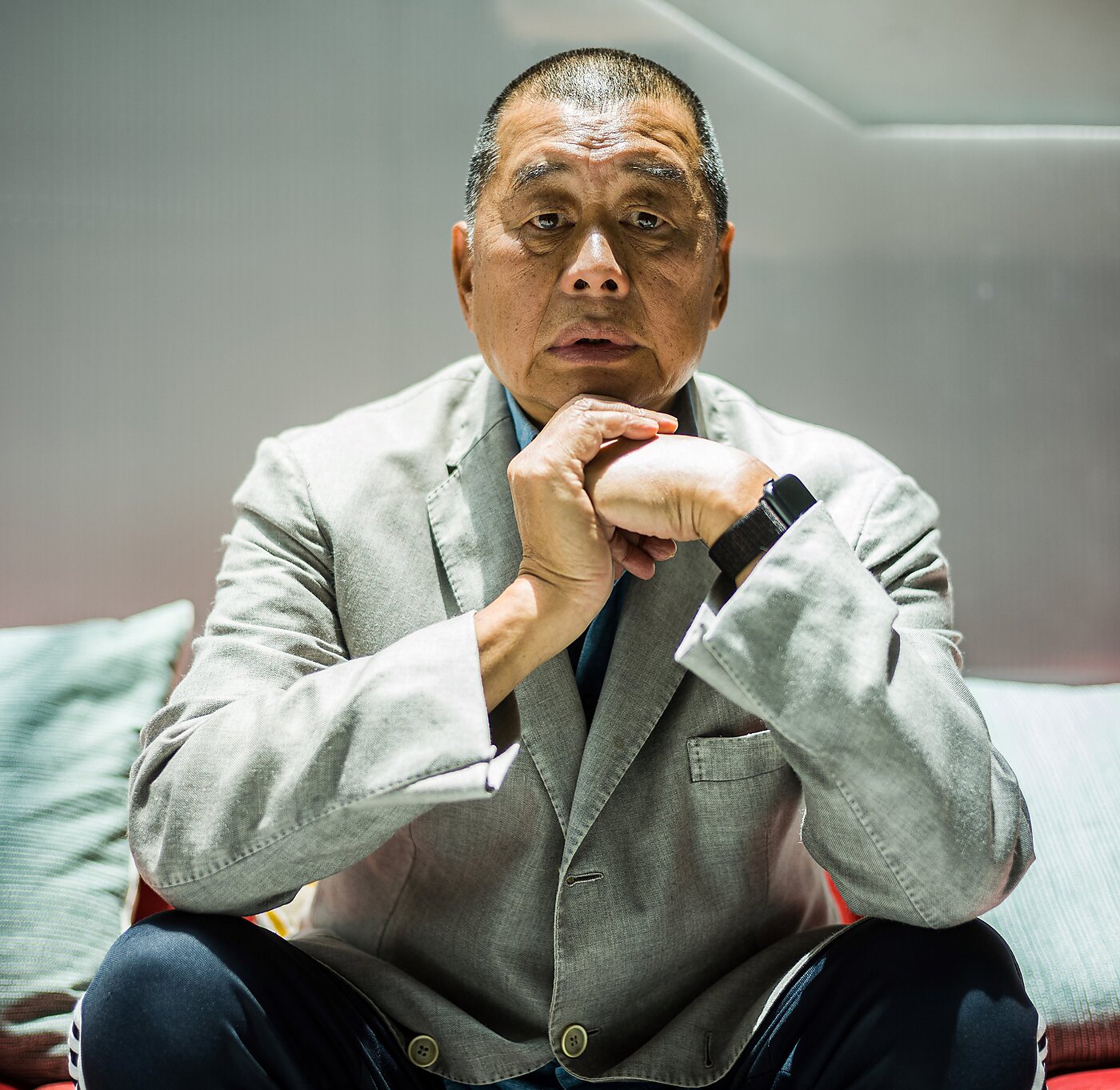
Earlier this month, a Hong Kong court sentenced Lai, a prominent China critic and former media tycoon, to 20 years in prison in a landmark foreign-collusion case under the city’s national security law.
Lai, 77, was convicted of conspiring with foreign forces — a charge he has denied. His sentencing drew immediate condemnation from Western governments, who called the prosecution politically motivated and a violation of Hong Kong’s promised autonomy.
The case is widely seen as a test of how Beijing would enforce the national security law imposed on Hong Kong in 2020, which gives authorities broad powers to punish perceived threats to the Chinese Communist Party.
The Summons
China’s response was swift and coordinated.
The commissioner’s office summoned representatives from the four Western missions separately, delivering identical messages of protest. The meetings were not publicly disclosed until Saturday, when Beijing released a statement framing the diplomatic démarche as a defense of sovereignty.
“The Chinese government is unwavering in safeguarding national sovereignty, security and development interests,” the statement said. “Hong Kong affairs are purely China’s internal matters and brook no interference from any external forces.”
Western Criticism
The UK Foreign Office had previously described Lai’s sentencing as “a further example of the shrinking of Hong Kong’s freedoms.” The US State Department called it “a travesty of justice” and demanded Lai’s release. Australia’s foreign minister expressed “deep concern,” while the EU’s diplomatic service said the verdict “undermines confidence in Hong Kong’s judicial system.”
China’s diplomatic protest is unlikely to alter those positions. But the decision to summon envoys — and to announce it publicly — signals Beijing’s determination to push back against international criticism as it consolidates control over Hong Kong nearly five years after imposing the security law.
What Comes Next
Lai, whose Apple Daily newspaper was shut down in 2021, remains in prison. His legal team has said they will appeal the sentence, a process that could take months.
Meanwhile, the diplomatic standoff shows no signs of easing. Beijing’s message to Western capitals is clear: Hong Kong is China’s business, and foreign governments critical of its national security cases will be met with formal protest — and public condemnation.