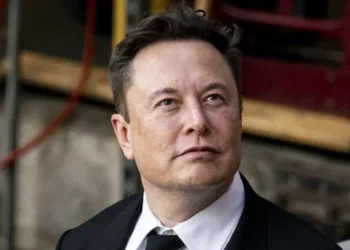
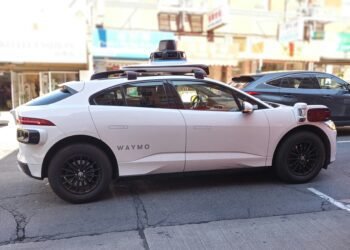
Artificial intelligence is changing how we work faster than anyone expected. Tech leader Bill Gates recently shared strong words about the AI job market impact, warning that rapid automation could disrupt millions of livelihoods across the globe. As artificial intelligence systems grow smarter, they are no longer just handling repetitive tasks; they are stepping into roles once reserved strictly for humans. Gates believes society needs to wake up to these changes before the shift turns into a major economic crisis.
Why the AI Job Market Impact Is Different This Time
In the past, new technology usually created more jobs than it destroyed. Machines helped factory workers produce more goods, and computers opened up entirely new industries. However, the current AI job market impact looks very different.
Bill Gates points out that modern AI can write code, analyze data, perform administrative work, and even handle complex customer service roles. Because these systems learn so fast, the displacement of workers could happen much quicker than in past industrial shifts. Gates even suggested that governments might need to tax AI outputs to help fund safety nets for displaced workers, or reserve a percentage of certain jobs specifically for human beings.

Preparing for the Future
Addressing the AI job market impact requires teamwork between tech companies, governments, and everyday workers. Gates stresses that world leaders must step up with smart policies right now rather than waiting for mass layoffs to happen.
Managing these artificial intelligence risks means creating new retraining programs for workers and setting clear boundaries on where automation should be used. While AI brings huge benefits to fields like healthcare and science, protecting human employment remains one of the most urgent challenges of our time.
My Opinion
Bill Gates is right to ring the alarm bell, but we need to look at what this actually means for everyday workers on the ground. It is easy for billionaires and tech founders to talk about global policy changes from a high level, but for regular people, the threat of losing a job to an algorithm is a very real, personal fear.
The idea of reserving human jobs or taxing AI to pay for safety nets sounds helpful, but government policy almost always moves too slowly compared to how fast technology moves. By the time laws are passed, thousands of people could already be out of work. We cannot just rely on top-down regulations. Workers need practical, real-world tools to adapt right now.
Instead of panic, the focus needs to be on pairing human creativity and judgment with technology. AI can generate text, parse spreadsheets, or draft basic legal documents, but it lacks empathy, deep critical thinking, and genuine human connection. The safest jobs in the coming years will likely be the ones where human touch and complex decision-making matter most.
Ultimately, AI should be a tool that helps workers do their jobs better, not a cheap replacement meant to cut company costs. If companies only focus on saving money by cutting staff, they will eventually ruin the very economy they depend on to sell their products.