
In a dramatic surrender to the people’s will, Bulgaria’s government has collapsed. Prime Minister Rosen Zhelyazkov announced his resignation late Wednesday, along with his entire cabinet, bowing to a historic tide of public fury that filled the capital’s streets and projected the word “MAFIA” onto the parliament building.
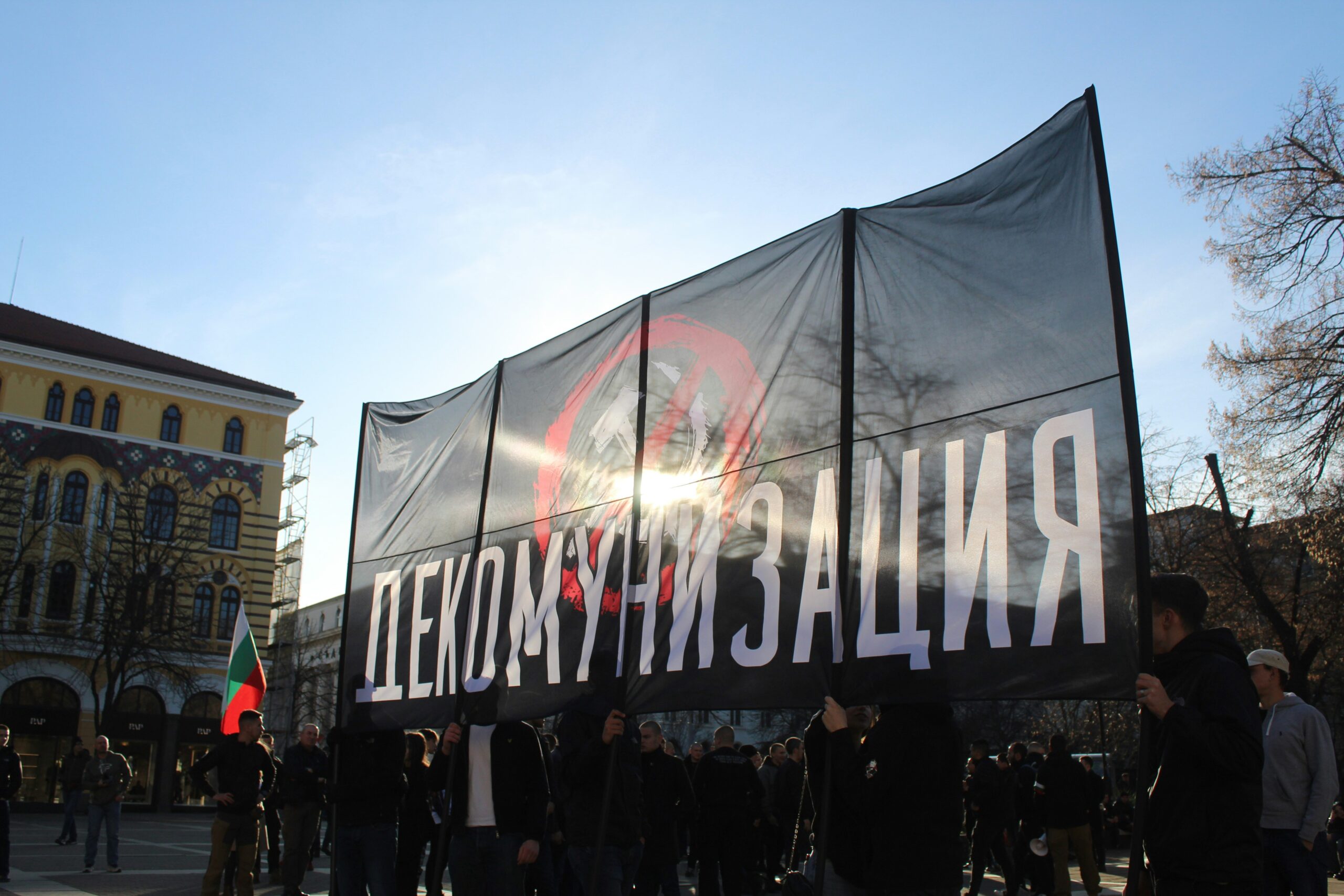
The government’s downfall, just 20 days before Bulgaria is set to adopt the euro, was triggered not by a parliamentary vote but by the sheer force of popular revolt. Between 50,000 and 100,000 citizens flooded Sofia’s “Triangle of Power,” chanting “Resignation!” in a final, undeniable ultimatum that the embattled prime minister could no longer ignore.
The Unholy Alliance That Broke a Nation’s Patience
The protests, which grew for weeks, were fueled by one central, explosive accusation: that the minority centre-right government was a front for a corrupt oligarchic system. The public’s rage crystallized around two powerful figures seen as the true puppet masters:
Delyan Peevski: The oligarch sanctioned by both the US and UK for alleged corruption, whose political party was propping up the government.
Boyko Borissov: The former prime minister and dominant figure within Zhelyazkov’s own GERB party, whose government was toppled by similar anti-corruption protests in 2020.
Protesters marched under the banner “Peevski and Borissov Out of Power,” seeing the current administration not as a legitimate government, but as a revolving door for the same corrupt elites. Borissov’s reported insistence that the coalition cling to power until Euro adoption on January 1st was the final straw.
A Government That Would Not Listen Finally Hears
Zhelyazkov’s government, in power since January, had already scrapped a controversial budget in a failed attempt to quell the unrest last week. It had also survived five parliamentary no-confidence votes and was poised to survive a sixth on Thursday. But it could not survive the streets.
“We hear the voice of citizens protesting against the government,” a defeated Zhelyazkov said in a televised address. “Both young and old have raised their voices for [our resignation]. This civic energy must be supported and encouraged.”
The move was backed by President Rumen Radev, who had already called for the government to step down. The resignation throws the country into immediate political uncertainty, though the planned adoption of the euro on January 1 is not expected to be derailed.
A Nation Trapped in a Cycle of Corruption
The collapse is the latest convulsion in a country trapped in a seemingly endless cycle of protest and political decay. This marks the seventh election cycle in recent years, highlighting a systemic failure to root out graft. Bulgaria consistently ranks among the most corrupt nations in the EU, sitting between Hungary and Romania on Transparency International’s index.
As the ministers remain in a caretaker role, the burning question for Bulgaria is not just who will form the next government, but whether anyone can finally break the stranglehold of the shadowy figures whose alleged corruption sparked the fury that brought this one down.