
Canada’s opposition Conservatives have made their choice clear. After losing a federal election, the party could have panicked, blamed its leader, and started another long internal fight. Instead, party members stood their ground. At a convention in Calgary, they voted in large numbers to keep Pierre Poilievre as leader. The message was simple: the loss was painful, but the party is not ready to change its face yet.
This decision says as much about the mood inside the Conservative Party as it does about Poilievre himself.
A Strong Vote After a Hard Loss
The leadership review was not optional. Party rules demanded it after the election defeat. When the votes were counted, Poilievre secured 87.4% support. That is not a narrow escape. It is a strong show of confidence.
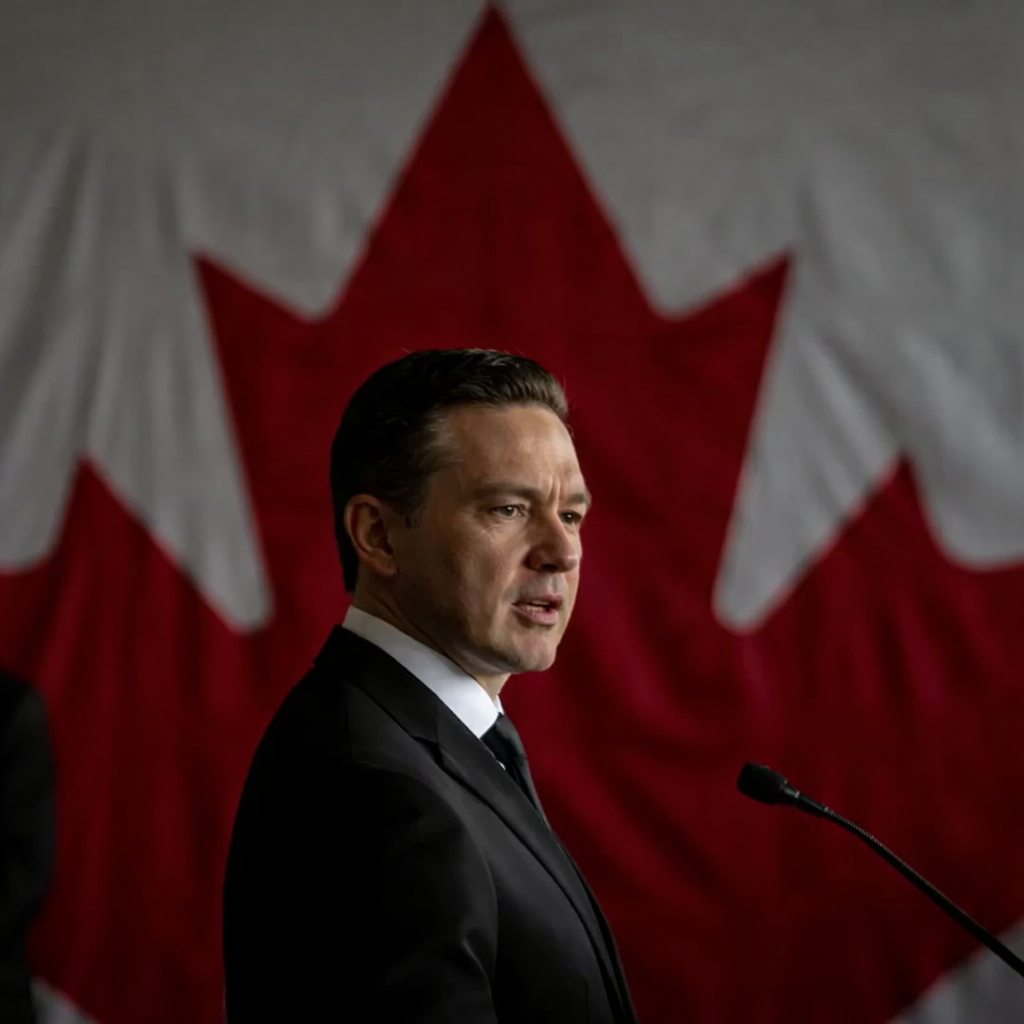
Some party insiders had already set the bar. Before the vote, there were quiet talks that anything below 75% would signal trouble. Poilievre cleared that line comfortably. Inside the party, this is being read as unity, or at least a decision to stop fighting each other for now.
Why The Party Stayed Loyal
Only months earlier, the Conservatives looked unstoppable. They held a lead of more than 20 points over the Liberals. Then the campaign shifted. U.S. President Donald Trump’s repeated threats to make Canada the 51st U.S. state changed the tone of the election. Many Canadians rallied behind Liberal leader Mark Carney, not because they loved him, but because they felt the country was under pressure from outside.
In that moment, Poilievre’s sharp style did not land the way it once did. Still, many Conservatives believe the loss was about timing and fear, not bad leadership. That belief helped him survive the review.
The Irony of a Leader Without a Seat
One of the strange parts of Poilievre’s story is that he lost his own seat during the election. That alone would have ended some political careers. But he returned to parliament after winning a by-election in August. Inside the party, this comeback is seen as proof of resilience.
To supporters, it shows he can take a hit and stand back up. To critics, it raises questions about how well he connects with voters outside his base.
Loved Inside, Doubted Outside
This is where the problem remains. Polls show that about 80% of Conservative voters support Poilievre. That is solid. But among the wider public, the picture is different. A majority of Canadians still view him unfavourably.
At the same time, Prime Minister Mark Carney is enjoying strong approval ratings, now around 60%. This gap matters. Winning the party is one thing. Winning the country is another.
A Bet on the Future, Not The Past
By choosing to double down on Poilievre, Conservatives are making a clear bet. They believe his message can still work in the next election, once memories of Trump’s threats fade and voters return to local issues like the cost of living and trust in government.
The party is saying, “This is the horse we’re riding.” It is a risky choice, but also a familiar one in politics. Parties often stick with leaders they know, rather than gamble on new faces.
What This Decision Really Means
Whether this loyalty pays off will depend on Poilievre’s next moves. He has the party behind him. What he does not yet have is the confidence of most Canadians. That is the real battle ahead.