• Home
  • News
  • Government
  • Business & Finance
  • Entertainment
  • Sports
  • Tech
  • Health
  • About Federal Character
  • Advertise With Us
Federal Character
No Result
View All Result
Federal Character
  • Home
  • News
  • Government
  • Business & Finance
  • Entertainment
  • Sports
  • Tech
  • Health
  • About Federal Character
  • Advertise With Us
No Result
View All Result
Federal Character
No Result
View All Result
Home News
CBN Data Exposes Nigeria’s Growing Dependence on Foreign Food

CBN Data Exposes Nigeria’s Growing Dependence on Foreign Food

Food Imports on the Rise Despite Local Production Drive

Eriki Joan UgunushebyEriki Joan Ugunushe
10 months ago
in News
Reading Time: 3 mins read
A A
0
Facebook ShareWhatsapp ShareX Share

Fresh figures from the Central Bank of Nigeria (CBN) have revealed a worrying increase in the nation’s food import bill, deepening concerns over Nigeria’s growing dependence on foreign food sources. Between April 2024 and March 2025, the country spent $2.39 billion on food imports—an 11.6 per cent jump from the previous year’s $2.14 billion.

The report paints a picture that should trouble policymakers. For years, the government has promised to strengthen local agriculture and reduce food imports, yet the latest data show that Nigeria’s dependence on imported items keeps expanding. With rising inflation, insecurity in farming areas, and the naira’s weak exchange rate, the promise of food self-sufficiency appears to be slipping away.

Table of Contents

Toggle
  • The Cost of Dependence
  • Hunger Deepens Across the Country
  • The CBN’s Position
  • Why It Matters
  • Beyond Numbers: A National Warning

The Cost of Dependence

This steady rise in import spending highlights how Nigeria’s agricultural policies are struggling to deliver results. Despite massive interventions such as the Anchor Borrowers’ Programme and various credit schemes, local farmers continue to face challenges, ranging from insecurity to high input costs and poor infrastructure.
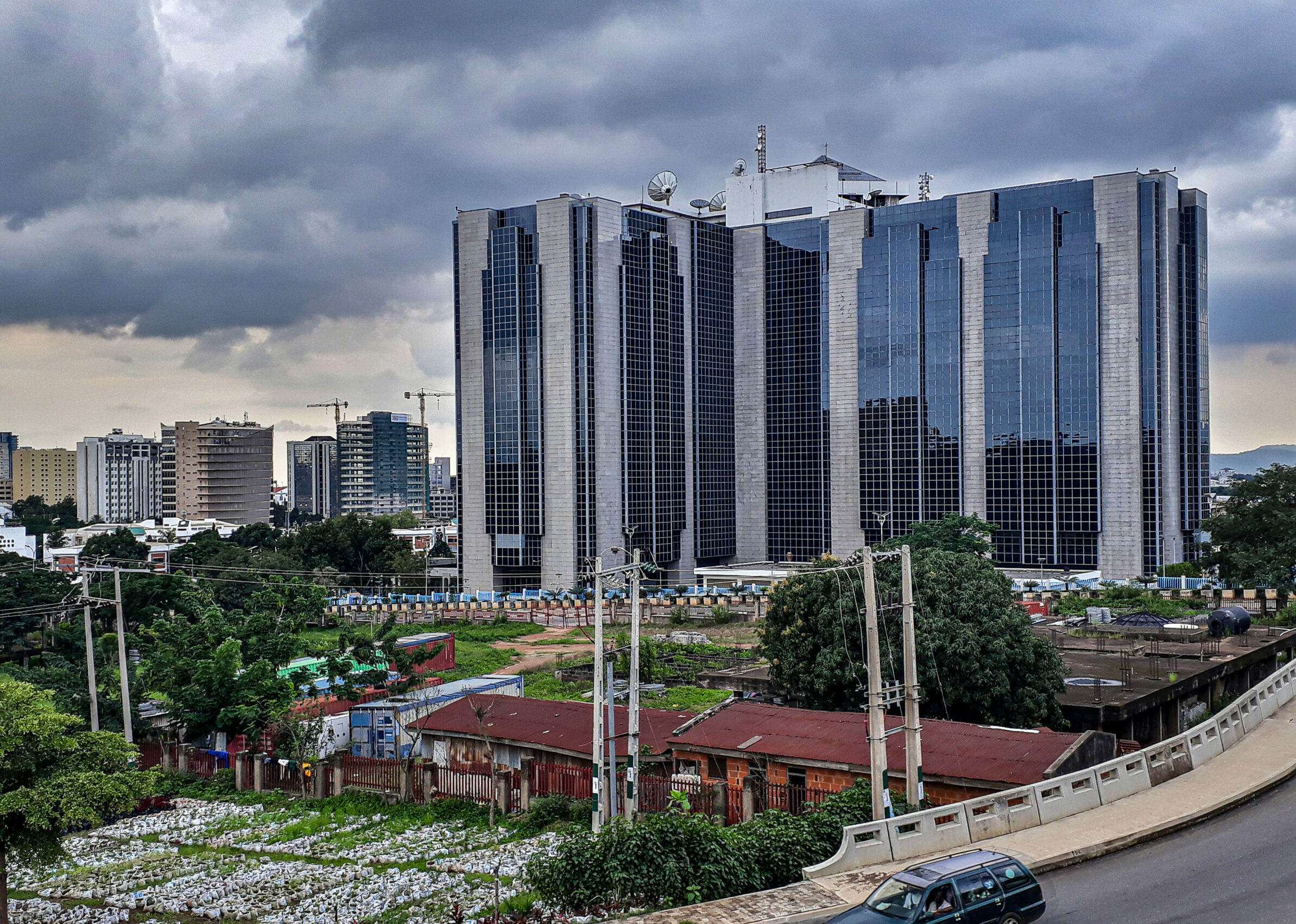
CBN Data Exposes Nigeria’s Growing Dependence on Foreign Food

The CBN data exposing Nigeria’s dependence on foreign food reflects more than just economic pressure; it underscores a deeper issue of productivity failure. In 2024 alone, import payments surged sharply, peaking at $275 million in August—the highest in a single month that year.

The country’s reliance on imported wheat, rice, sugar, and processed foods continues to undermine local capacity. As food import payments rise, foreign reserves take the hit, and the naira weakens further.

Hunger Deepens Across the Country

While billions are spent on foreign food, millions of Nigerians face worsening hunger. The International Federation of Red Cross and Red Crescent Societies recently reported a “worsening nutrition emergency” across Borno, Adamawa, and Yobe states.

Malnutrition rates have climbed among children under five, driven by conflict, displacement, and food scarcity.
This situation exposes the painful irony: the more Nigeria spends abroad, the less its citizens can afford to eat at home. A nation that once aimed to feed the continent now struggles to feed its own.

The CBN’s Position

The CBN has warned repeatedly that the country must address its dependence on foreign food if it wants to stabilise the economy. The apex bank argues that import substitution remains key to long-term growth.

“The economic stability engendered by the reforms implemented so far must be supported by reinstating Nigeria’s import substitution strategies,” the CBN said in July. “Boosting industrial productivity across sectors will help lift the economy onto a higher growth path.”

Still, that stability seems far away. The CBN data showing Nigeria’s food dependence suggests that even with monetary reforms, the structural weaknesses in agriculture persist. Without large-scale investments in irrigation, storage, and transport, the cost of imported food will keep climbing.

Why It Matters

The implications are clear. Heavy import dependence makes the economy vulnerable to foreign shocks. A surge in global food prices immediately worsens domestic inflation. The growing food import bill also puts pressure on foreign exchange reserves, leaving less money for critical infrastructure and health.

If the government fails to reverse the trend, Nigeria could face a dual crisis: hunger at home and unsustainable debt abroad.

Beyond Numbers: A National Warning

The CBN data exposing Nigeria’s growing reliance on foreign food is not just an economic report, it’s a warning. Each dollar spent importing food reflects the failure of local systems meant to produce it.

Until insecurity in farming regions is tackled and local farmers are supported with access to credit, mechanisation, and storage, the dependence will only worsen.
In the end, this is not simply about trade or statistics. It’s about national identity and survival. A country that cannot feed itself cannot claim real independence.


Tags: CBN Datafederal characterFinanceForeign FoodNewsNigeria
Share234SendTweet146
Eriki Joan Ugunushe

Eriki Joan Ugunushe

Eriki Joan Ugunushe is a dedicated news writer and an aspiring entertainment and media lawyer. Graduated from the University of Ibadan, she combines her legal acumen with a passion for writing to craft compelling news stories.Eriki's commitment to effective communication shines through her participation in the Jobberman soft skills training, where she honed her abilities to overcome communication barriers, embrace the email culture, and provide and receive constructive feedback. She has also nurtured her creativity skills, understanding how creativity fosters critical thinking—a valuable asset in both writing and law.

Related Stories

What Maryland’s Oct. 1 Grocery Pricing Law Means for You

What Maryland’s Oct. 1 Grocery Pricing Law Means for You

byEriki Joan Ugunushe
0

Starting October 1, 2026, the Maryland grocery pricing law Oct 1 officially takes effect across the state. Enacted under the Protection From Predatory Pricing Act (House Bill 895),...

Americans Cut Travel Costs Without Giving Up Summer Trips — Bank Of America

Americans Cut Travel Costs Without Giving Up Summer Trips — Bank Of America

byAyobami Owolabi
0

Americans remained committed to travelling and attending entertainment events this summer despite rising costs, with many households adjusting their spending to make their plans more affordable, according to...

US School Bus Driver Shortage Persists as Districts Raise Pay to Compete

US School Bus Driver Shortage Persists as Districts Raise Pay to Compete

bySomto Nwanolue
0

School districts across the country continue to struggle to recruit and retain enough school bus drivers, forcing them to compete with other employers for a limited pool of...

​British Museum Negotiates Return of Sacred Caribbean Artefacts

​British Museum Negotiates Return of Sacred Caribbean Artefacts

byEriki Joan Ugunushe
0

​A diplomatic delegation led by Jamaican Culture Minister Olivia Grange has arrived in London to ensure the return of sacred Caribbean artefacts as part of a campaign for...

Next Post
Guelleh Joins Biya, Ouattara in the Race to Die in Office

Guelleh Joins Biya, Ouattara in the Race to Die in Office

Leave a Reply Cancel reply

Your email address will not be published. Required fields are marked *

Federal Character

We bring to you precise and factual news.
Towson, Baltimore, Maryland, USA

Recent Posts

  • Iran Medicine Shortages Worsen as US Tightens Sanctions, Blockade
  • Australia Proposes Law Allowing Social Media Users to Opt Out of Algorithms
  • US Bans Canadian Alcohol, Dairy, Motorbikes in Trade War Escalation

Categories

  • Beauty
  • Business & Finance
  • Entertainment
  • Fashion & Lifestyle
  • Food & Nutrition
  • Government
  • Health
  • News
  • Politics
  • Sports
  • Tech

Weekly Newsletter

  • Home
  • About Federal Character
  • Advertise With Us
  • Cookie Policy
  • Sitemap

Copyright © FederalCharacter.com 2026 .

Welcome Back!

Login to your account below

Forgotten Password?

Retrieve your password

Please enter your username or email address to reset your password.

Log In
No Result
View All Result
  • Home
  • News
  • Government
  • Business & Finance
  • Entertainment
  • Sports
  • Tech
  • Health
  • About Federal Character
  • Advertise With Us

Copyright © FederalCharacter.com 2026 .