
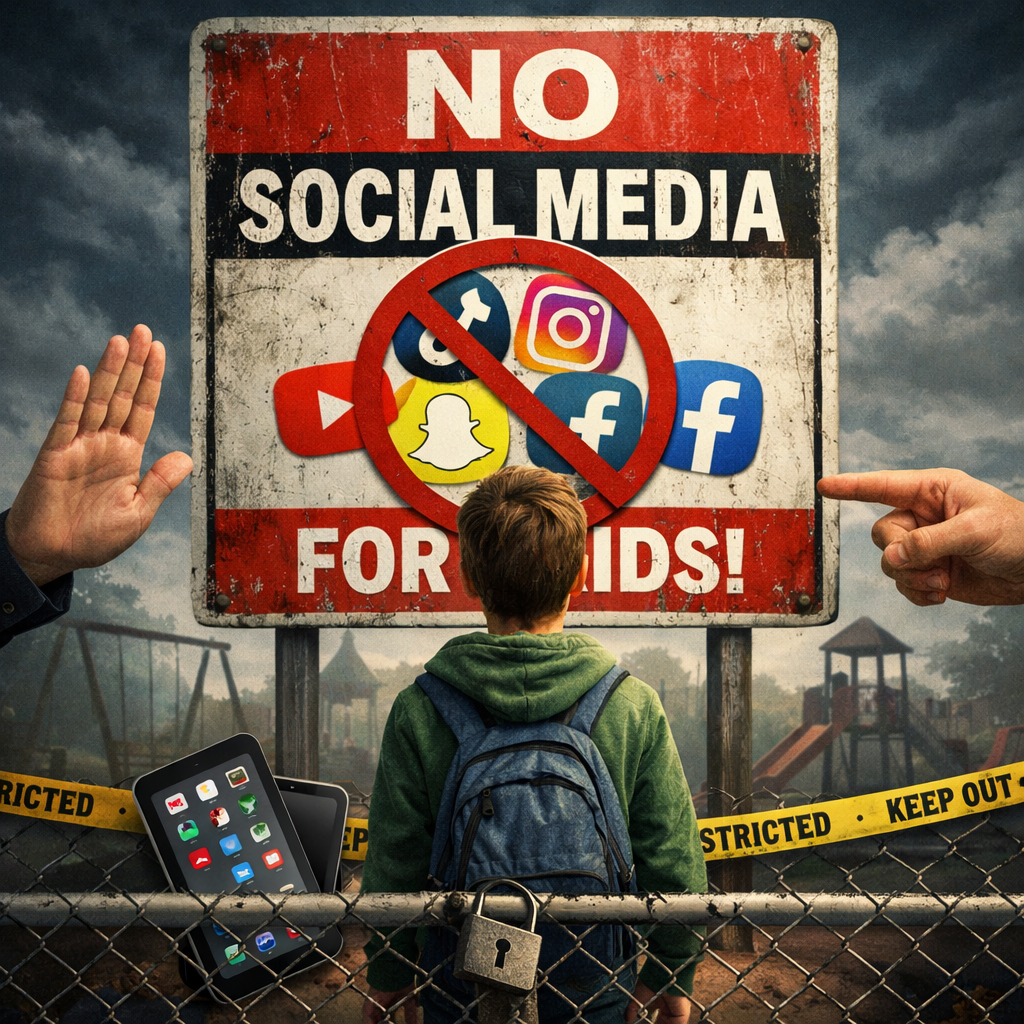
The British government is weighing a radical policy that would fundamentally reshape childhood for millions: a comprehensive, Australia-style ban on social media for all children under the age of 16. Prime Minister Keir Starmer declared on Tuesday his administration was prepared to take “robust action,” warning that unchecked, platforms risk pulling kids into “a world of endless scrolling, anxiety and comparison.” The question at the heart of a fierce national debate is no longer if something must be done, but whether the UK is prepared to pull the trigger on what critics call a “digital nuclear option.”
The proposed ban, which would mirror Australia’s first-in-the-world move last month, represents the most aggressive potential state intervention into children’s digital lives in UK history. It goes beyond age checks or content filters, contemplating a wholesale prohibition on access for an entire age cohort.
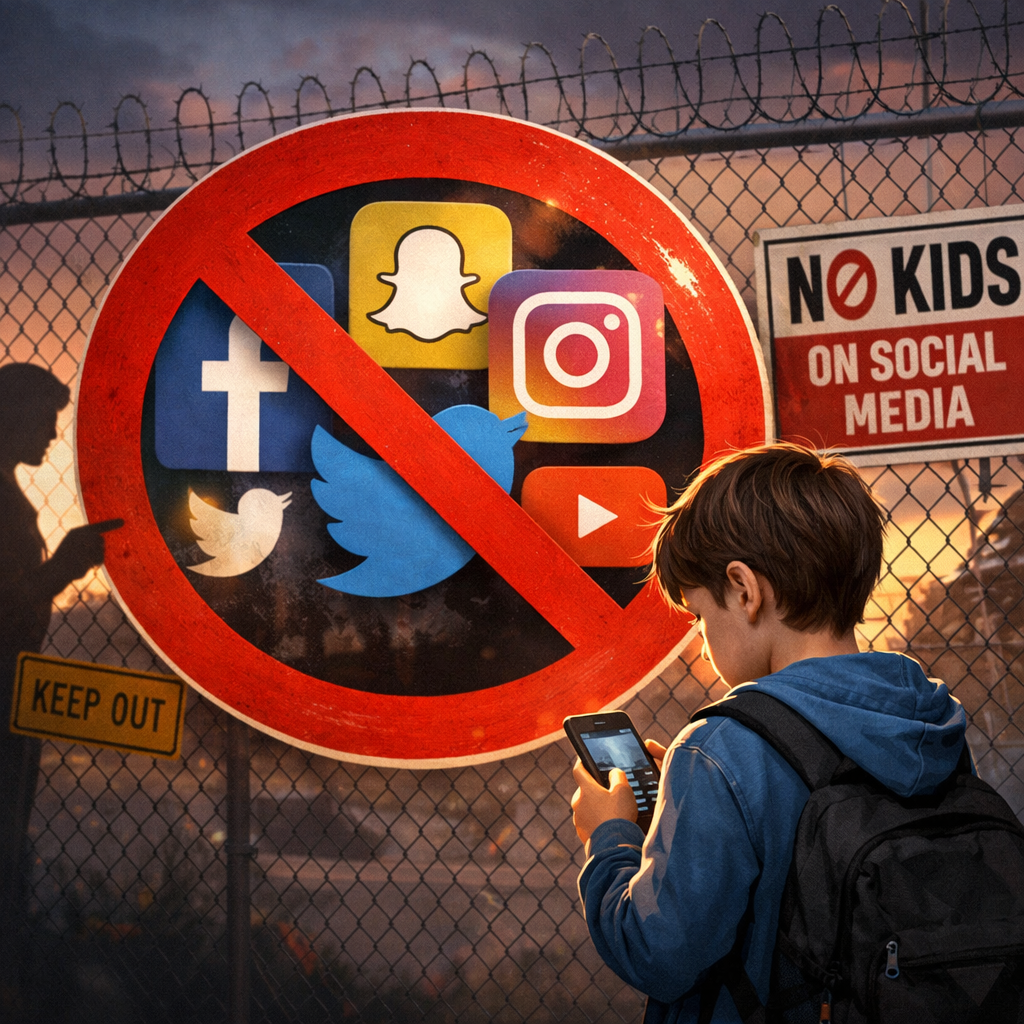
“No option is off the table,” Starmer stated, as he announced ministers would soon travel to Australia to study their model. Technology Secretary Liz Kendall confirmed the government is actively considering the same under-16 threshold, framing it as a necessary defense against a mental health crisis fueled by addictive design and, increasingly, malicious AI.
The Case for the Ban: Protecting a Generation from ‘Addictive’ Design
Proponents argue that self-regulation by tech giants has catastrophically failed, and that features like “infinite scrolling” and algorithmically-driven feeds are deliberately engineered to be addictive, harming adolescent development. The government’s move is part of a broader “pro-child” crackdown that includes plans to ban AI “nudification” tools and prevent children from sharing nude images.
Starmer’s language frames the issue in starkly moral terms: “Childhood should not mean judgement from strangers or pressure to perform for likes.” The recent scandal over Elon Musk’s Grok AI chatbot generating non-consensual sexual imagery of minors has added explosive urgency, highlighting how new technologies are creating novel, horrifying risks faster than regulators can respond. For advocates, a blanket ban is the only clear, enforceable line left to draw.
The Immense Obstacles: Enforcement, Evasion, and the ‘Digital Divide’
Skeptics, including within the government, warn of daunting practical and social pitfalls. Kendall herself acknowledged fears that a ban could “let platforms off the hook” for making their products safer and simply “push harmful activity underground” onto less regulated platforms or the dark web. There is also the risk of depriving young people of the positive aspects of social media: community, creativity, and support networks.
The central challenge is enforcement. How does a government reliably stop a tech-savvy 15-year-old from creating an account? While the UK’s Online Safety Act has increased age checks, critics argue that any system can be bypassed, potentially creating a “digital divide” where only children from less tech-literate households are effectively blocked, while others circumvent the rules, learning to lie and hide their online activity from authorities.
A Global Experiment with a Nation’s Youth at Stake
The UK’s deliberation places it at the forefront of a global regulatory struggle. If enacted, Britain would become the largest Western economy to attempt such a sweeping ban, transforming its 11 million children under 16 into subjects of an unprecedented real-world experiment in digital abstinence.
The stakes could not be higher. Will the UK decide that the proven harms of social media—anxiety, bullying, disordered self-image—are so severe that they justify cutting off an entire generation from a dominant form of communication and culture? The answer will define not just childhood, but the limits of state power in the digital age. As ministers prepare to fly to Australia, the question hanging over Whitehall is now whether the UK could really shut down social media for millions of kids? And more importantly, if it tries, what unintended world will it create?