A United States federal appeals court has declined to reinstate former President Donald Trump’s proposed $100,000 fee for new H-1B work visas, marking another legal setback for the administration’s attempt to significantly increase the cost of employing highly skilled foreign workers.
In a ruling delivered on Friday, the Boston-based 1st US Circuit Court of Appeals refused to suspend an earlier decision that blocked the fee while the government continues its appeal.
The three-judge panel held that the administration had not demonstrated it was likely to succeed in arguing that the president had the legal authority to introduce the charge.
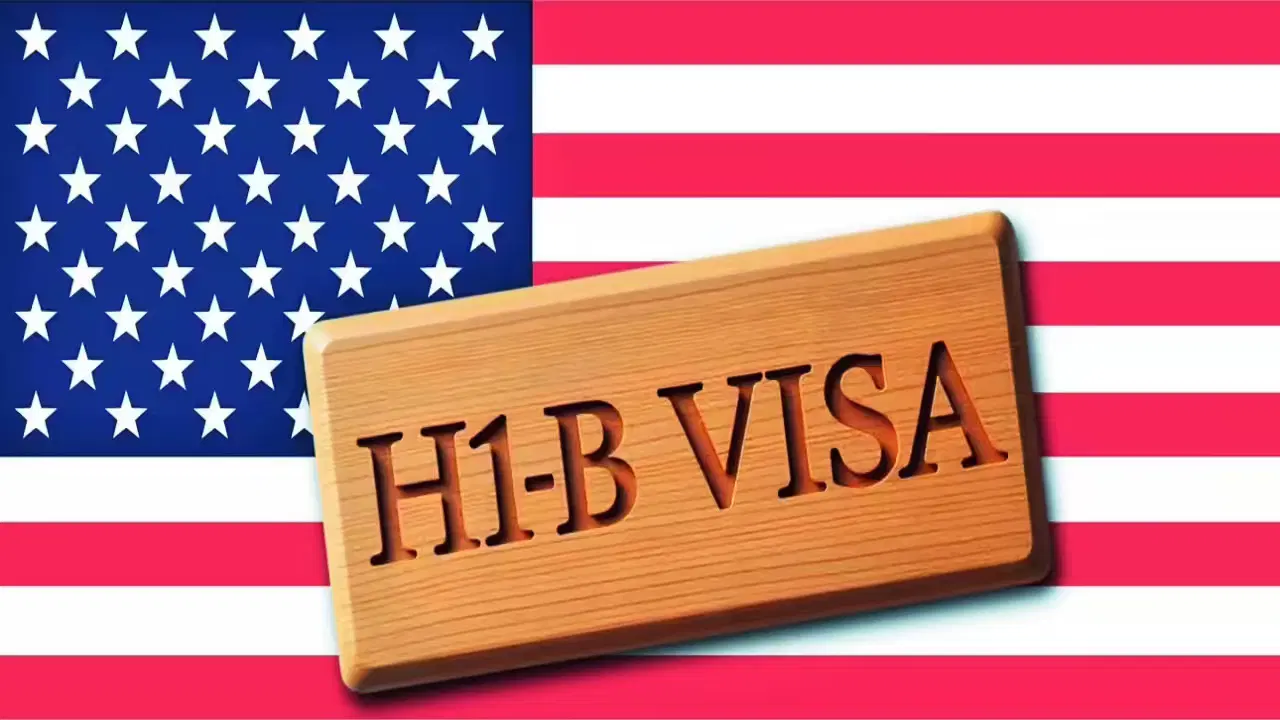
The decision leaves intact a June ruling by US District Judge Leo Sorokin, who found that the proposed fee amounted to a tax, which can only be authorised by Congress.
“Here, the substance and application of the $100,000 payment reveal that it is a tax, regardless of what the payment is called,” Sorokin wrote.
Trump announced the fee in September 2025 as part of his administration’s broader immigration policy, arguing that the H-1B visa programme had been misused.
“The H-1B program has been deliberately exploited to replace, rather than supplement, American workers with lower-paid, lower-skilled labor,” he said at the time.
Brian Hunt, an immigration policy compliance lawyer with Fragomen, Del Rey, Bernsen & Loewy, LLP, said the ruling may not affect a large number of employers because many companies hire H-1B workers who are already living in the United States.
“In light of the 100k fee, there are some workers who were about to lose their job offer but can now get a visa after all,” Hunt said.
The H-1B programme grants about 65,000 visas annually, with an additional 20,000 available for applicants holding advanced degrees. The visa category is widely used by technology firms and other employers seeking skilled professionals from overseas.
Before the proposed increase, employers typically paid between $2,000 and $5,000 in visa-related processing fees.
Court documents also indicated that applications for the programme dropped significantly after the fee was announced, with the US Citizenship and Immigration Services receiving only a limited number of payments by mid-February.
The legal challenge against the policy was filed by a coalition of 20 Democratic state attorneys general.