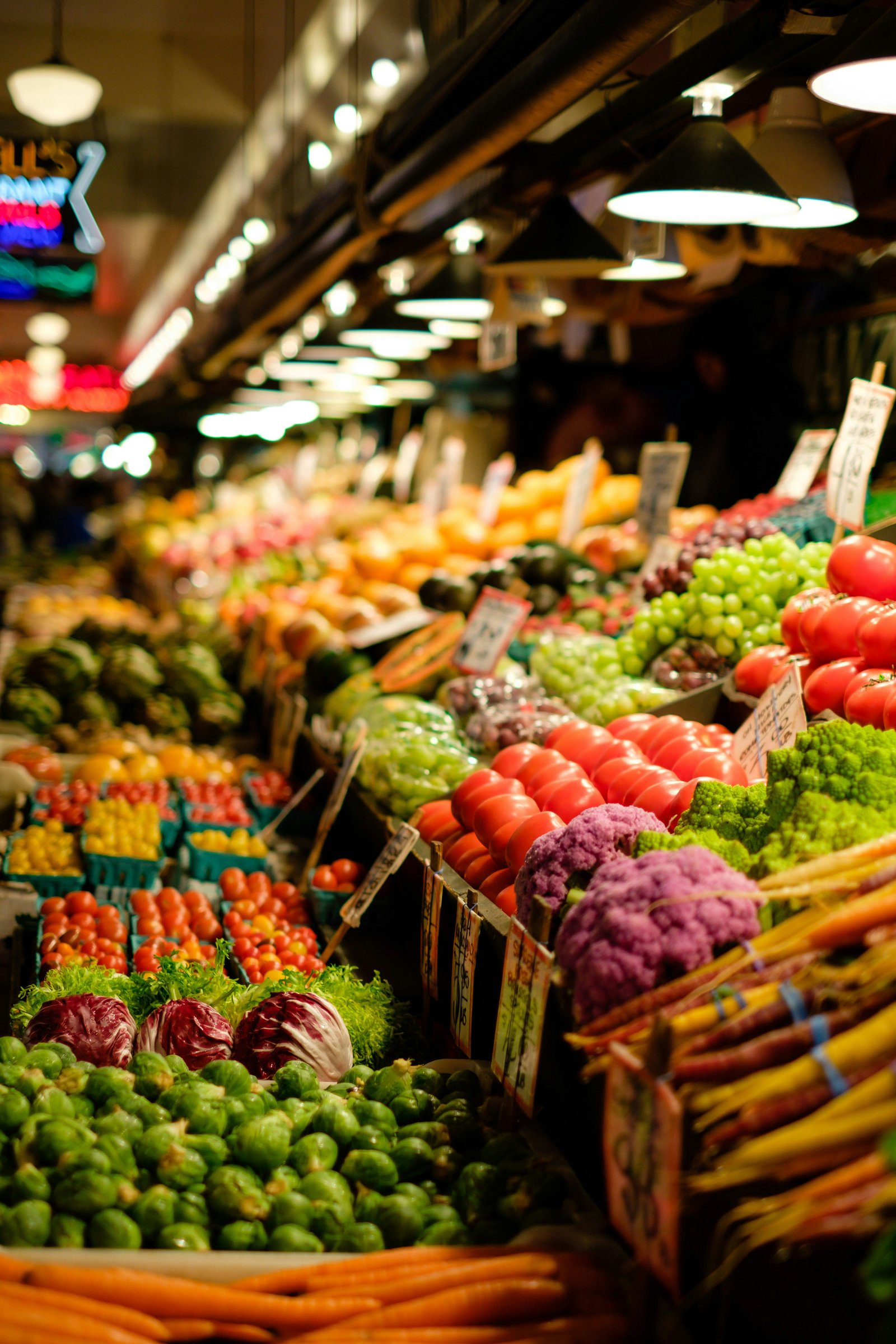

The cyclosporiasis outbreak spreading across the United States has left many people wondering if they are washing their fruits and vegetables correctly. The answer, according to experts, is that there is both a right and a wrong way to do it — and the difference matters.
The outbreak has been particularly severe in Michigan, where health officials have reported 572 cases as of July 4, up from just 170 the week prior. Nationwide, the CDC has identified at least 145 cases across 17 states since May 1, though that number does not include Michigan’s tally. In a typical year, Michigan sees only about 50 cases total.
The source of the current outbreak has not been identified, and no specific grower, supplier, or produce type has been linked to the illnesses. However, health officials say the recent spike in cases across 18 states is unlikely to be caused by a single contaminated product.
What to Avoid
Based on past outbreaks, the Michigan Department of Health and Human Services has flagged several high-risk produce items that have been repeatedly linked to Cyclospora infections: bagged salad mixes and kits, fresh cilantro, fresh basil, raspberries, snow peas, and green onions.
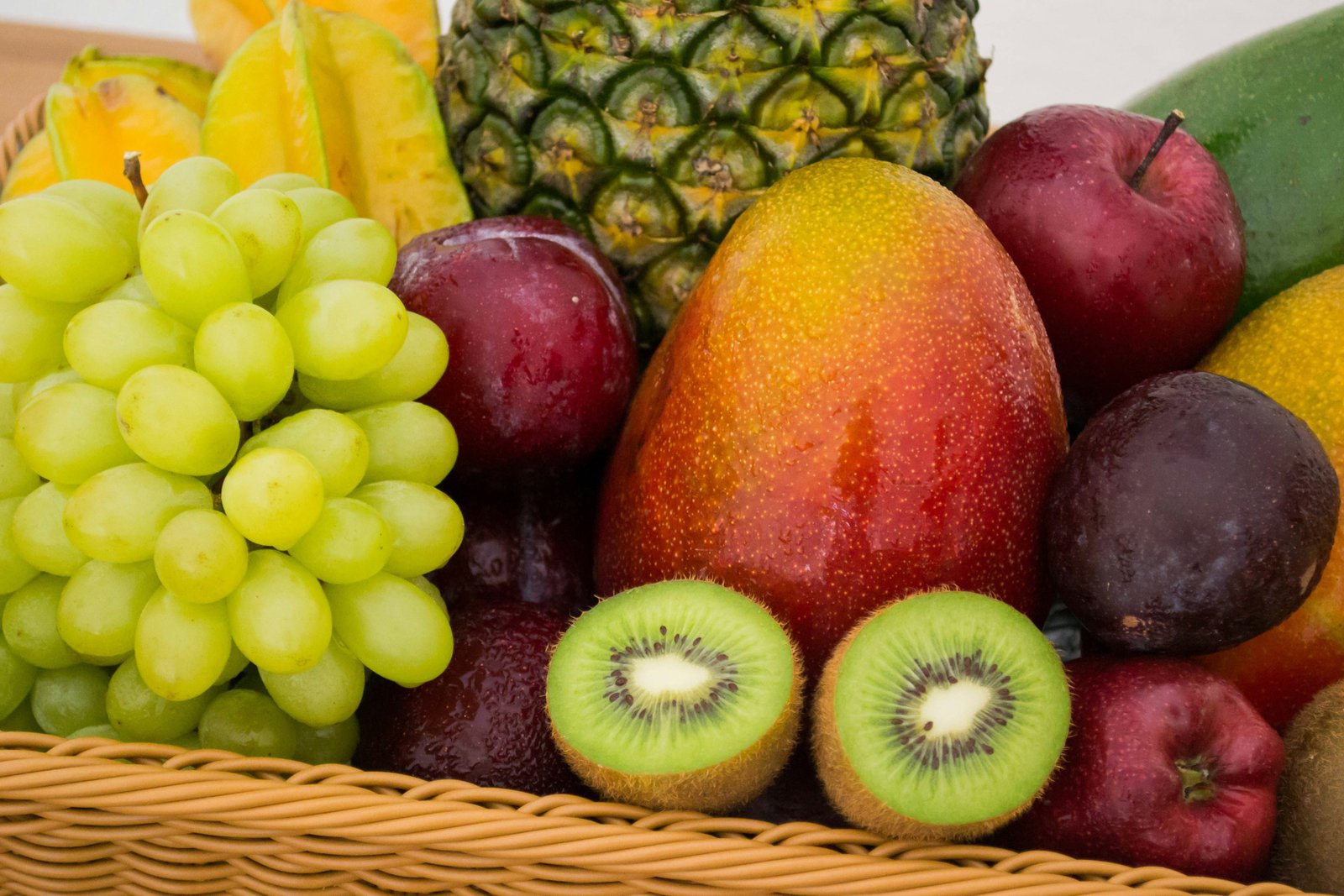
Health officials recommend avoiding pre-cut or bagged salad mixes entirely during the outbreak. Instead, buy whole heads of lettuce, discard the outer two to three layers of leaves, and wash the inner leaves thoroughly under running water.
The Right Way to Wash
For cilantro and basil, wash thoroughly under running water, separating the leaves as you go. For green onions, trim the root end, remove the outer layer, and wash well. Snow peas should be washed under running water while rubbing the surface.
Raspberries present a particular challenge because their bumpy surface makes them difficult to clean thoroughly. Health officials suggest considering frozen raspberries as an alternative to fresh ones.
For all produce, experts recommend washing fruits and vegetables under running water before eating, cutting, or cooking. Scrub firm produce like melons and cucumbers with a clean produce brush. Cut away any damaged or bruised areas before preparing and eating. Produce labeled “prewashed” does not need to be washed again at home.
A Note on Cooking
The safest option for any of the high-risk produce items is to cook them. Heating food to 158 degrees Fahrenheit or higher kills the Cyclospora parasite. Since Cyclospora is not spread from person to person, there is no need to isolate from family members, but anyone preparing food while symptomatic should be especially diligent about handwashing.
The Bottom Line
Hundreds of people across the U.S. have been sickened by cyclosporiasis this summer, with Michigan alone reporting more than 500 cases. The source of the outbreak remains unknown. The CDC and FDA continue to investigate, and no recall has been issued as of this writing. In the meantime, health officials say the best defense is proper washing: throw away the outer layers of lettuce, wash everything under running water, and when in doubt, cook it.