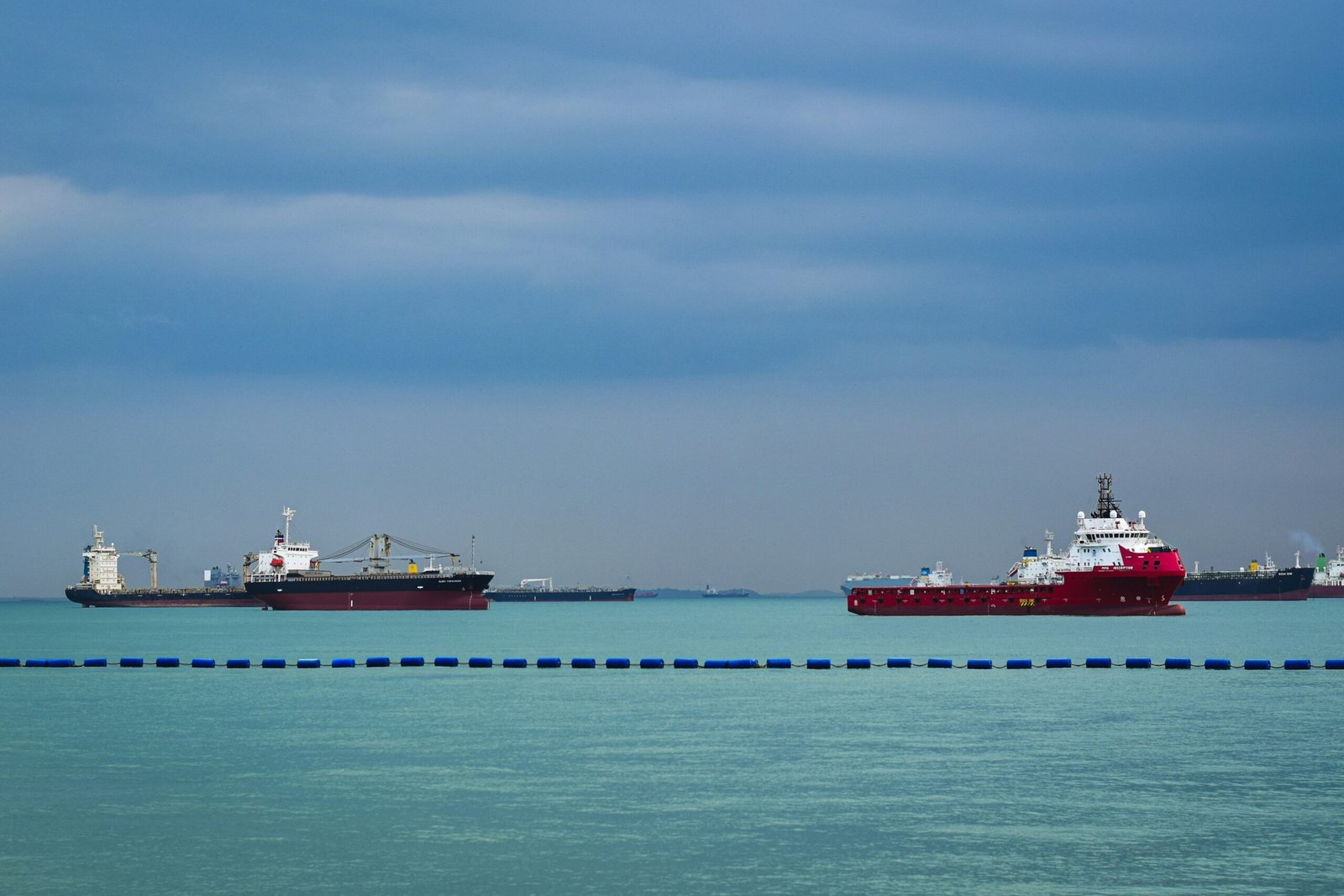

The blockade was supposed to stop them. The Iranian military had declared the waterway closed. US warships were patrolling the exit. Yet on Saturday, more than 20 vessels did exactly what they were not supposed to do. They crossed.
Data from shipping analytics firm Kpler showed that more than 20 vessels passed the Strait of Hormuz on Saturday — the highest number of ships crossing the waterway since March 1. That is not a trickle. That is a surge.
Among the vessels that made it through, five of them last loaded cargoes from Iran, ranging from oil products to metals. There are liquefied petroleum gas carriers, with one each heading to China and India. A Panama-flagged tanker called Crave, carrying LPG from the United Arab Emirates, is heading to Indonesia.
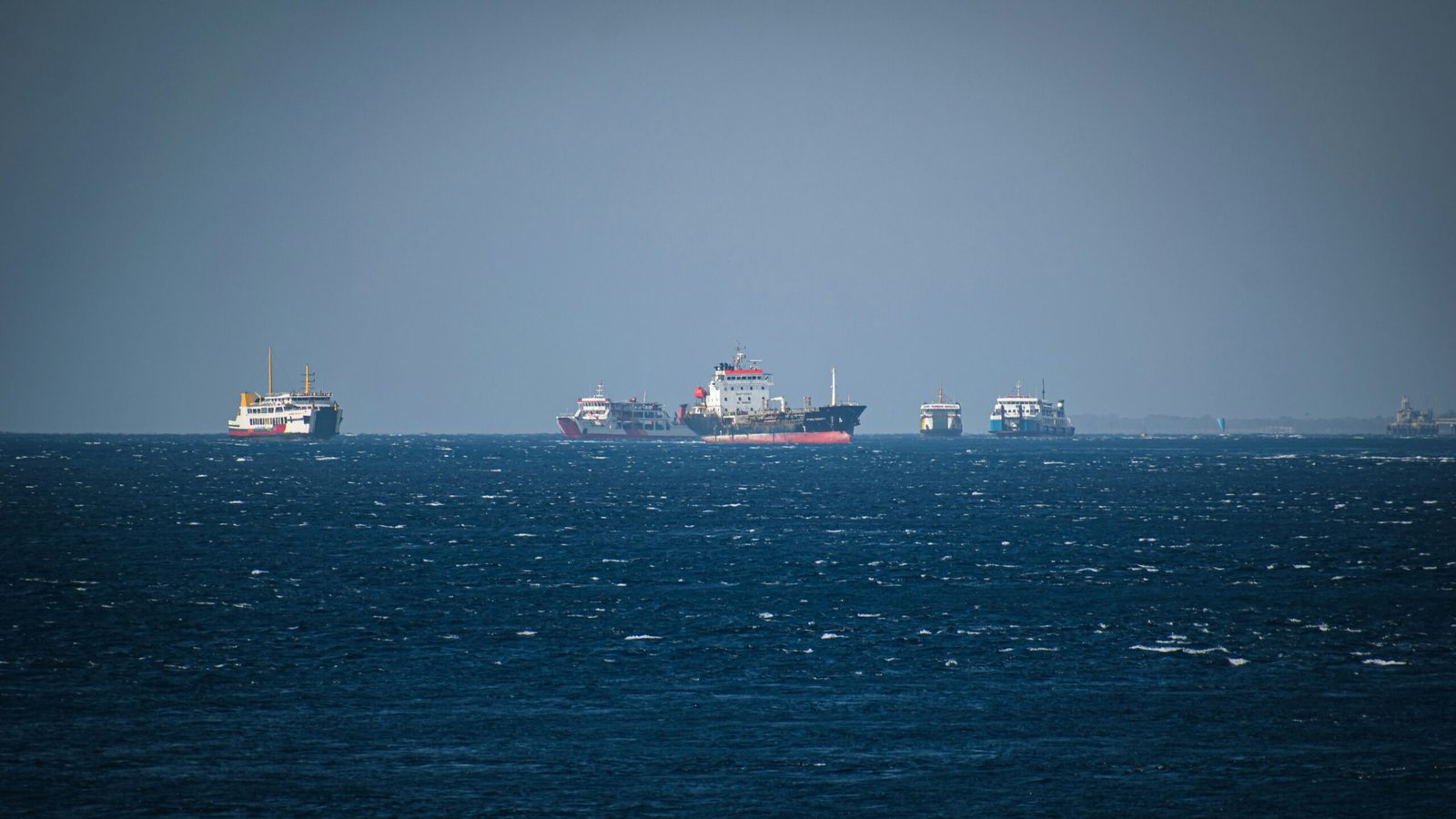
Two of three tankers — Akti A and Athina — carrying refined products loaded from Bahrain are heading to Mozambique and Thailand, respectively. A Liberian-flagged tanker, Navig8 Macallister, is shipping about 500,000 barrels of the UAE’s naphtha to Ulsan in South Korea. A Liberian-flagged Very Large Crude Carrier, FPMC C Lord, is carrying about 2 million barrels of Saudi crude and heading for Mailiao port in Taiwan.
An Indian-flagged vessel, Desh Garima, loaded with about 780,000 barrels of the UAE’s Das crude, is heading to Sri Lanka. A vessel called Ruby, carrying Qatari fertilizer, is heading to the UAE. And a bulk carrier, Merry M, is carrying petroleum coke loaded from Saudi Arabia to Ravenna in Italy.
The diversity of the cargoes is striking. Oil products. Metals. LPG. Naphtha. Crude. Fertilizer. Petroleum coke. This is not a few rogue tankers slipping through. It is a cross-section of global maritime trade.
What This Means
The fact that more than 20 vessels crossed on Saturday — the highest number since March 1 — suggests several possibilities. The blockade may be less effective than advertised. Iran may be selectively allowing ships to pass. Or the ships may have transited before the closure order was fully enforced.
The data from Kpler is not opinion. It is tracking. These ships moved. Their cargoes are en route. Their destinations are recorded.
For global oil markets, the news is calming. Supply lines are not completely severed. For the US blockade strategy, the news is complicated. A blockade that lets 20 ships through in a single day is not a blockade. It is a bottleneck.
The Bottom Line
More than 20 vessels passed the Strait of Hormuz on Saturday, according to Kpler data — the highest number since March 1. Among them were tankers carrying Iranian oil products, Qatari fertilizer, Saudi crude, UAE naphtha, and Bahraini refined products. Their destinations span Asia, Africa, and Europe.
The blockade is still in place. But on Saturday, more than 20 ships proved that “blockade” does not mean “complete shutdown.” The Strait is not fully open. But it is not fully closed either.