
The ceasefire was already fragile. Now it may be shattered.
Concerns grew on Monday that the ceasefire between the United States and Iran might not hold after the US said it had seized an Iranian cargo ship that tried to run its blockade. Iran immediately vowed to retaliate. The message from Tehran was clear: this act will not go unanswered.
Efforts to build a more lasting peace in the region likewise appeared to be on shaky ground. Iran announced that it would not participate in a second round of negotiations that the US had hoped to kick off before the ceasefire expires on Tuesday. The talks that were supposed to extend the peace are now rejected by one side before they can even begin.
The US has maintained a blockade of Iranian ports. Iran has lifted and then reimposed its own blockade on marine traffic passing through the Strait of Hormuz, which typically handles roughly one-fifth of the world’s oil supply. The two blockades exist in parallel, each side claiming the other is the aggressor.
The Seizure
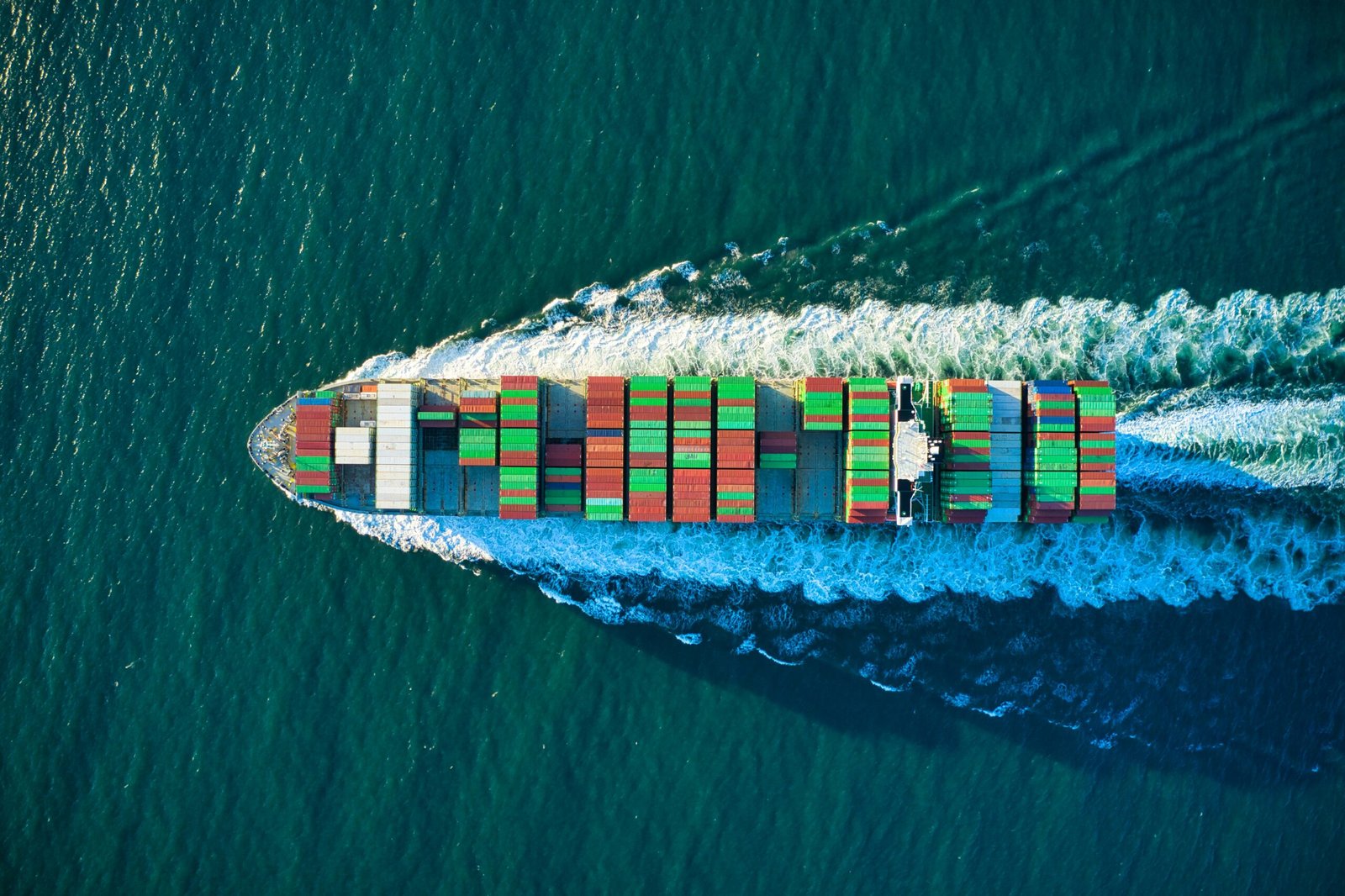
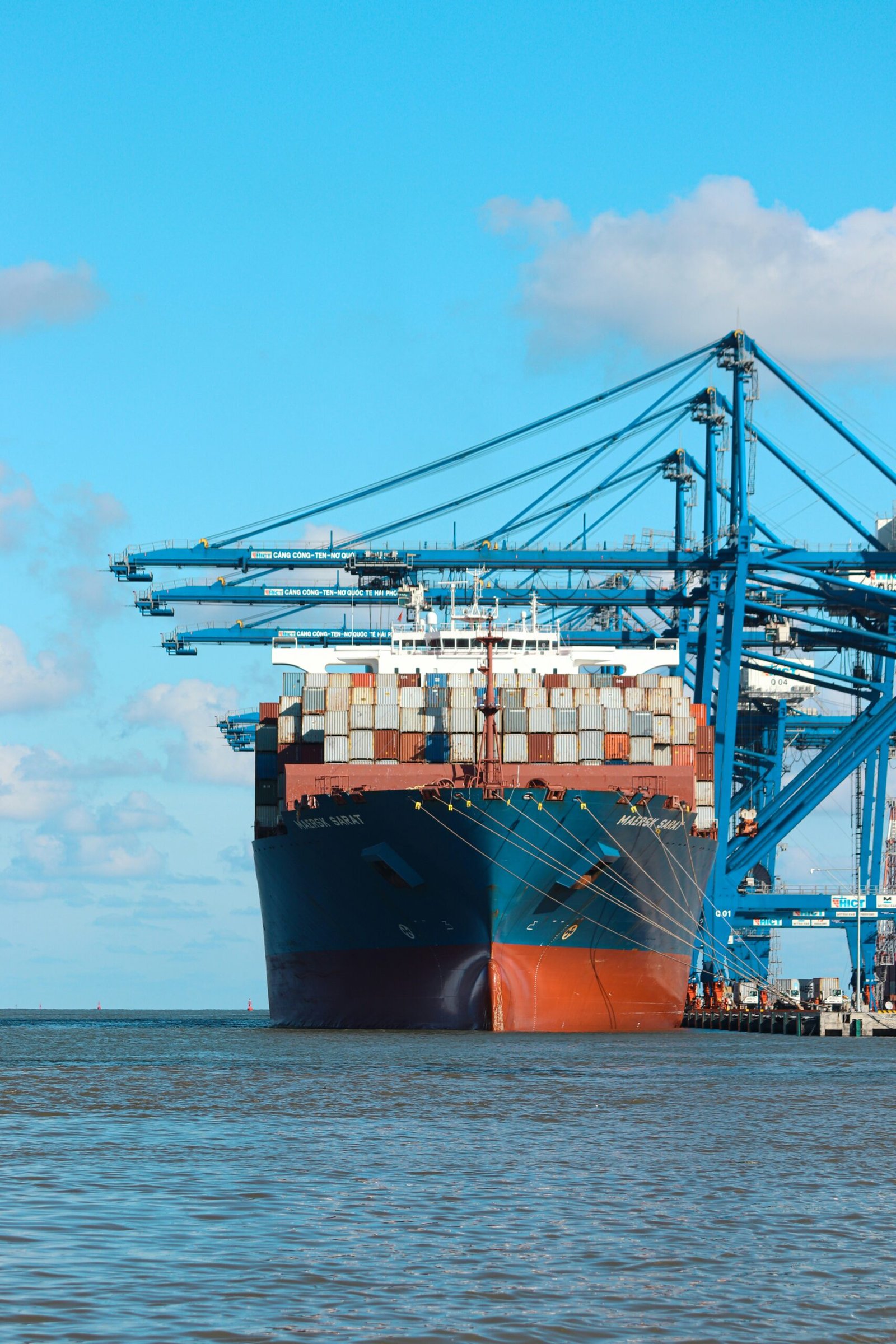
The US military said Sunday that it fired on an Iranian-flagged cargo ship as the vessel sailed toward Iran’s Bandar Abbas port. The details are sparse. What is known is that the ship was intercepted. What is known is that the US now controls it.
“We have full custody of their ship, and are seeing what’s on board!” President Trump wrote on social media. The exclamation point was not subtle. This was a victory lap.
Iran’s military said the ship had been traveling from China. That detail matters. If the cargo originated in China, the diplomatic fallout extends beyond Washington and Tehran. Beijing will have its own questions about why a ship traveling from China was fired upon and seized.
“We warn that the armed forces of the Islamic Republic of Iran will soon respond and retaliate against this armed piracy by the US military,” a military spokesperson said, according to state media. The phrase “armed piracy” is deliberate. Iran is framing the seizure as lawlessness, not legitimate enforcement.
Oil prices jumped, and stock markets wobbled as traders pondered the prospect that traffic in and out of the Gulf would remain at a bare minimum. The markets do not like uncertainty. The seizure created uncertainty.
Iran Rejects Peace Talks
Iranian state media reported that Tehran had rejected new peace talks, citing the ongoing blockade, threatening rhetoric, and Washington’s shifting positions and “excessive demands.”
The rejection is not a surprise. It is a logical consequence. The US seized an Iranian ship while asking Iran to come to the negotiating table. Iran’s response is that the table is not level.
“One cannot restrict Iran’s oil exports while expecting free security for others,” Iran’s First Vice President Mohammadreza Aref wrote on social media. “The choice is clear: either a free oil market for all, or the risk of significant costs for everyone.”
Trump earlier warned Iran that the US would destroy every bridge and power plant in Iran if Tehran rejected his terms. That is not the language of diplomacy. It is the language of ultimatum. Iran has said that if the United States were to attack its civilian infrastructure, it would hit power stations and desalination plants of Gulf Arab neighbors. The threat of retaliation is not abstract. It is specific and devastating.
Preparing for Talks That Might Not Happen
Trump said his envoys would arrive in Islamabad on Monday evening, one day before the two-week ceasefire ends. A White House official told Reuters the US delegation would be headed by Vice President JD Vance, who led the war’s first peace talks a week ago, and also include Trump’s envoy Steve Witkoff and son-in-law Jared Kushner.
But Trump told ABC News and MS Now that Vance would not go. The contradiction is not a detail. It is a symptom. The US cannot keep its own story straight about who is negotiating. That does not inspire confidence in Tehran.
Pakistan, which has served as the main mediator, appeared to be preparing for the talks. Two giant US C-17 cargo planes landed at an air base on Sunday afternoon, carrying security equipment and vehicles in preparation for the US delegation’s arrival, two Pakistani security sources said. Municipal authorities in Islamabad halted public transport and heavy-goods traffic through the city. Barbed wire was rolled out near the Serena Hotel, where last week’s talks were held. The hotel told all guests to leave.
The infrastructure for talks is in place. The political will may not be.
The Human Cost
Now in its eighth week, the war has created the most severe shock to global energy supplies in history, sending oil prices surging because of the de facto closure of the strait. But the human cost is not measured in barrels.
Thousands of people have been killed by US-Israeli strikes on Iran and in an Israeli invasion of Lebanon conducted in parallel since the war began on February 28. Iran responded to the attacks with missiles and drones against Israeli and nearby Arab countries that host US bases.
Iran’s parliament speaker, Mohammad Baqer Qalibaf, who has led Iran’s side in the talks, had earlier said the two sides had made progress but were still far apart on nuclear issues and the strait. The seizure of the cargo ship has only widened the gap.
European allies, repeatedly criticized by Trump for not aiding his war effort, worry that Washington’s negotiating team is pushing for a swift, superficial deal that would require months or years of technically complex follow-on talks. A deal that looks good on paper but cannot be implemented is not a deal. It is a delay.
The Bottom Line
So is the Mideast ceasefire about to die? The US seized an Iranian cargo ship that tried to run its blockade. Iran vowed to retaliate. Iran rejected new peace talks. The ceasefire expires on Tuesday. Oil prices jumped. Stock markets wobbled. Trump warned of destroying Iranian infrastructure. Iran threatened Gulf Arab neighbors.
The ceasefire was always fragile. The seizure may have broken it. The talks that were supposed to save it may not happen. And the world is left watching two powers drift toward a wider conflict, with a seized cargo ship as the latest flashpoint in a war that has already killed thousands and shaken global energy markets.