
More than 100 science, medical, and nutrition experts have signed an open letter urging the Trump administration to release the first-ever federal definition of ultraprocessed foods, as Health Secretary Robert F. Kennedy Jr.’s signature initiative stalls.
The letter, sent Friday to the Office of Management and Budget, warned that “special interests” should not be allowed to hold up the process. “Most Americans are aware of UPF and wish to avoid them, but deeper familiarity with UPF remains limited, signaling a need for guidance,” the letter read.
The administration first announced efforts to define ultra-processed foods in July 2025. But according to media reports, food company CEOs intervened in the definition’s release.
The Resignation
Adding to the pressure is the resignation of Calley Means, a senior adviser to Kennedy and a top ally of the “Make America Healthy Again” agenda. While Means did not cite reasons for leaving, Politico reported that the stonewalled ultraprocessed food definition was a “breaking point.”
Since becoming the nation’s top health official, Kennedy has linked Americans’ overconsumption of ultraprocessed foods to childhood obesity and said the US could not “reverse America’s chronic disease epidemic without transforming our food system.”
What Are Ultraprocessed Foods?
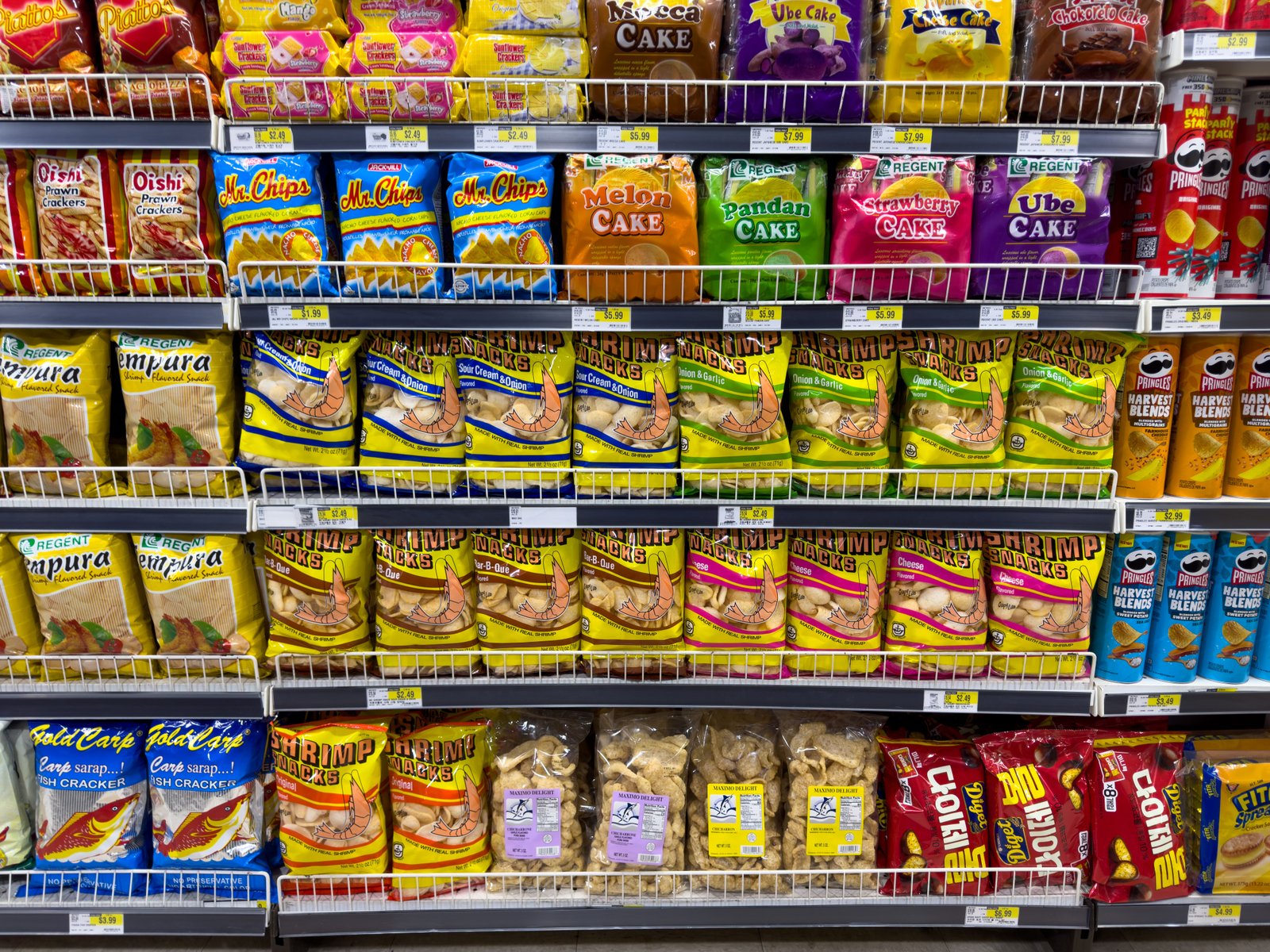
The term comes from the NOVA classification system, proposed in 2009 by researchers in Brazil. Under NOVA, ultraprocessed foods are those that have undergone “extensive industrial manipulation.”
“They have been broken down and then reassembled using cosmetic additives like added colors, added flavors, emulsifiers, or things that make the texture more palatable,” said Lindsey Smith Taillie, a nutrition epidemiologist at the University of North Carolina.
Ashley Gearhardt, a professor of psychology at the University of Michigan, said many ultraprocessed products are “barely even food” and “not designed for nourishment.” Instead, they are designed for consumers “to finish the whole bag before you even realize it.”
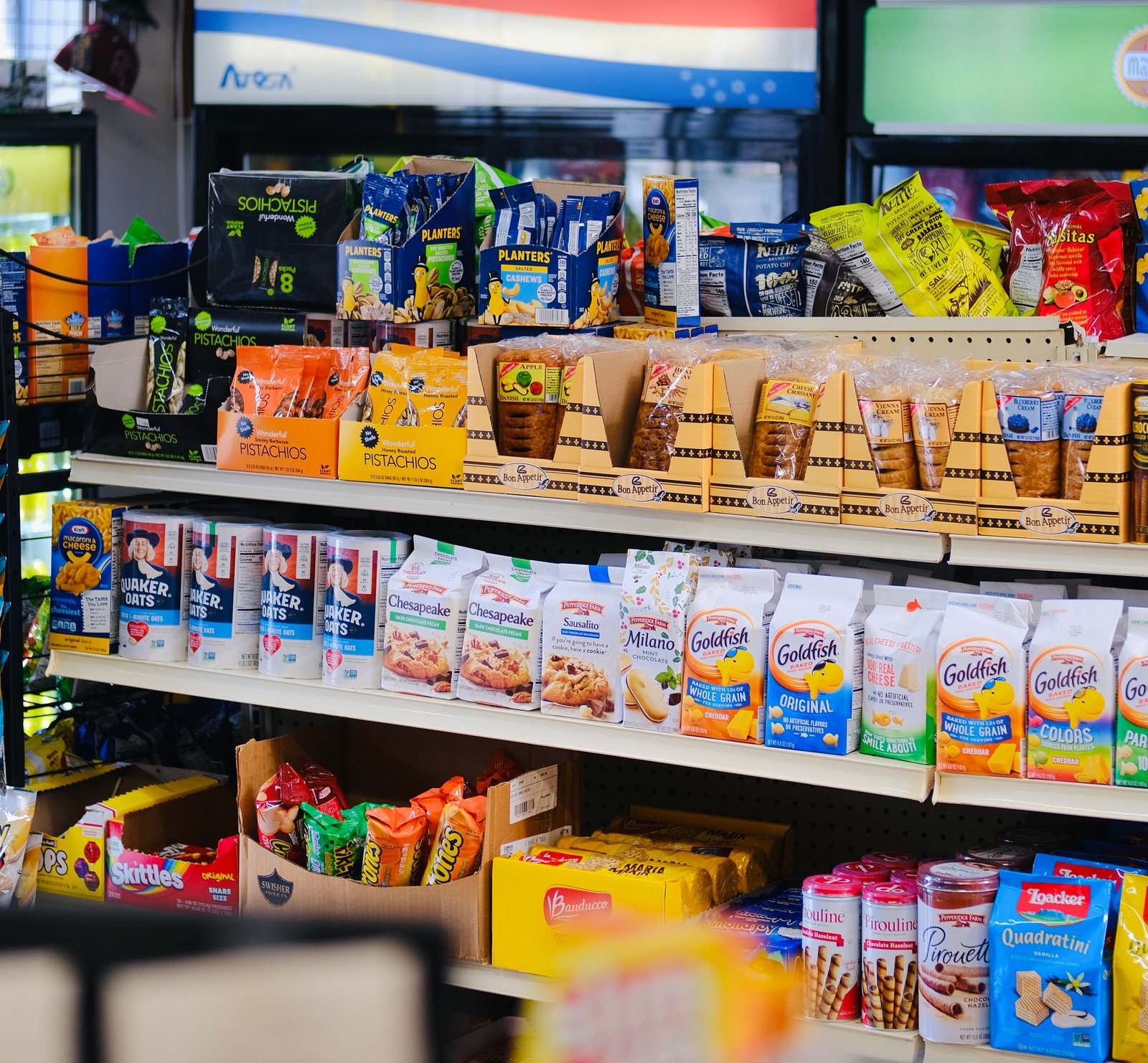
Ultraprocessed foods account for more than 70% of the packaged food supply in the US, according to one study. Numerous studies have linked them to cardiovascular disease, obesity, and Type 2 diabetes.
The Proposed Definition
A panel convened by Healthy Eating Research recommended a two-part definition in June. A product is ultraprocessed if it contains at least one ingredient that falls under the NOVA ultraprocessed category, such as a cosmetic additive or ingredients not typically found in a home kitchen.
Some foods are exempt if they meet the FDA’s definition of “healthy,” meaning the product has adequate amounts of recommended food groups and its added sugar, salt, or saturated fat content is below FDA-recommended levels.
“You can’t just sprinkle some fiber powder on a candy bar and voila, it’s healthy,” Taillie said.
Why a Definition Matters
A federal definition could allow the USDA to alter meals in schools, the military, hospitals, and other agency-based programs. School children and toddlers obtain roughly 47% to 59% of their calories from ultra-processed foods, one 2025 study found.
Experts also called for front-of-package nutrition labels, similar to policies in Chile and Mexico that led to “significant decreases in the consumption of ultraprocessed food.”
California became the first state to remove ultra-processed foods from school lunches. The US Senate has introduced a bipartisan bill to put labels on unhealthy foods and limit junk food marketing to kids, though it has little traction.
The Bottom Line
More than 100 experts are pressing the Trump administration to release a federal definition of ultra-processed foods as RFK Jr.’s MAHA agenda stalls amid reported industry pressure. The definition has been in the works since July 2025 but has faced delays. The resignation of a top Kennedy adviser has added to the pressure. A clear definition is seen as key to regulating school meals and improving public health.
My Opinion
The Trump administration promised to define ultra-processed foods. More than a year later, it still has not. In the meantime, more than 100 experts have signed a letter begging the government to do its job. A top adviser to RFK Jr. has resigned. And food company CEOs have reportedly intervened to slow the process down.
That tells you everything you need to know about who is actually running the “Make America Healthy Again” agenda. It is not the health secretary. It is not the scientists. It is the companies that profit from selling the food that is making Americans sick.
Ultra-processed foods account for more than 70 percent of the packaged food supply in the US. They are linked to heart disease, obesity, and diabetes. They are designed to be addictive and the government cannot even agree on how to define them because the industry does not want them defined.