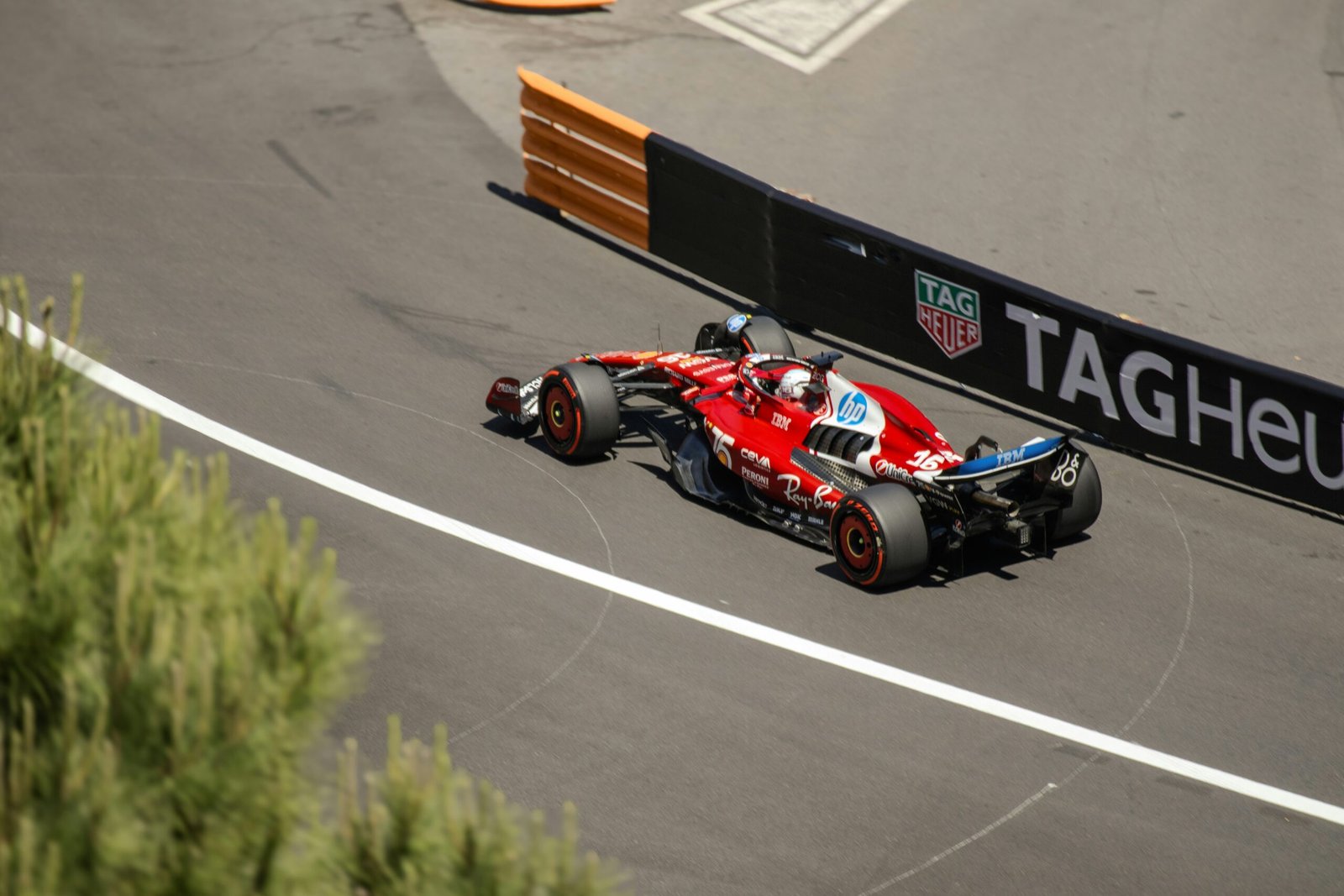

Formula 1’s power unit regulations will be altered for 2027 and 2028, with electric energy use being scaled back in a bid to bring back more ‘flat-out’ racing following widespread driver criticism of the existing regulations.
The 2026 engine formula saw a move to a near 50/50 split between internal combustion and electric energy, as well as the utilisation of fully sustainable fuels. Nevertheless, complaints from drivers and teams have emerged that the system encourages excessive management of energy deployment, with its effect particularly evident during qualifying.
Drivers and teams such as four-time world champion Max Verstappen – who described the existing rules as “anti-racing” – and Fernando Alonso – who labeled the sport “a battery world championship” – say they have to constantly monitor deployment as opposed to driving flat out.
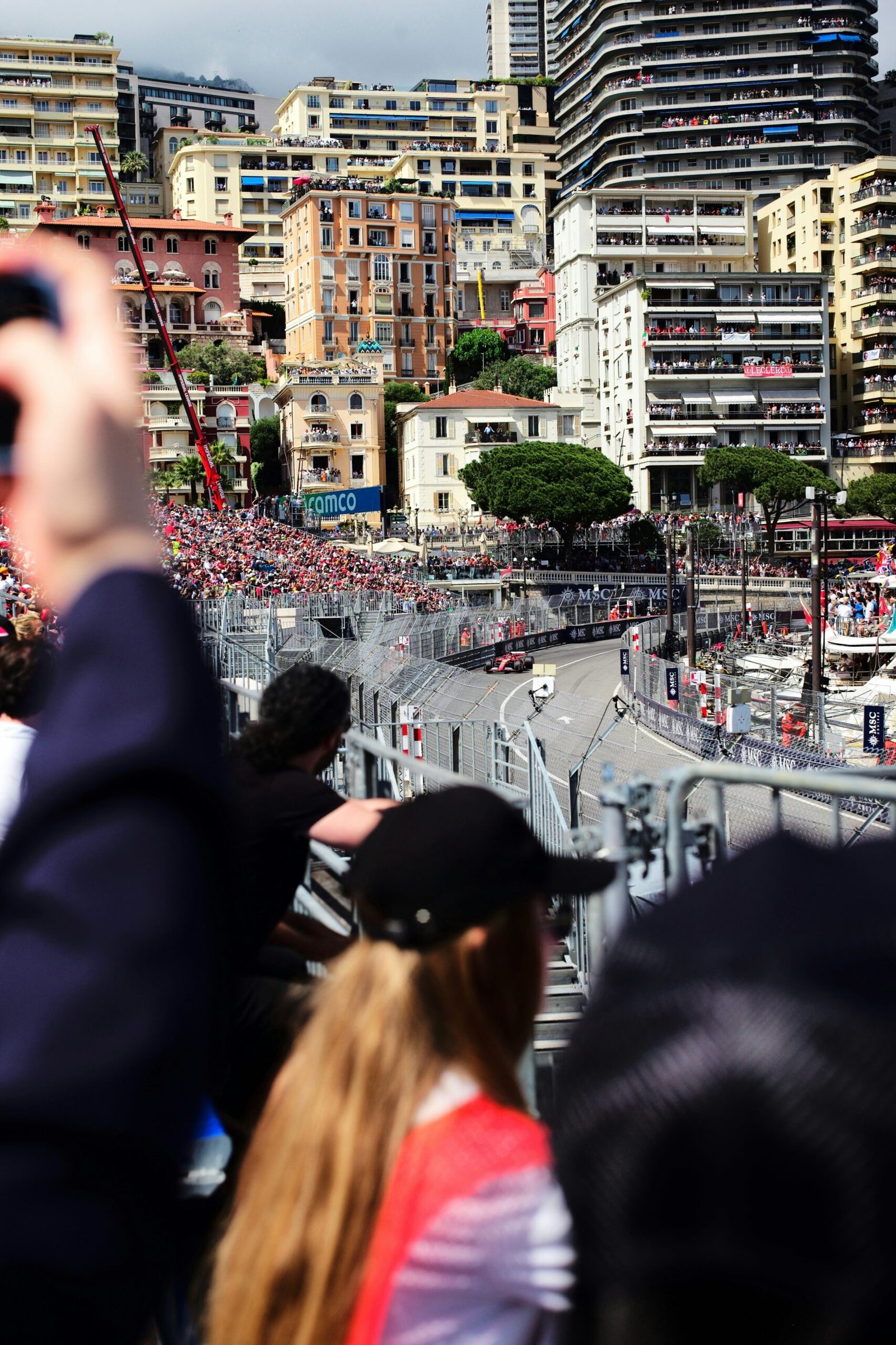
As part of the new agreement – ratified by the FIA – internal combustion power will be boosted by 20kW to 420kW in 2027 and electric output trimmed by 50kW, thus shifting the power to a 58/42 split. The combustion engine’s power will be further increased to 450kW in 2028 to reflect a 60/40 split.
This revision comes after months of discussions involving the FIA, teams and manufacturers. Ferrari and Audi were reported to have opposed the change due to cost and development factors, however.
The FIA state that the revised regulations will assist with energy management while also simplifying qualifying.