• Home
  • News
  • Entertainment
  • Tech
  • Fashion & Lifestyle
  • Food & Nutrition
  • Health
Federal Character
No Result
View All Result
Federal Character
  • Home
  • News
  • Entertainment
  • Tech
  • Fashion & Lifestyle
  • Food & Nutrition
  • Health
No Result
View All Result
Federal Character
No Result
View All Result
Naira Stalls Despite Stability as Dollar, Euro, Pound Maintain Grip

February 2026: Black Market FX Continues to Batter the Naira

Eriki Joan UgunushebyEriki Joan Ugunushe
2 months ago
in News
Reading Time: 2 mins read
A A
0
Facebook ShareWhatsapp ShareX Share

The Nigerian Naira continues its downward slide in February 2026, as the black market foreign exchange segment tightens its grip on the local currency. Despite repeated assurances from authorities, the Naira has once again weakened sharply against major international currencies, deepening concerns over the state of Nigeria’s foreign exchange market.

As of Thursday, 19, the Naira recorded further losses against the United States Dollar, Euro, and British Pound in the parallel market, popularly known as Aboki FX or Bureau De Change (BDC). The latest figures highlight the growing gap between demand and supply of foreign currencies and reinforce fears that stability remains out of reach.
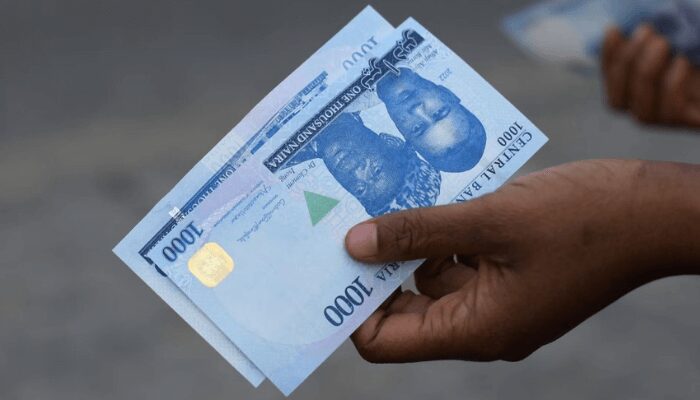
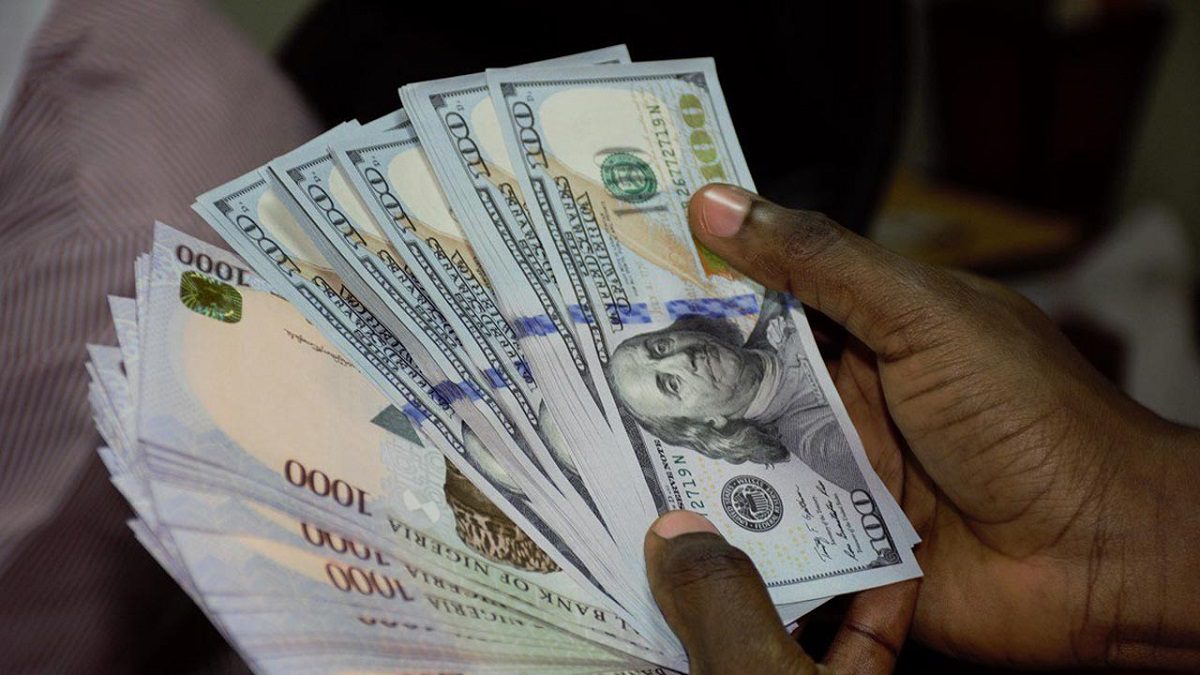
February 2026: Black Market FX Continues to Batter the Naira

Table of Contents

Toggle
  • Black Market Exchange Rates
  • Root Causes of the Crisis
    • Rising Cost of Living
    • Outlook Remains Uncertain

Black Market Exchange Rates

Dollar to Naira (USD/NGN):
Buying – ₦1,378 | Selling – ₦1,440

Euro to Naira (EUR/NGN):
Buying – ₦1,640 | Selling – ₦1,680

Pound to Naira (GBP/NGN):
Buying – ₦1,900| Selling – ₦1940

These rates reflect continued pressure on the Naira, with traders citing persistent scarcity of foreign exchange and rising demand from importers, travelers, and businesses struggling to operate under unstable conditions.

Root Causes of the Crisis

Nigeria’s foreign exchange troubles are the result of long-standing structural issues rather than sudden market shocks.

One major factor is interest rate policy. While many economies attract foreign capital with predictable and competitive returns, Nigeria’s inconsistent policy direction has discouraged investor confidence.

Another challenge is the country’s trade imbalance. Nigeria remains heavily dependent on imports, ranging from basic consumer goods to industrial equipment, while export capacity remains weak. This imbalance continues to drain foreign exchange reserves and exert pressure on the Naira.

Foreign Direct Investment (FDI) has also declined. Investors remain cautious due to insecurity, poor infrastructure, and economic uncertainty, reducing the inflow of much-needed foreign capital.

At the policy level, frequent changes in Central Bank of Nigeria (CBN) foreign exchange regulations have added to market confusion. Sudden restrictions, policy reversals, and inconsistent forex allocation mechanisms have left businesses uncertain and worsened reliance on the black market.

Global factors such as oil price volatility, inflation, and international economic tensions have further compounded the problem. However, analysts note that these external pressures only intensified an already fragile system.

Rising Cost of Living

For ordinary Nigerians, the weakening Naira is more than an economic statistic. Rising exchange rates have translated directly into higher prices for food, transportation, school fees, rent, and healthcare. Many households are struggling to keep up as purchasing power continues to decline.

Despite the visible strain on citizens and businesses, government responses have been widely criticized as slow and insufficient, with officials often downplaying the severity of the crisis.

Outlook Remains Uncertain

As February progresses, there is little indication that relief is imminent. Nigeria’s foreign exchange market remains under severe stress, and without consistent policy direction, improved exports, and restored investor confidence, the Naira may continue its slide.

For now, the black market remains the clearest reflection of economic reality—one that millions of Nigerians confront daily as the cost of living climbs and stability remains elusive.

Tags: BusinesscbnDollarfederal characterFinanceNews
Share234SendTweet146
Eriki Joan Ugunushe

Eriki Joan Ugunushe

Eriki Joan Ugunushe is a dedicated news writer and an aspiring entertainment and media lawyer. Graduated from the University of Ibadan, she combines her legal acumen with a passion for writing to craft compelling news stories.Eriki's commitment to effective communication shines through her participation in the Jobberman soft skills training, where she honed her abilities to overcome communication barriers, embrace the email culture, and provide and receive constructive feedback. She has also nurtured her creativity skills, understanding how creativity fosters critical thinking—a valuable asset in both writing and law.

Related Stories

A Quiet Shift? US Bishops Are Rethinking How They Talk About LGBTQ+ Catholics

A Quiet Shift? US Bishops Are Rethinking How They Talk About LGBTQ+ Catholics

bySomto Nwanolue
0

For years, the official stance of Catholic bishops on LGBTQ+ issues has been predictable. Documents from the Vatican, the US Conference of Catholic Bishops, and individual bishops have...

A New Bill Would Let SNAP Recipients Buy Hot Chicken — And It's Causing a Stir

A New Bill Would Let SNAP Recipients Buy Hot Chicken — And It’s Causing a Stir

bySomto Nwanolue
0

For millions of Americans, a hot rotisserie chicken is a cheap, easy, and nutritious meal. For millions of SNAP recipients, it has been off-limits. However, a bipartisan group...

Family Betrayal, Not Women Caused Rift — Peter Okoye Speaks On P-Square Crisis

Family Betrayal, Not Women Caused Rift — Peter Okoye Speaks On P-Square Crisis

byAyobami Owolabi
0

Nigerian singer Peter Okoye, popularly known as Mr P, has dismissed claims that women are responsible for the renewed crisis within the Okoye family, insisting that the issues...

Setback To Uber: Maryland Lawmakers Didn't Authorize Driverless Cars

Setback To Uber: Maryland Lawmakers Didn’t Authorize Driverless Cars

byEriki Joan Ugunushe
0

In a major blow to the expansion of autonomous transit on the East Coast, the Maryland General Assembly concluded its session without passing legislation to authorize fully driverless...

Next Post
Arteta Reflects on Arsenal's Up And Down Form After Wolves' Comeback to Spoil Title Bid

Arteta Reflects on Arsenal's Up And Down Form After Wolves' Comeback to Spoil Title Bid

Leave a Reply Cancel reply

Your email address will not be published. Required fields are marked *

We bring to you precise and factual news

Recent Posts

  • Justice Department Drops Powell Probe to Secure Trump’s Fed Pick
  • Trump Wants Americans to Bankroll an Autocracy — Here’s Which Country
  • Trump Ends Maryland’s Federal Monopoly to Exile ‘Deep State’ Scientists

Categories

  • Business & Finance
  • Entertainment
  • Fashion & Lifestyle
  • Food & Nutrition
  • Government
  • Health
  • News
  • Politics
  • Sports
  • Tech

Weekly Newsletter

  • About
  • Advertise With Us
  • Cookie Policy

Copyright © FederalCharacter.com 2026 .

Welcome Back!

Login to your account below

Forgotten Password?

Retrieve your password

Please enter your username or email address to reset your password.

Log In
No Result
View All Result
  • Home
  • News
  • Entertainment
  • Tech
  • Fashion & Lifestyle
  • Food & Nutrition
  • Health

Copyright © FederalCharacter.com 2026 .