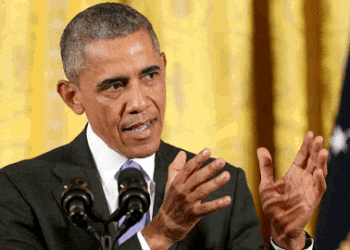

A federal judge has issued a decision regarding President Trump’s controversial executive order aimed at overhauling the country’s election system.
U.S. District Judge Indira Talwani ruled on Thursday that she will allow legal challenges against the Trump voting order to move forward, but only for issues directly impacting the upcoming November 3, 2026 election.
While the decision is a partial victory for voting rights groups and Democratic states, the judge also handed a temporary shield to the administration by refusing to rule on how the executive order might impact elections further down the road.
What Is the Trump Voting Order?
Signed back in March, President Trump’s executive order seeks to fundamentally reshape how federal elections operate. The administration argues these measures are necessary to combat potential voter fraud, despite a lack of evidence showing widespread issues in past elections.
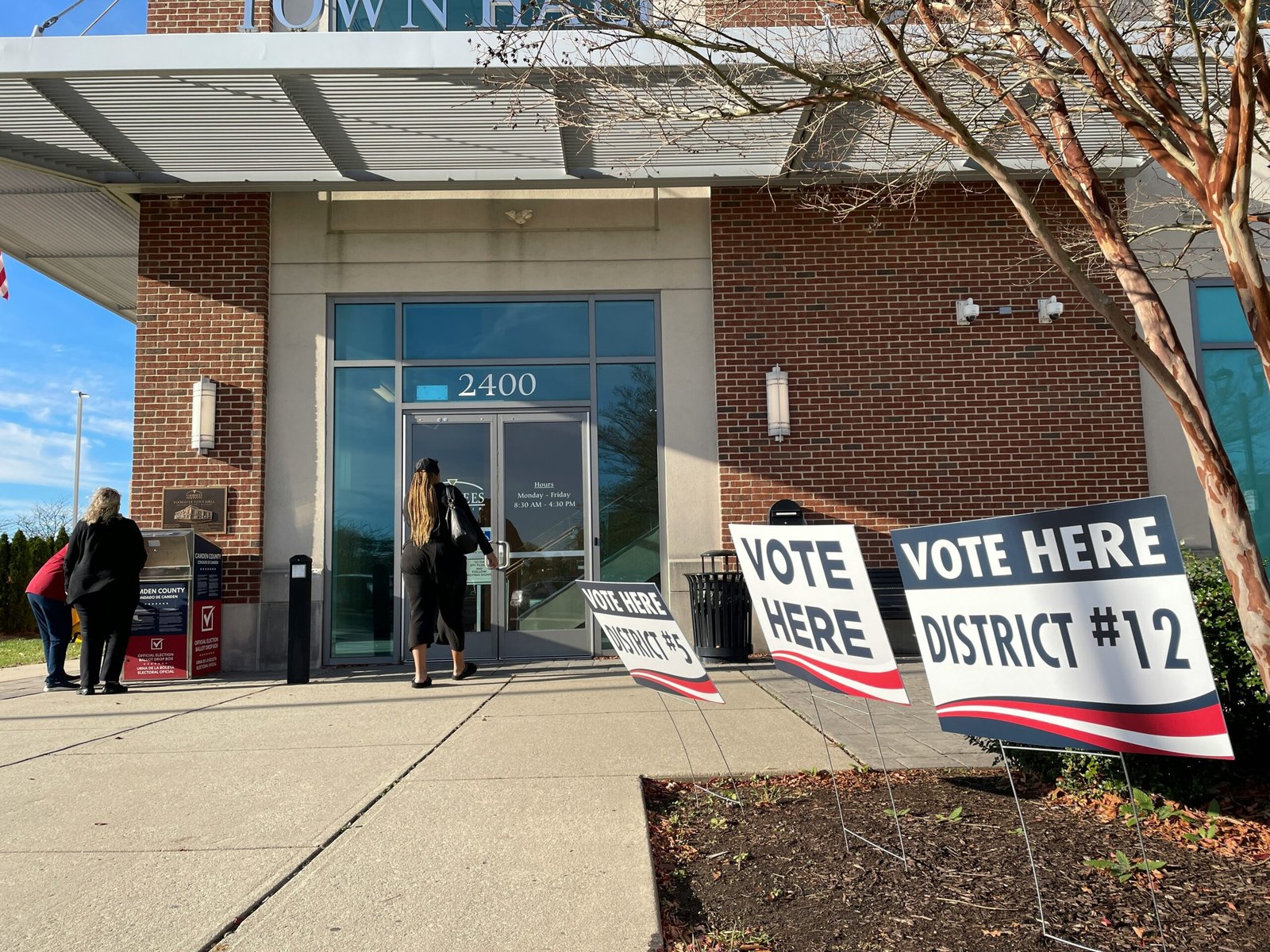
The executive order outlines several sweeping changes:
1. Mail-In Voting Restrictions: The order bars the U.S. Postal Service (USPS) from delivering mail-in ballots to anyone whose citizenship cannot be verified.
2. Citizenship Databases: It commands Homeland Security Secretary Markwayne Mullin and the Social Security Administration to build a comprehensive list of verified U.S. citizens eligible to vote.
3. Aggressive Prosecutions: It directs the Attorney General to prioritize the criminal investigation of anyone suspected of mailing ballots to ineligible voters.
Why the Judge Kept the Clock Ticking for the 2026 Midterms
The Trump administration had initially tried to get the lawsuits thrown out entirely, arguing that the legal challenges were premature. However, Judge Talwani—an Obama appointee- rejected that logic for the immediate future.
In her 17-page decision, Talwani emphasized that because primary elections are already happening and the 2026 midterms are rapidly approaching, delaying a judicial review would cause “significant hardship” to voters and states trying to adapt.
However, she also noted that it is still too early to tell exactly how federal agencies will roll out these policies in the long term. Because of those “many uncertainties,” she limited the scope of the current lawsuits strictly to the upcoming November vote.
Reacting to the news, a spokesperson for California Attorney General Rob Bonta, who is leading the multi-state coalition against the order, stated:
”We are pleased that the Trump Administration’s attempt to dismiss our lawsuit as premature was rejected… We remain confident that the law is on our side.”
Meanwhile, the White House stood firmly behind the policy. White House spokesperson Abigail Jackson countered that “election security is common sense,” adding that millions of Americans voted for Trump precisely to see these kinds of measures put in place.
My Opinion
While protecting the integrity of the elections is a goal everyone should share, this specific Trump voting order feels like a security upgrade and a deliberate attempt to distort the flow of American democracy right before an election.
The Constitution explicitly gives states the power to run their own elections. By forcing the USPS and federal agencies to interfere with ballot distribution, the executive order overrides local control and forces states to spend immense time and resources to comply. With only five months left until the 2026 midterms, forcing local election boards to rewrite their rules is a recipe for absolute chaos at the polls.
America also has to look at the blatant irony here: President Trump himself has frequently used mail-in voting to cast his own ballots, most recently in Florida. Restricting this safe, secure, and widely used method for ordinary citizens, especially military members overseas, the elderly, and rural voters, risks disenfranchising millions of perfectly eligible American voters.
Judge Talwani made the right call by recognizing the urgency of this moment. The courts must halt these heavy-handed mail-in voting restrictions before they cause irreversible damage to the 2026 democratic process.
What Happens Next?
Thursday’s ruling simply means the case survives to fight another day.
Civil rights organizations, including the ACLU, are now shifting their focus toward securing a preliminary injunction, a legal mechanism that would temporarily pause the Trump voting order from taking effect while the full trial plays out.
With another similar challenge currently sitting in a federal appeals court after being dismissed in Washington, D.C. last month, the rules of engagement for how Americans vote in 2026 are likely to remain up in the air until the very last minute.