Florida and Texas are taking steps to reduce or end the use of Flock surveillance technology as concerns grow over privacy, misuse of police data and the expanding capabilities of the company’s tracking systems.
Florida’s Department of Transportation announced on Monday that it would discontinue the use of automated licence plate readers on state highways, including cameras operated by Flock. The department cited what it described as “concerning reports of misuse, data privacy concerns, and surveillance schemes.”
The state has given itself 30 days to remove the cameras.
The decision followed comments by Florida Governor Ron DeSantis, who described the use of licence plate-reading technology as “out of control” during a press conference last Wednesday.
Texas took similar action the previous week after Governor Greg Abbott’s office instructed state agencies to stop using public funds to support Flock cameras.
Abbott’s office pointed to allegations of misuse of the surveillance system, including the case of a police officer in Lufkin, Texas, who was recently indicted on 100 felony counts. The officer is accused of improperly accessing Flock’s database to monitor individuals without authorisation.
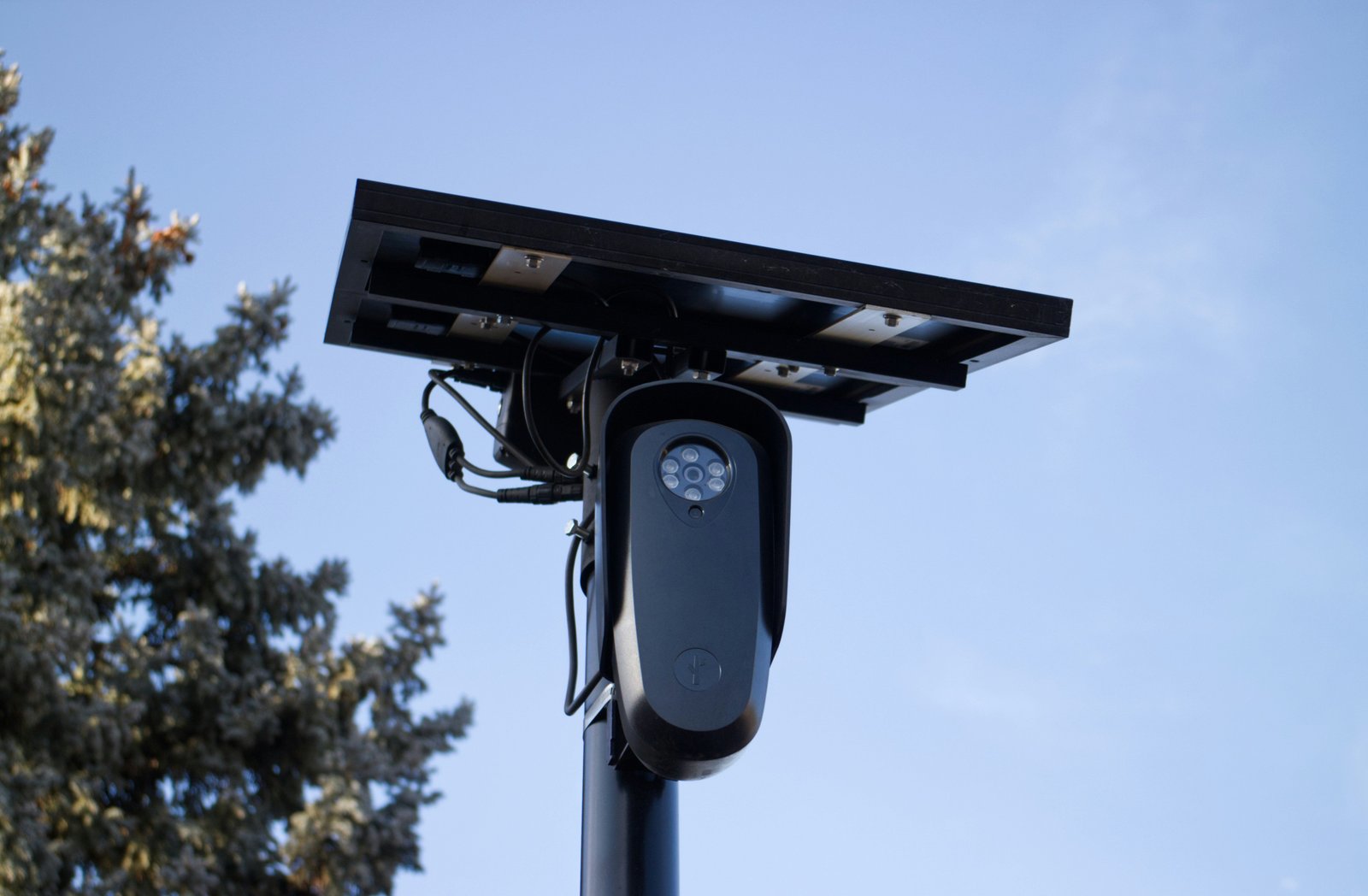
The governor’s office did not specify how many state agencies would be affected by the directive. However, local reports indicate that Dallas could face a significant impact because hundreds of Flock cameras are reportedly installed across the city.
The moves by the two states come as scrutiny of Flock grows across political lines, with privacy and civil liberties advocates questioning how the company’s technology is being used and how long collected data can be accessed.
Flock has faced criticism following reports of cybersecurity vulnerabilities and allegations that some police officers have misused the system to monitor former romantic partners.
There have also been concerns about the accuracy of the technology, with critics pointing to cases in which surveillance information contributed to police stops and arrests that were later found to be mistaken.
The technology is also expanding beyond its original focus on identifying vehicle licence plates. Recent reports indicate that Flock is developing systems capable of detecting and tracking people as well.
Flock currently operates approximately 130,000 licence plate readers across the United States, making its technology a significant part of the country’s expanding automated surveillance network.
The company has also faced resistance from communities that oppose surveillance cameras being installed in their neighbourhoods.
Officials and residents in several cities, including Evanston, Illinois; Cambridge, Massachusetts; and Eugene, Oregon, have reported disputes over Flock equipment. In some cases, local authorities had ended contracts with the company but later reported that cameras had been reinstalled or reactivated.
The growing backlash has placed Flock under increasing pressure as governments and communities debate the balance between using surveillance technology for public safety and protecting residents’ privacy and civil liberties.