
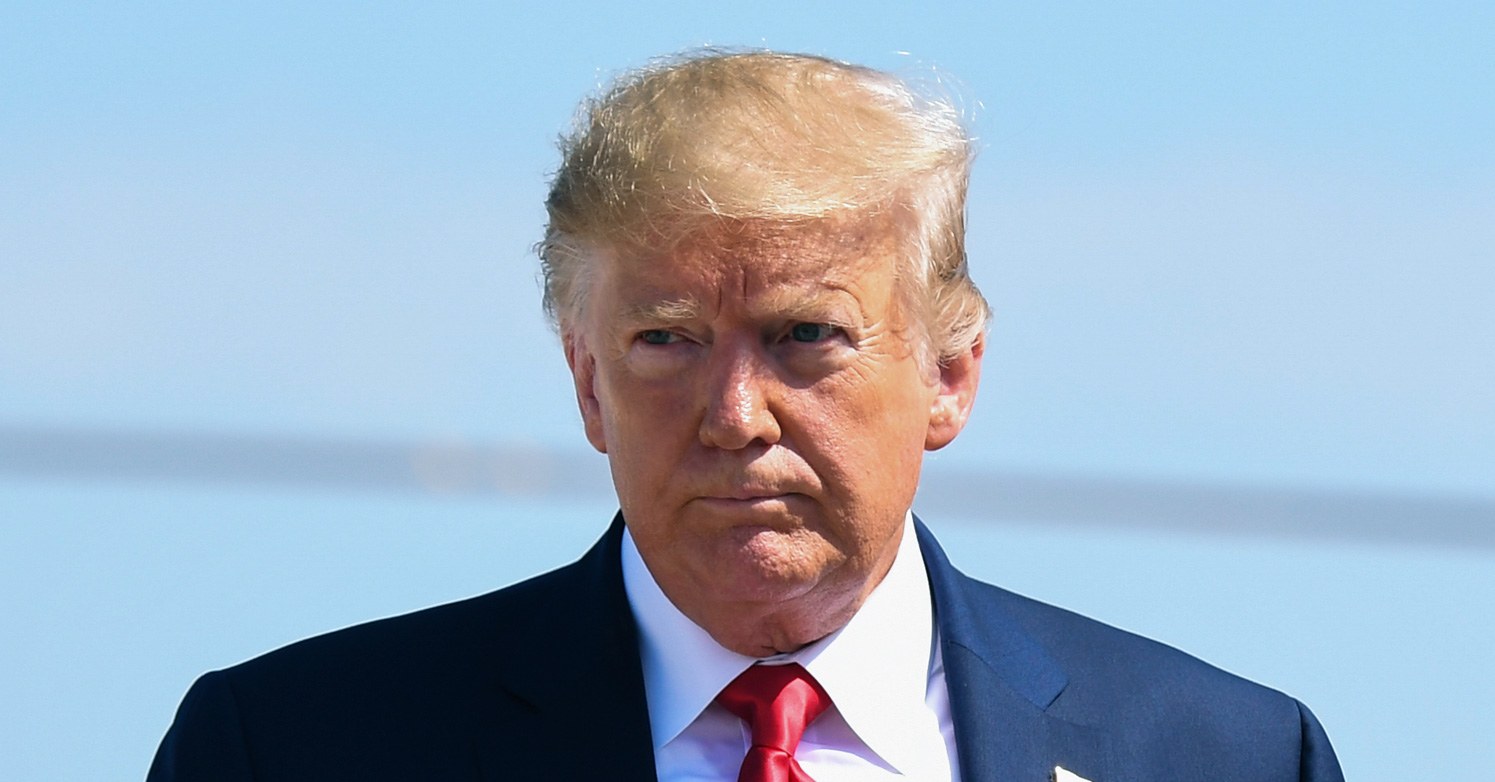
President Donald Trump’s insulting rhetoric labeling Somali immigrants “garbage” has cleaved the nation’s capital into three distinct camps: roaring cheers from his inner administration, a deafening silence from congressional Republicans, and profound alarm from critics who warn this marks a dangerous new normalization of racist speech from the highest office.
During a televised cabinet meeting where he called for sending migrants “back to where they came from,” Trump’s remarks were met with Vice President JD Vance banging the table in approval and press secretary Karoline Leavitter hailing it as an “amazing… epic moment.” The starkly different reaction from his first-term “shithole countries” controversy—which drew bipartisan rebuke—underscores how Trump’s racial views are now not only tolerated but celebrated within his party’s power center, while the rest of the GOP remains mute.

“This time around, Republican members of Congress stayed quiet,” the reports noted, as civil rights advocates sounded the alarm that “racism is no longer a dog whistle.” The White House itself defended the president’s right to highlight problems caused by “radical Somali migrants,” framing the outrage as media theatrics disconnected from the concerns of “Americans who have suffered.”
Why It Matters
Trump’s “garbage” rhetoric is a calculated stress test for the boundaries of acceptable political speech, and the results are in: the boundaries have collapsed. The cheers from within his cabinet and the silence from the broader Republican Party represent a total victory for his brand of inflammatory, dehumanizing politics.
The comparison to the “shithole countries” episode is the most telling barometer of how far American political discourse has shifted. What was once a scandal requiring denial is now a moment of rallying cries for the base. This evolution reveals that for a significant faction, racist rhetoric is not a bug of Trump’s politics—it’s the central feature.
While critics warn of stoking anti-American sentiment and historians cite the very real risks to targeted communities, the administration sees only upside: solidifying support by transforming immigrants into a monolithic political foil. The division in DC isn’t an accident; it’s the entire point. By drawing cheers from some and alarm from others, Trump isn’t describing a divided America—he’s actively manufacturing one