
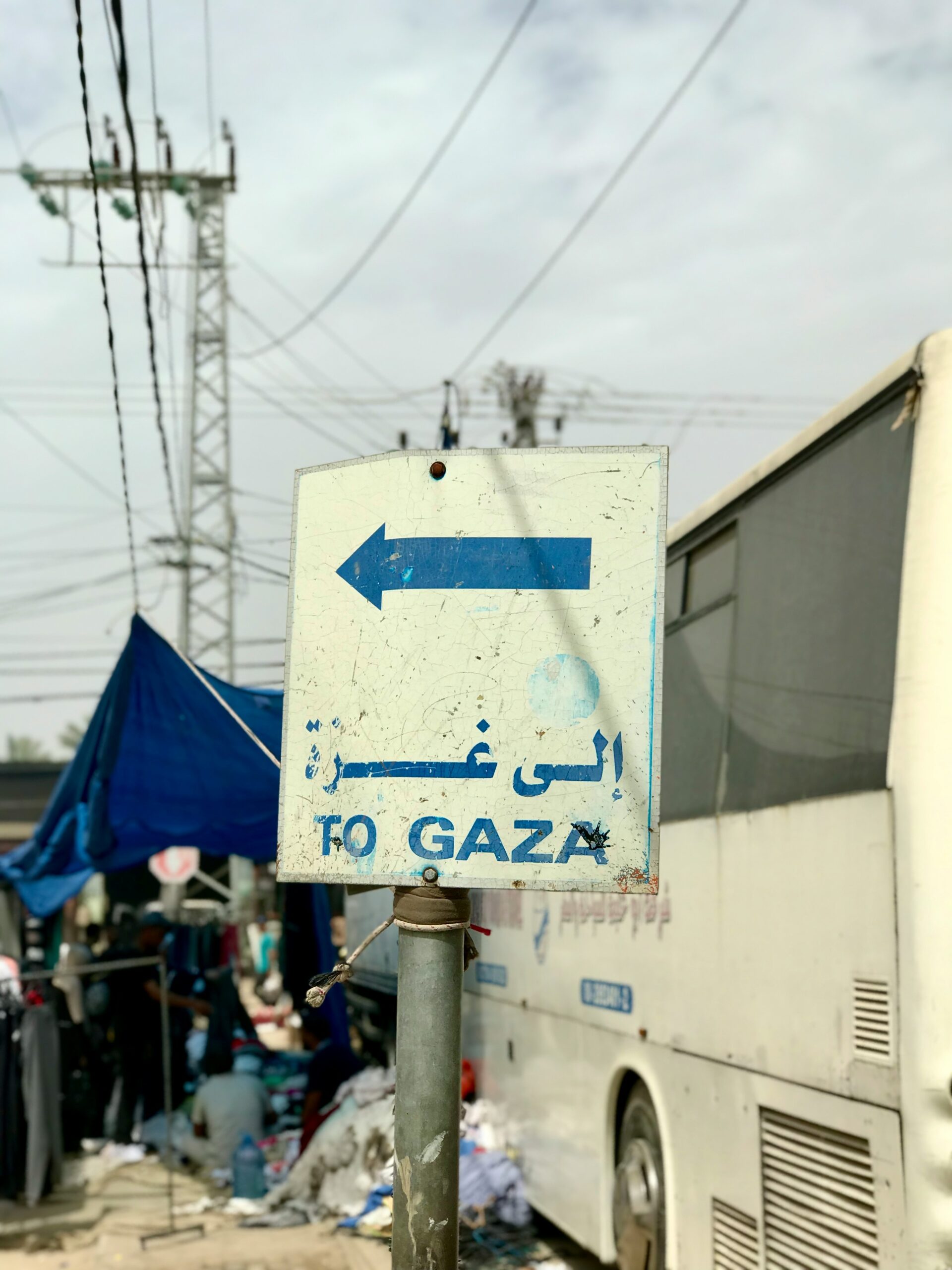
U.S. President Donald Trump has announced that member states of his newly formed Board of Peace will pledge more than $5 billion to support reconstruction and humanitarian efforts in Gaza. The move, part of a plan endorsed by the United Nations, is meant to stabilize the region following a ceasefire between Israel and Hamas last year. But can money alone bring lasting peace to one of the world’s most volatile conflict zones?
Funding and Forces
In a post on Truth Social, Trump said that in addition to the $5 billion pledge, the board’s members have committed thousands of personnel to a UN-authorized stabilization force and local police in Gaza. The first official meeting of the Board of Peace is set for Thursday at the Donald J. Trump Institute of Peace, with delegations from over 20 countries, including several heads of state, expected to attend.
While regional powers such as Turkey, Egypt, Saudi Arabia, Qatar, and Israel are actively participating, traditional Western allies have been cautious, reflecting ongoing skepticism about Trump’s approach to Middle East diplomacy.
Ceasefire Challenges
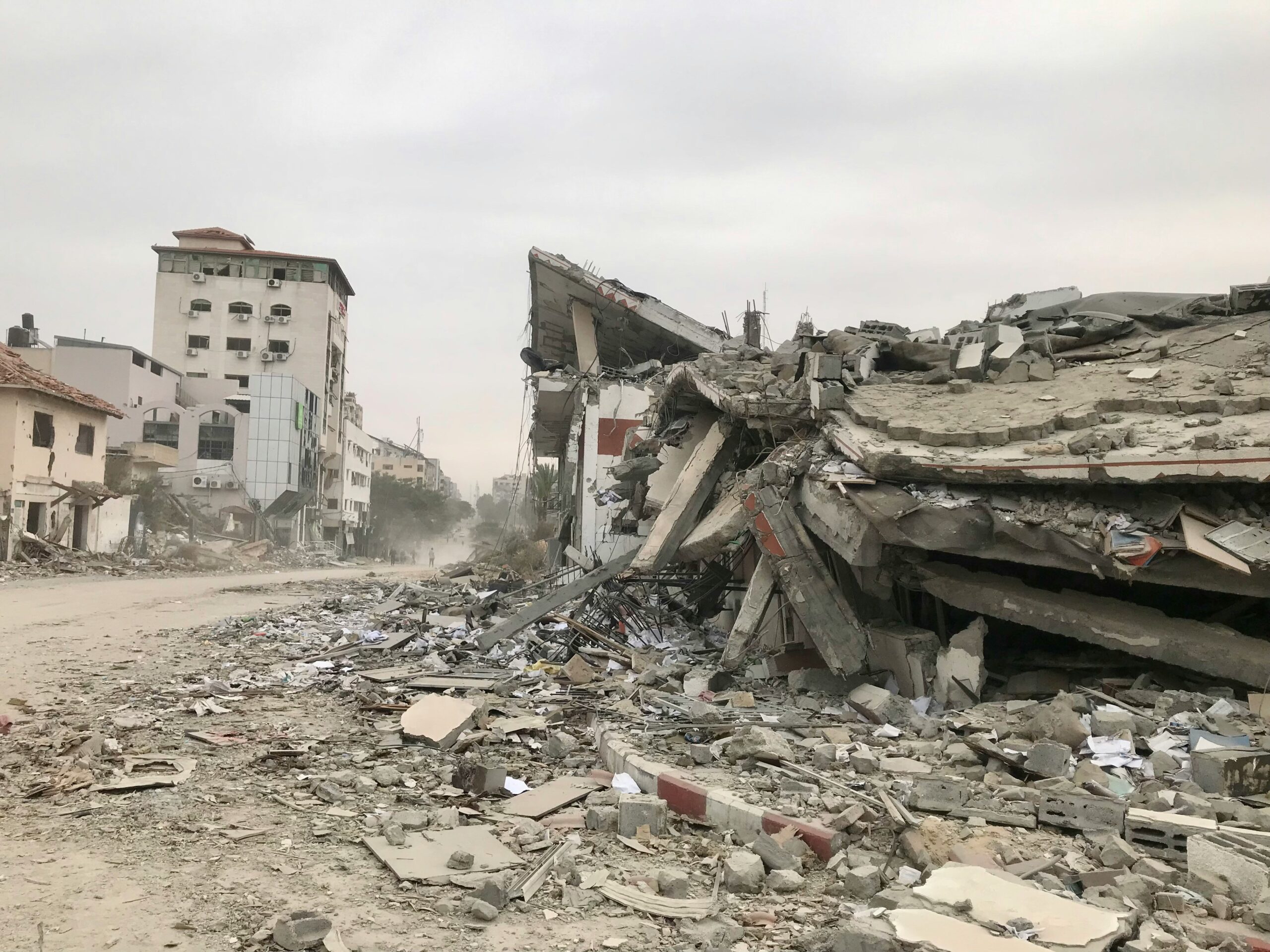
The Trump-backed ceasefire officially took effect in October, yet both Israel and Hamas continue to accuse each other of violations. According to Gaza’s Health Ministry, more than 590 Palestinians have been killed by Israeli forces since the ceasefire began, while Israel reports four soldier deaths from militant attacks.
These statistics underscore the difficulties of achieving stability through financial pledges alone. Critics argue that without trust and enforcement mechanisms, billions of dollars may not prevent further violence.
A Global Gamble
Trump’s plan, endorsed by the UN Security Council, relies on international cooperation to rebuild Gaza while maintaining peace. Emerging nations like Indonesia have joined the initiative, signaling a broad, but cautious, global effort. However, the real test will be whether the pledged funds and personnel can meaningfully address underlying grievances, restore trust between parties, and deter future attacks.
Can $5 Billion Buy Peace?
The announcement raises a fundamental question: can a financial commitment truly secure peace in Gaza, or is it merely a temporary patch over deep-rooted conflicts? With tensions still high and casualties mounting, the world watches to see whether Trump’s Board of Peace can turn pledges into real, lasting impact.
Ultimately, the success of this initiative will depend not on money alone, but on the ability of Israel, Hamas, and international partners to work together toward sustainable peace.